Table of Contents
Main Journey
Crossing Madagascar’s Changing Landscapes
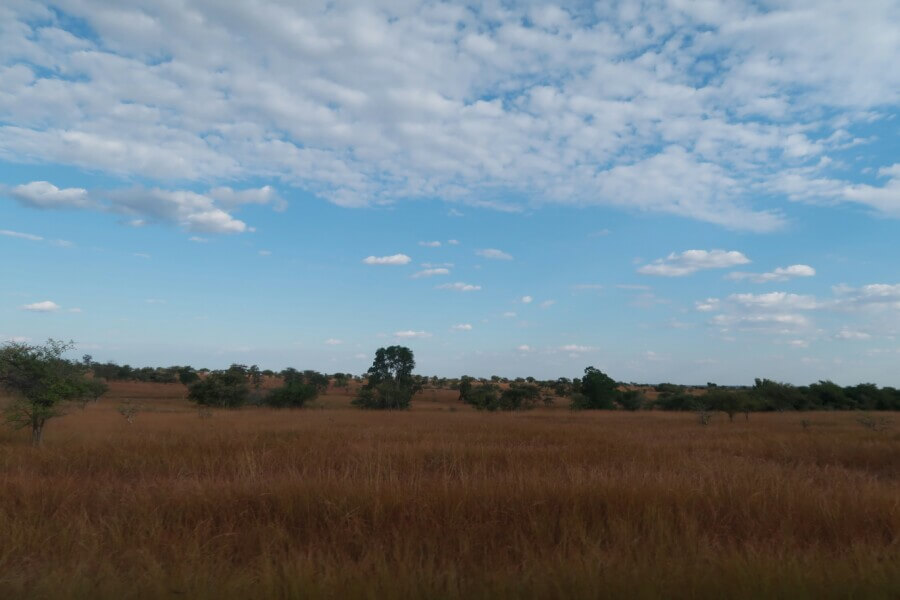
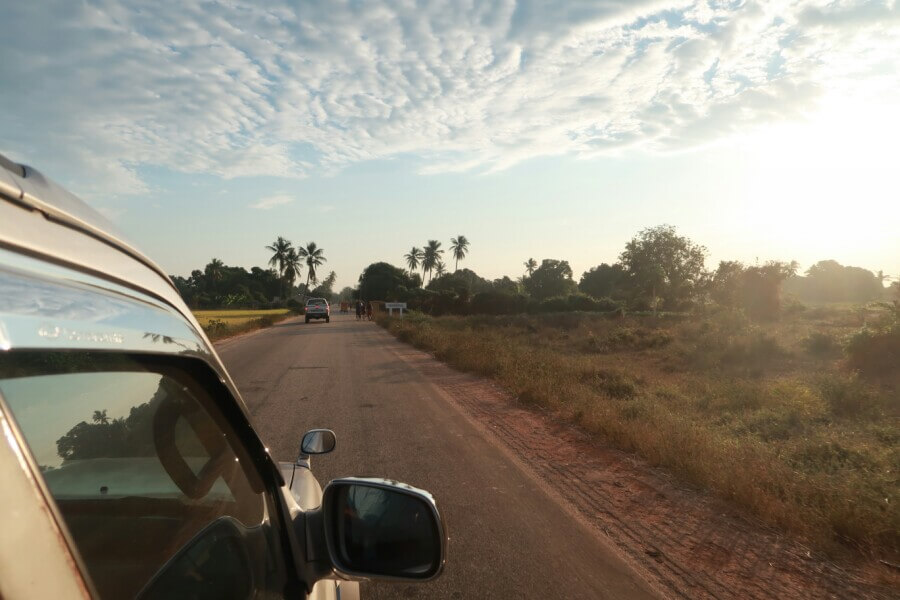
After more than ten hours on the road, we continued westward toward Morondava. The further we traveled, the more the landscape changed.
We had left behind the dry central highlands, where there were barely any trees, and entered a region where vegetation became noticeably thicker. The air felt warmer, and the once barren land was now covered with lush greenery.
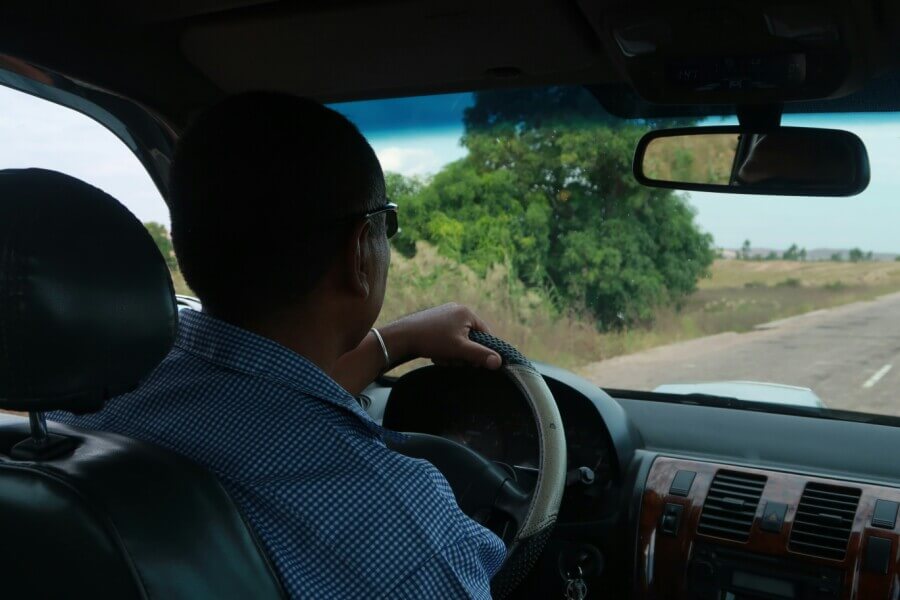
We crossed the Morondava River, which on the map looked close to our final destination. However, Dizzy, our driver, reminded us that we still had about two more hours to go.
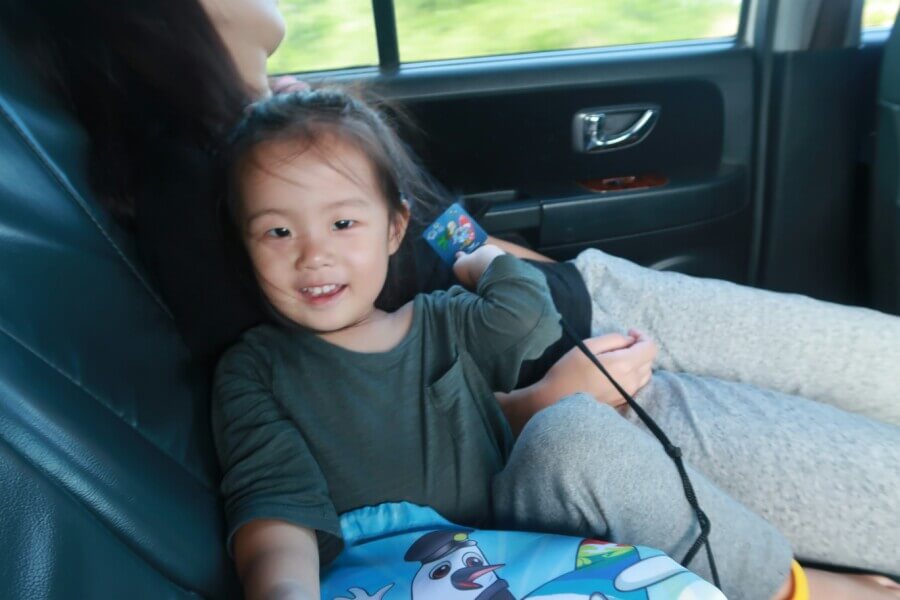
Despite the long journey, Sweetie was still in good spirits, happily playing in the back seat. Renting a car had definitely been the right decision.
First Glimpse of the Baobabs
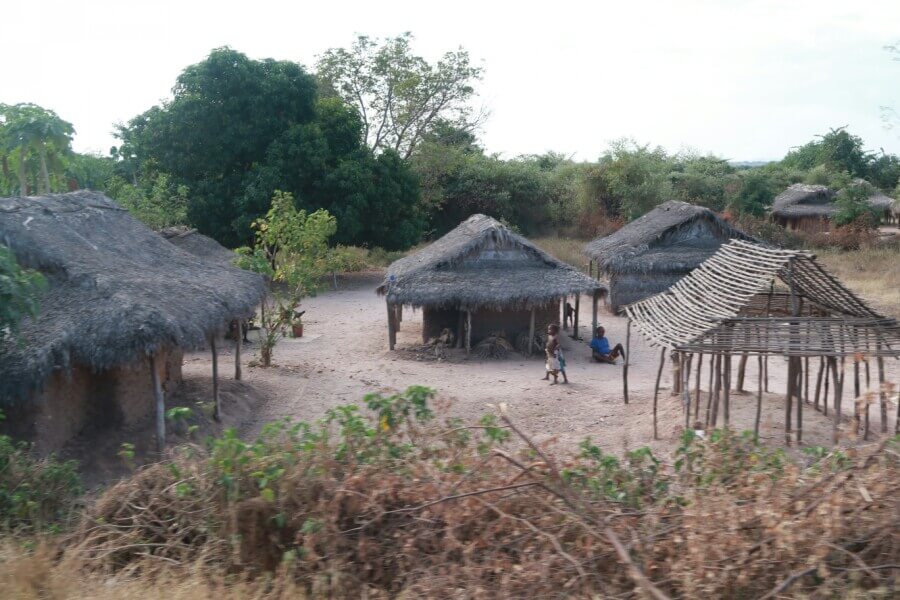
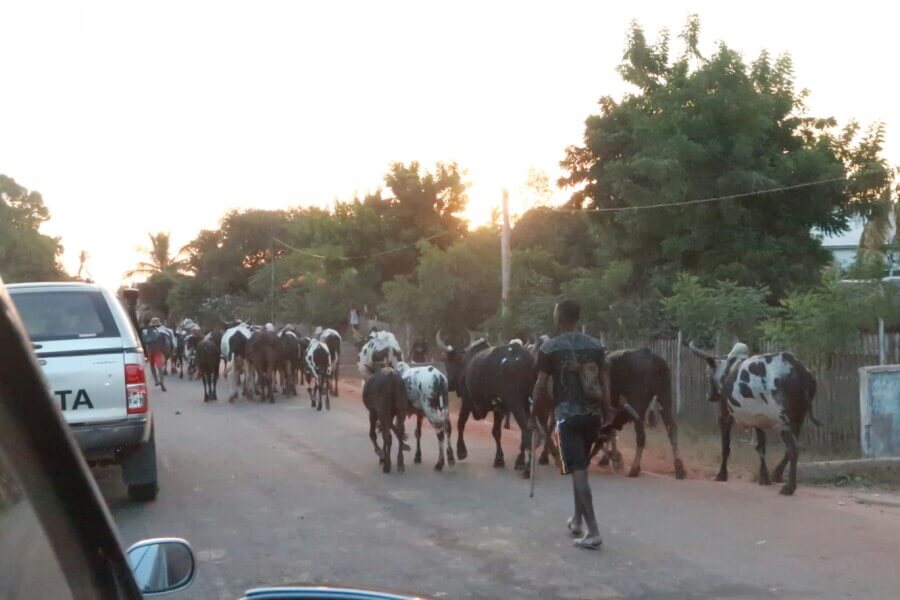
As we drove through small villages, the scenery began to look more like the traditional African countryside we had imagined. The houses were simple, made of mud bricks with thatched roofs, blending into the red earth.
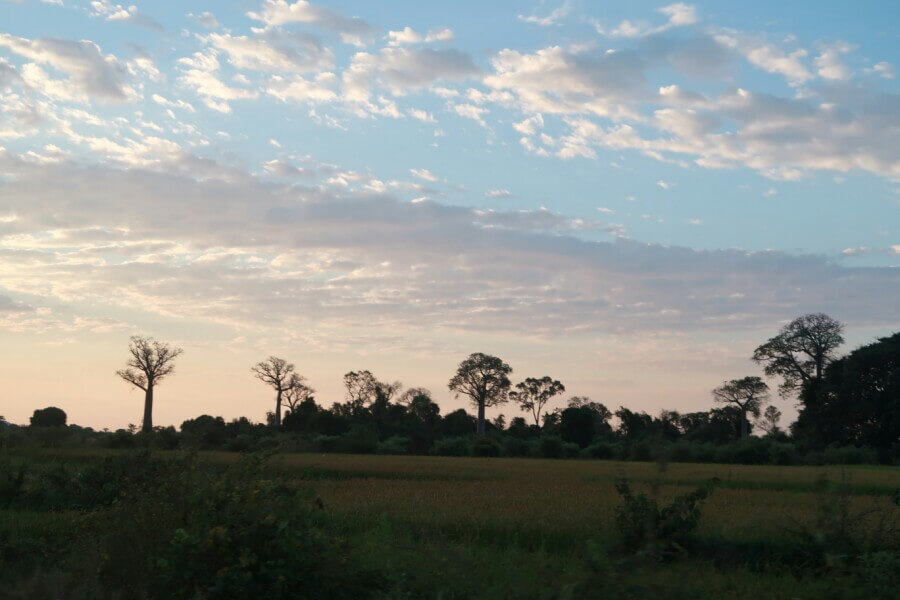
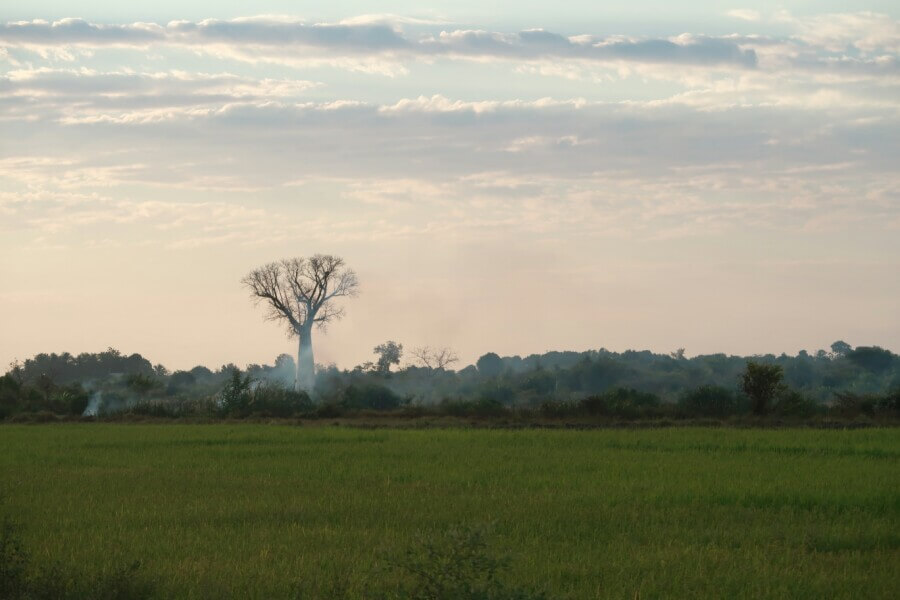
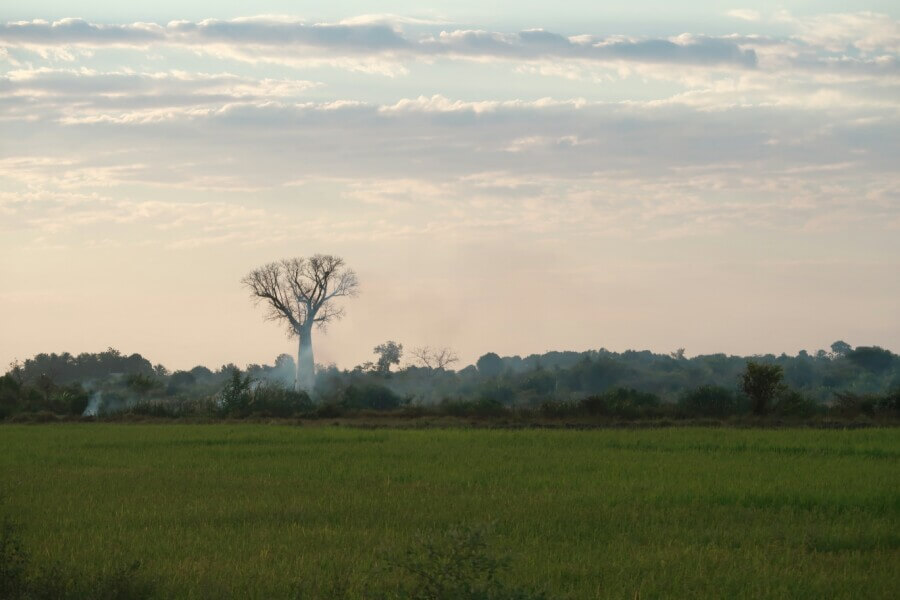
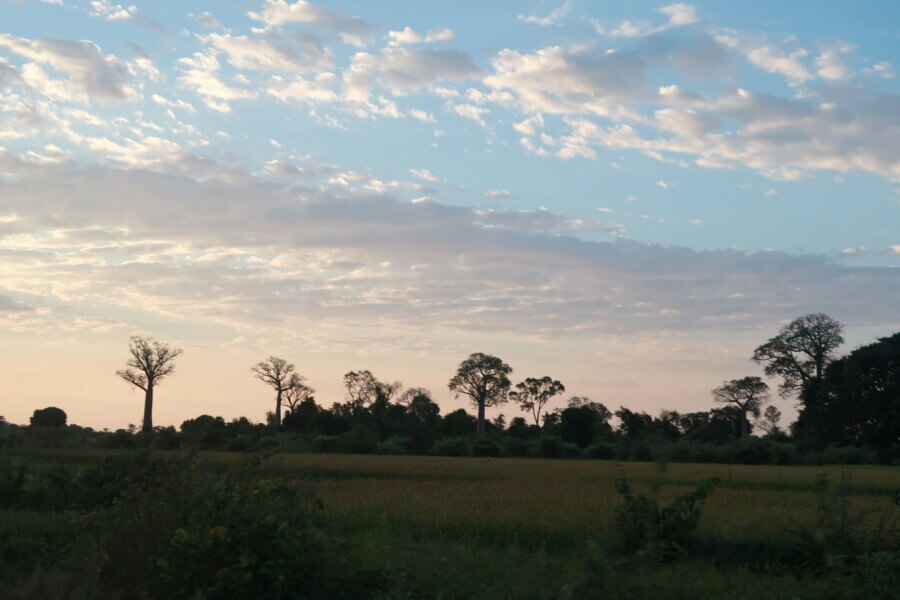
Then, suddenly, we saw our first baobab tree.
Its thick, swollen trunk and branches that resembled roots made it impossible to miss. These legendary trees, often called “the upside-down trees”, looked as if someone had yanked them from the ground and stuck them back in upside down.
Excited, we kept driving, expecting to see just a few more. But soon, there were baobabs everywhere. They weren’t just a few scattered trees—they were a part of the natural ecosystem, thriving in the western climate.
It was nothing like the small baobabs we had seen in botanical gardens back home. These were giants, perfectly at home in their vast landscape.
Events
Arriving in Morondava
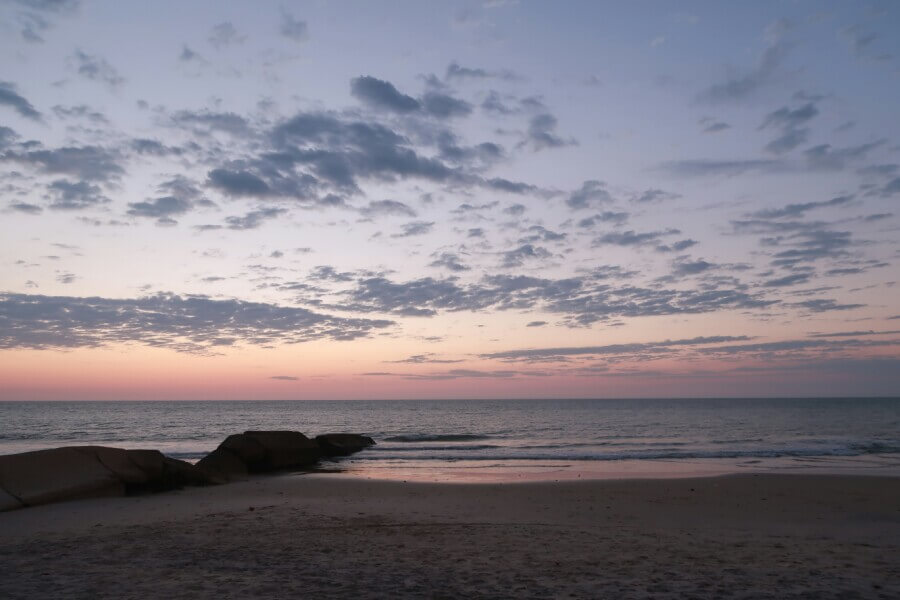
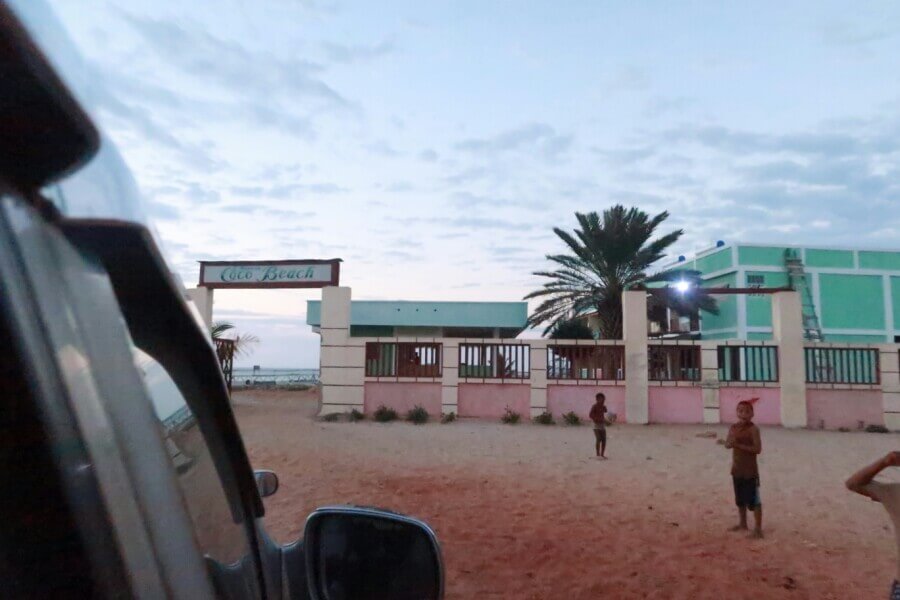
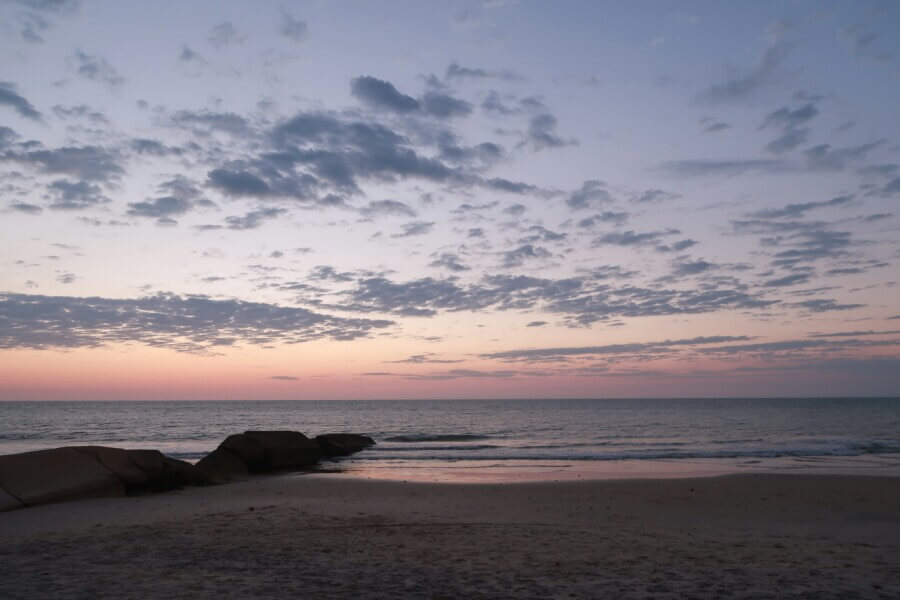
As the sun began to set, we finally reached Morondava city center.
Our accommodation was located right by the beach, offering stunning ocean views. The house was equipped with mosquito nets—a clear reminder that this was a malaria-prone area.
After settling in, we stepped out to explore the beach.
The long hours in the car had left us exhausted, but the sight of the golden sand and the deep blue ocean instantly washed away our fatigue.
To our surprise, the coastal colors reminded us of southern Mauritius.
Baobabs and beaches—Morondava already felt like a place where we could stay much longer than planned.
Tips for Traveling with a Baby
- Long road trips require patience – Frequent breaks help prevent restlessness.
- Motion sickness precautions – Keep a plastic bag handy just in case.
- Malaria precautions – Use mosquito nets and apply repellent before heading out.
- Bring extra snacks – Rural areas have limited food options, so it’s good to have familiar snacks for a baby.
Local Travel Tips
Driving from Antananarivo to Morondava
- The road conditions improve as you get closer to Morondava – The final stretch allows for faster driving.
- Fuel up in major towns – Gas prices increase in remote areas, so it’s best to fill up in Antsirabe or Miandrivazo.
- Expect changing landscapes – The scenery shifts from barren highlands to lush greenery as you move west.
Morondava Essentials
- Mosquito protection is a must – Malaria is a risk, so always sleep under a net.
- The beaches are beautiful – Morondava offers some of Madagascar’s most stunning coastal scenery.
- The baobabs are everywhere – Even before reaching the famous Avenue of the Baobabs, you’ll see hundreds along the way.
Travel Reflections
- The journey was long but worth it – After over 12 hours on the road, we were rewarded with breathtaking scenery.
- The baobabs were more than we imagined – Seeing them in their natural habitat was far more impressive than any pictures we had seen.
- Morondava has an irresistible charm – With its mix of baobabs and beautiful beaches, it’s a place we already want to stay longer.
“We expected to be amazed by the baobabs, but Morondava’s beauty took us by surprise. The journey was exhausting, but as we stood on the beach at sunset, it all felt completely worth it.”
Next up: Exploring the Avenue of the Baobabs at Sunset!



Leave a Reply