
Our Masai Village tour in Kenya with our baby was more sales pitch than cultural exchange. Here’s what really happened and what to expect.
Table of Contents
- Main Journey
- Events
- Tips for Traveling with a Baby
- Local Travel Tips
- Travel Reflections

Main Journey
After a long day out on the safari—from sunrise to 4pm—we returned to our lodge completely worn out, but still curious. We decided to visit a nearby Masai village before the day ended. It felt like a must-do kind of thing. I mean, how often do you get the chance to meet the Masai people in their own community?
The moment we stepped out of the car, a young guy came to greet us. He introduced himself as the son of the village chief, and without wasting a beat, asked us for an entrance fee—$10 per person. He said it would go toward the village’s prosperity. It caught us off guard… But you know, the vibe was that you couldn’t really say no. So we paid and tried to shake off the weird start.
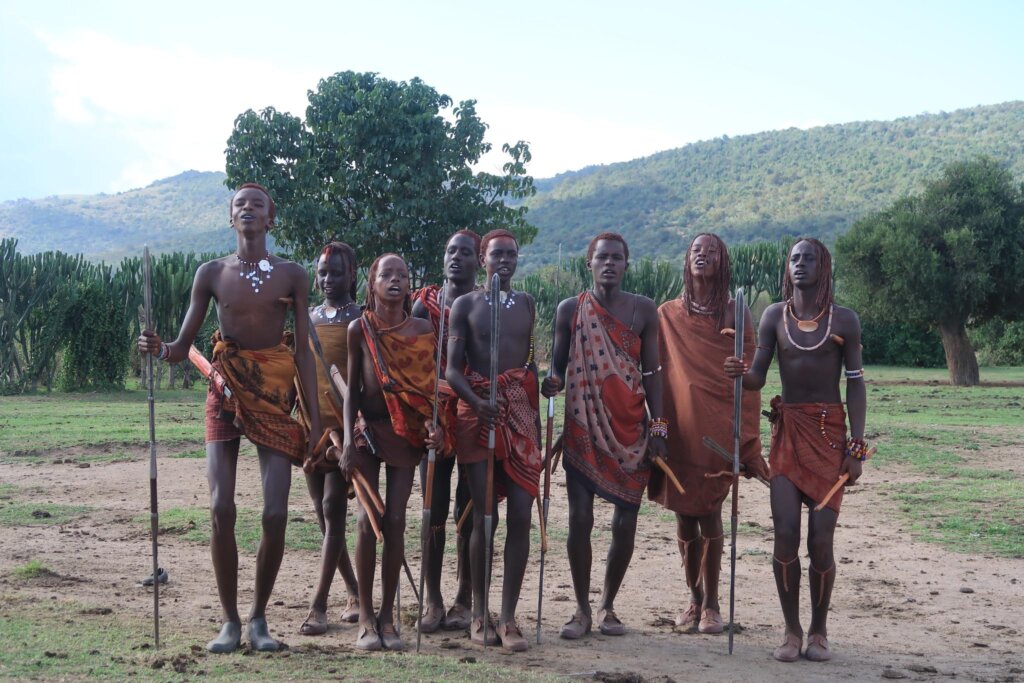
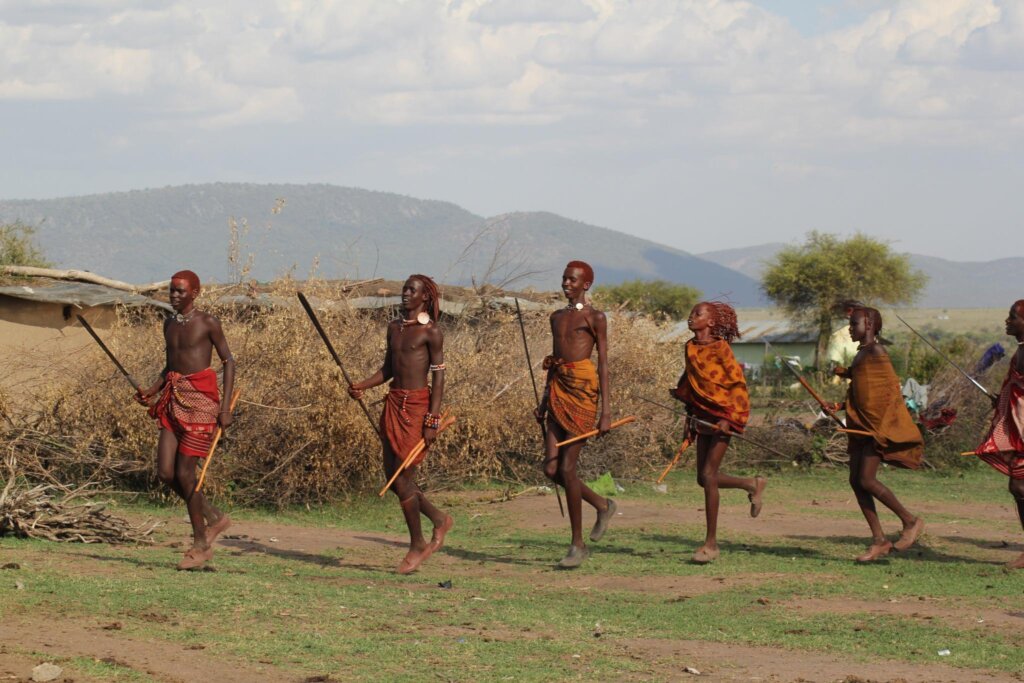
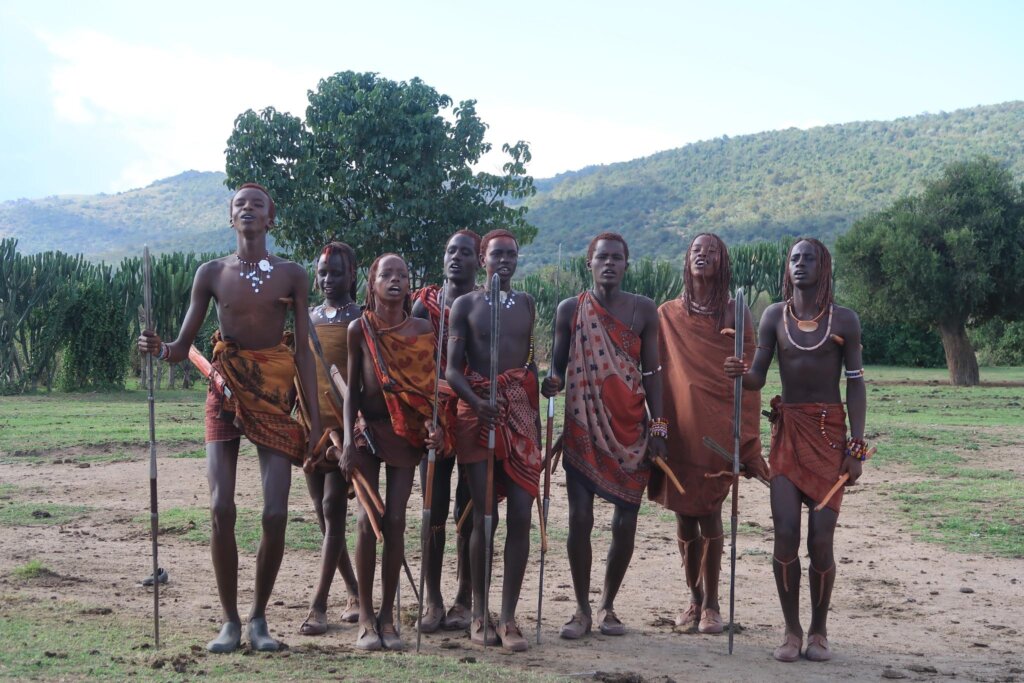
Inside the village, a group of young men dressed in traditional clothes stood waiting for us. They looked excited, even joyful, to welcome us.
They performed what I think was a welcome dance… but honestly, it felt pretty chaotic. Everyone was dancing to their own rhythm, no real coordination, just wild movements and random chants. We smiled politely, trying to feel the moment, but it was tough.
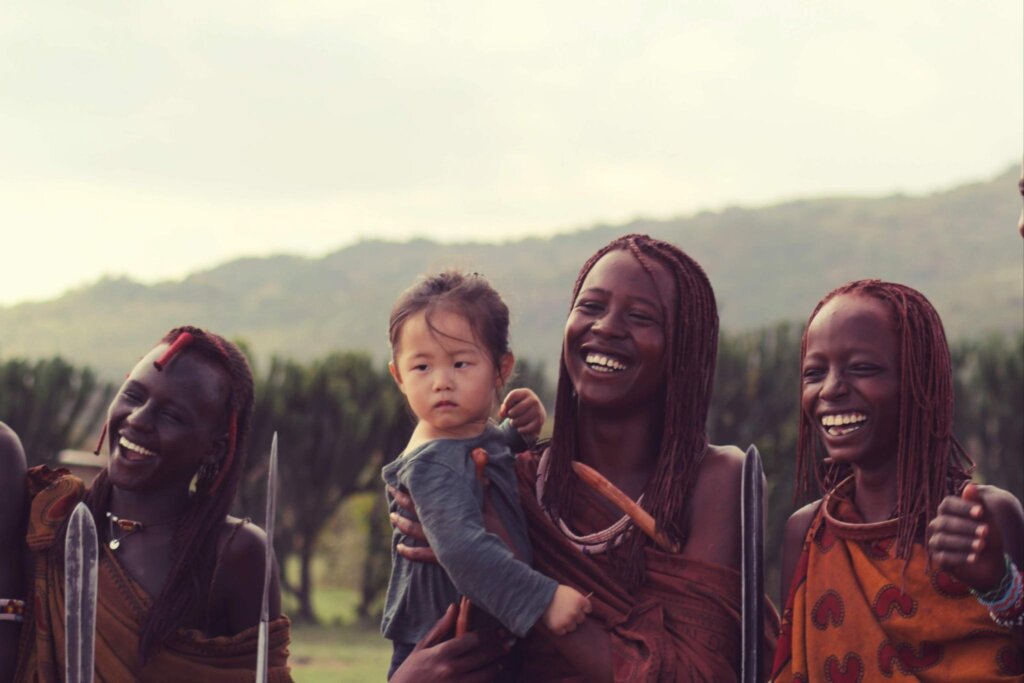
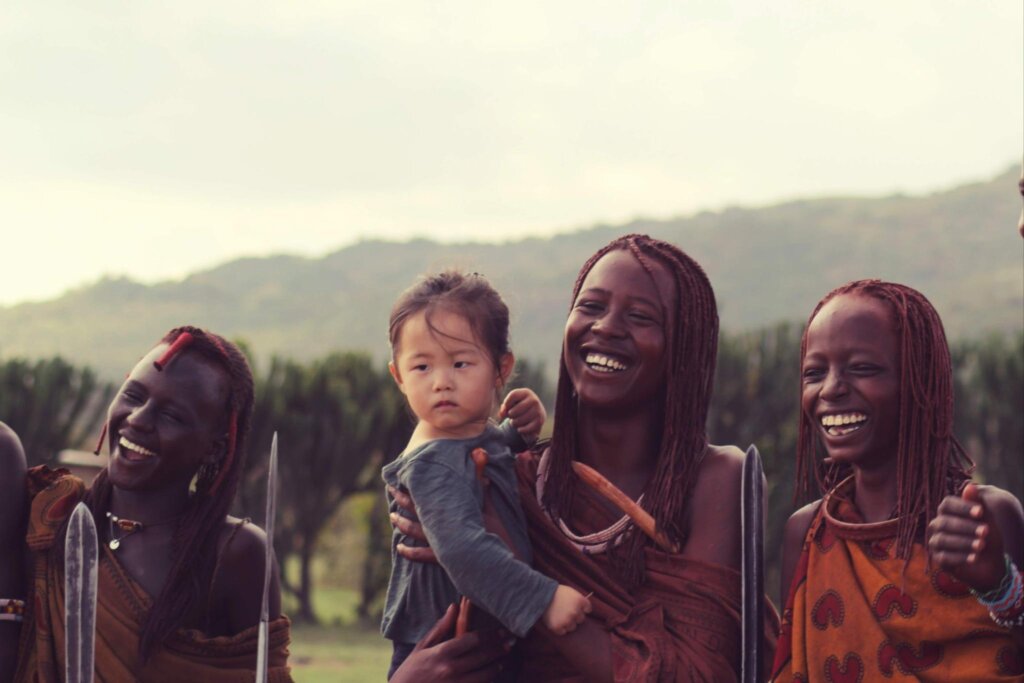
After the “show,” we were allowed to take pictures. Sweetie got a solo shot with the warriors, and her serious face made us laugh so hard later—like she was posing for her first album cover.
Events
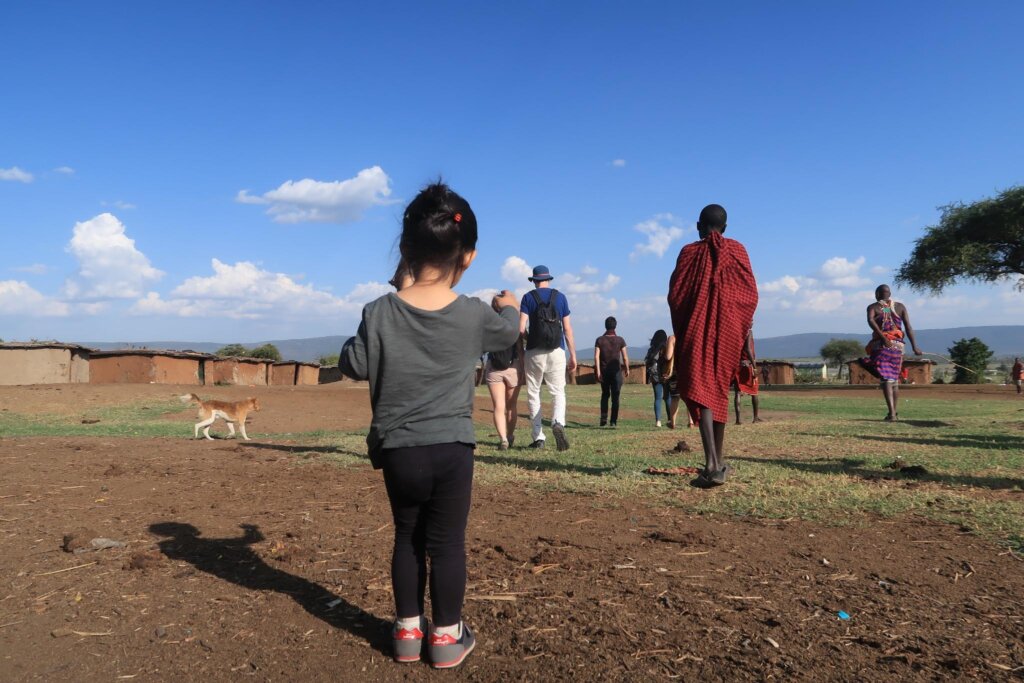
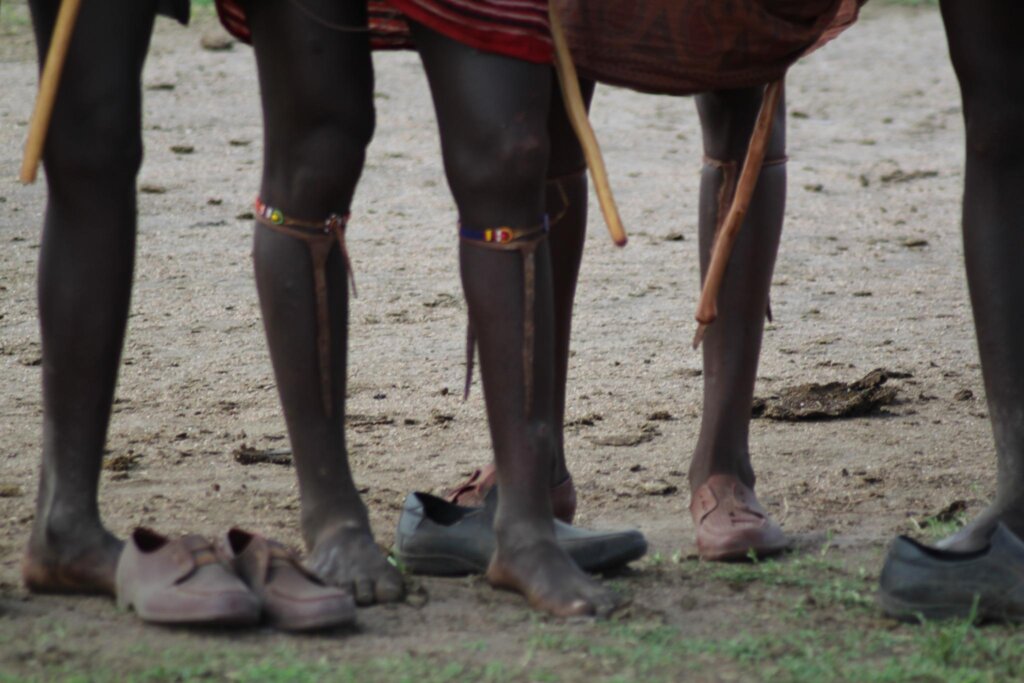
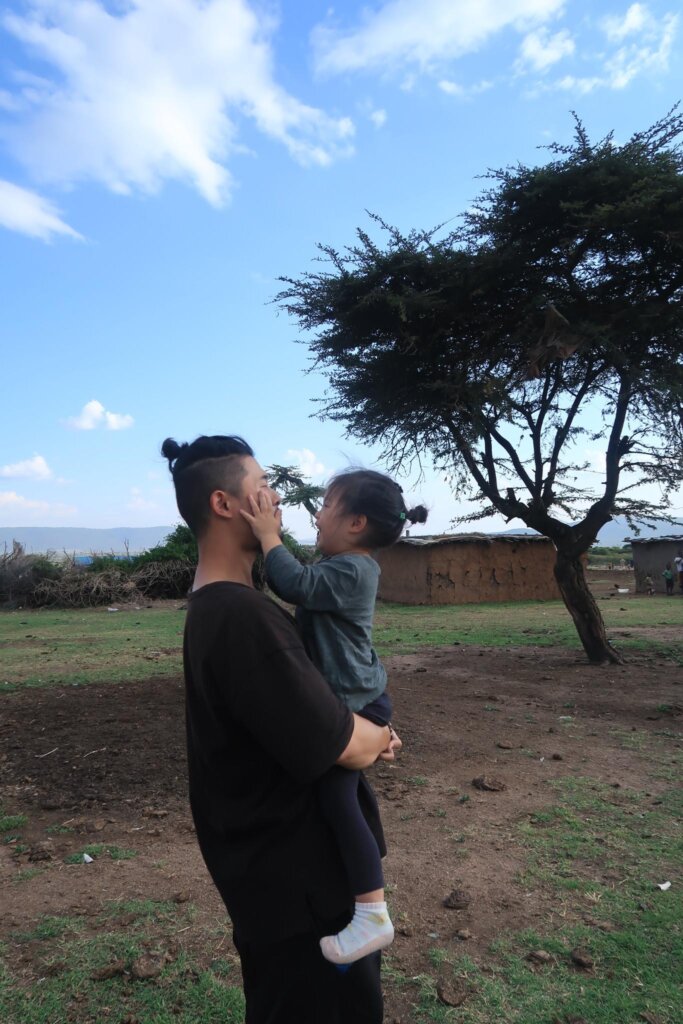
Then came the village tour. According to our guide, around 200 Masai people live there. But right away, Sweetie had a problem: the ground. It was completely covered with cow and goat droppings—everywhere. She was scared to walk, kept saying she was afraid of poop. I had no choice but to carry her through the entire tour.
We were shown a few “features” of the village—like how they use solar-powered flashlights donated by previous tourists, and how a specific tree was used for trimming nails. That was about the only cultural insight we got.
After that, we were split into groups of two and led into different huts.
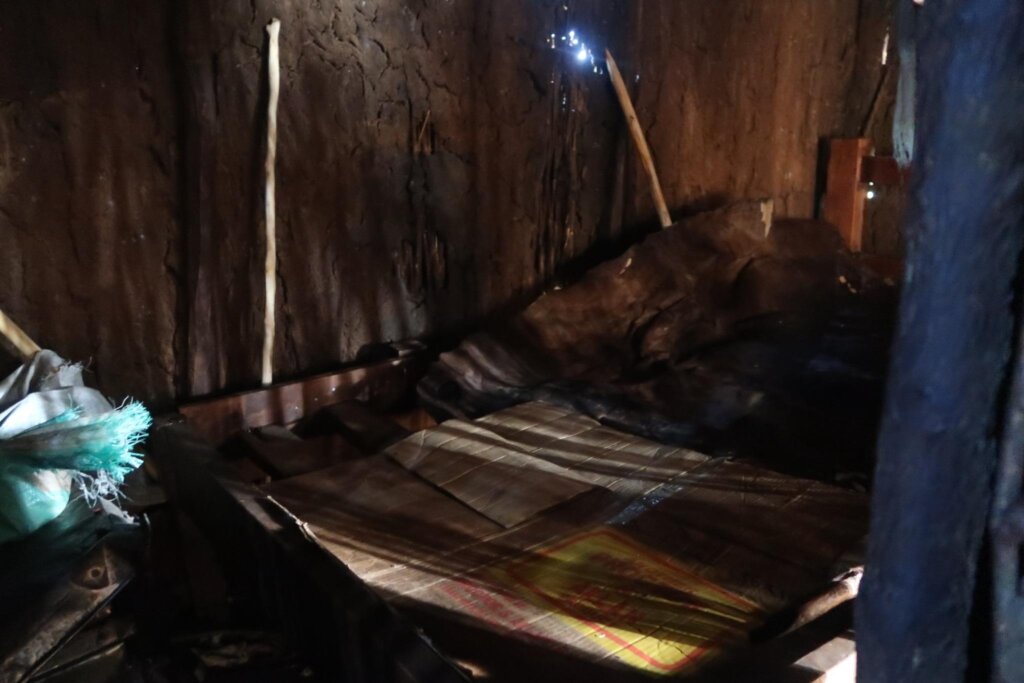
Inside the huts, things were tight and dark. Each hut had three tiny sleeping spaces, a central kitchen, and a corner stall for calves. It felt real. You could see some ashes left in the fire pit, so they definitely live here.
But before we could really observe or ask anything, the sales pitch started.
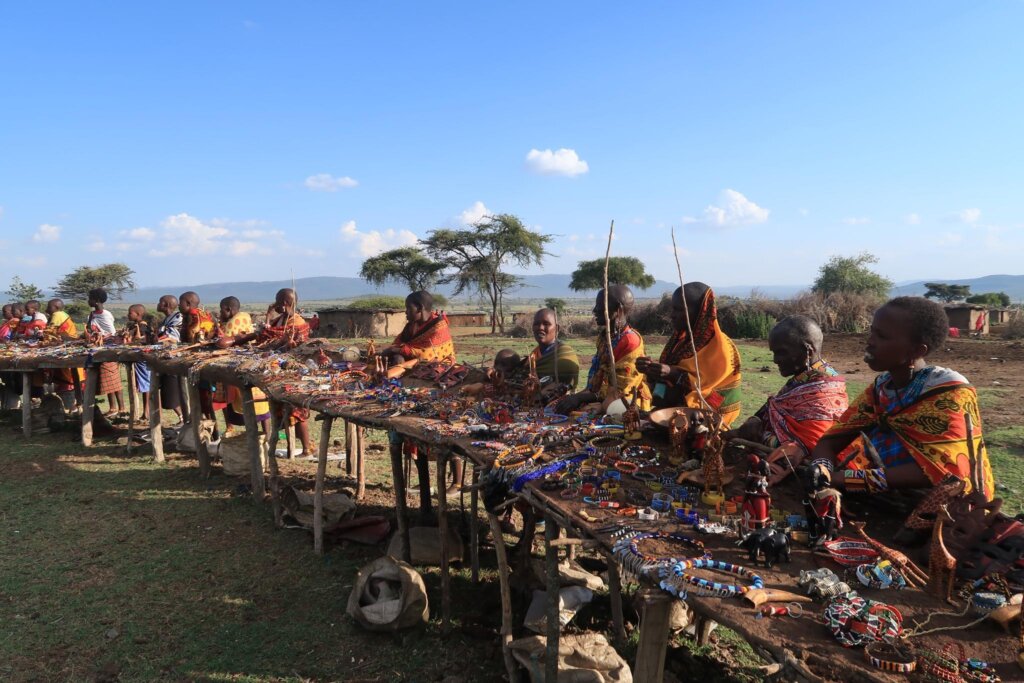
That’s when it clicked. This whole splitting-up tactic? It was so they could pressure us individually into buying jewelry in the dark.
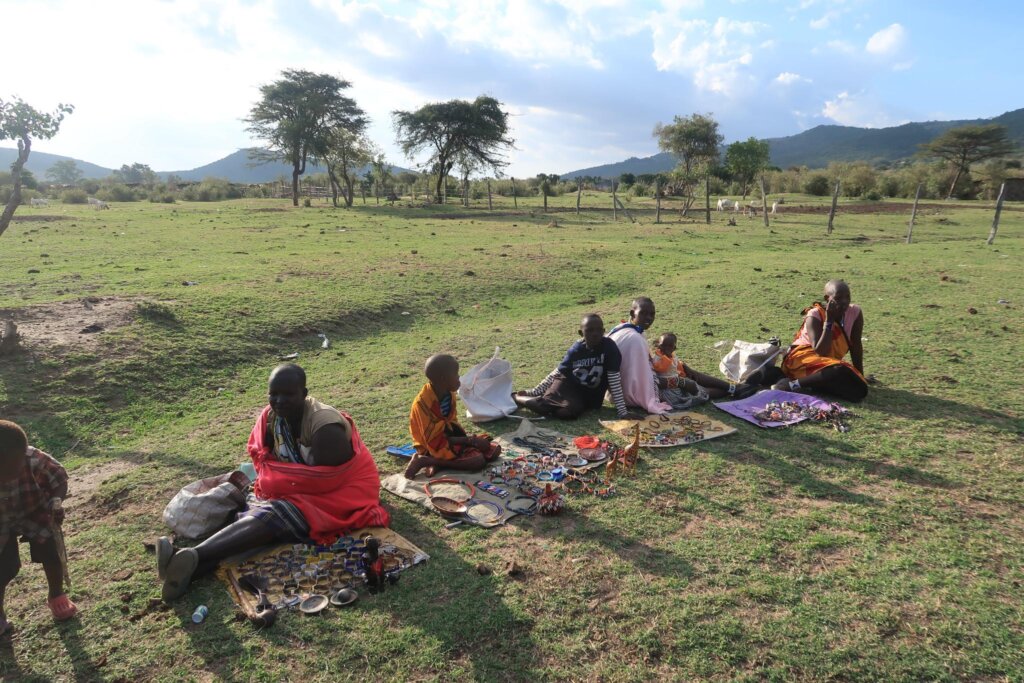
The items were rough, clearly handmade, but not well-crafted. And definitely not worth the price they were asking. We tried to say no, but it felt so awkward. As we stepped out, we noticed most of the other tourists had the same beaded bracelet on their wrists. Everyone had given in.
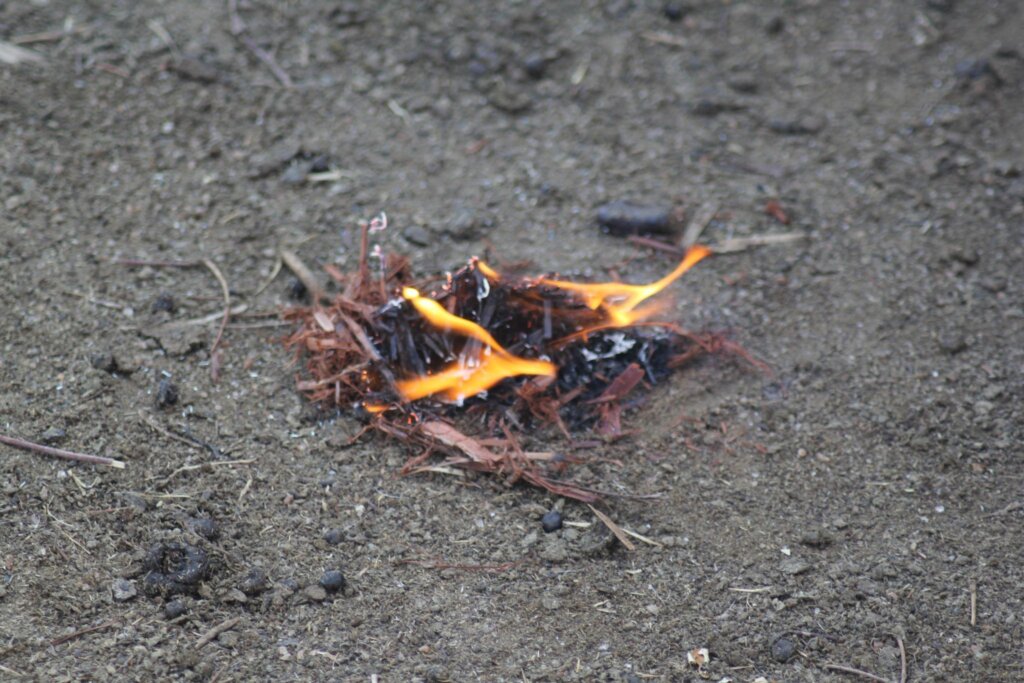
After the hut ordeal, they demonstrated how to make fire using wood and a knife—rubbing the wood to spark dry grass. I’m sure it’s a cool skill to learn, but the vibe was so performative that we couldn’t take it seriously anymore.
Finally, the women of the village came out and sang a short song… followed by another attempt to sell us souvenirs. It just didn’t stop.
All in all, we were there for about 40 minutes, but it felt much longer.
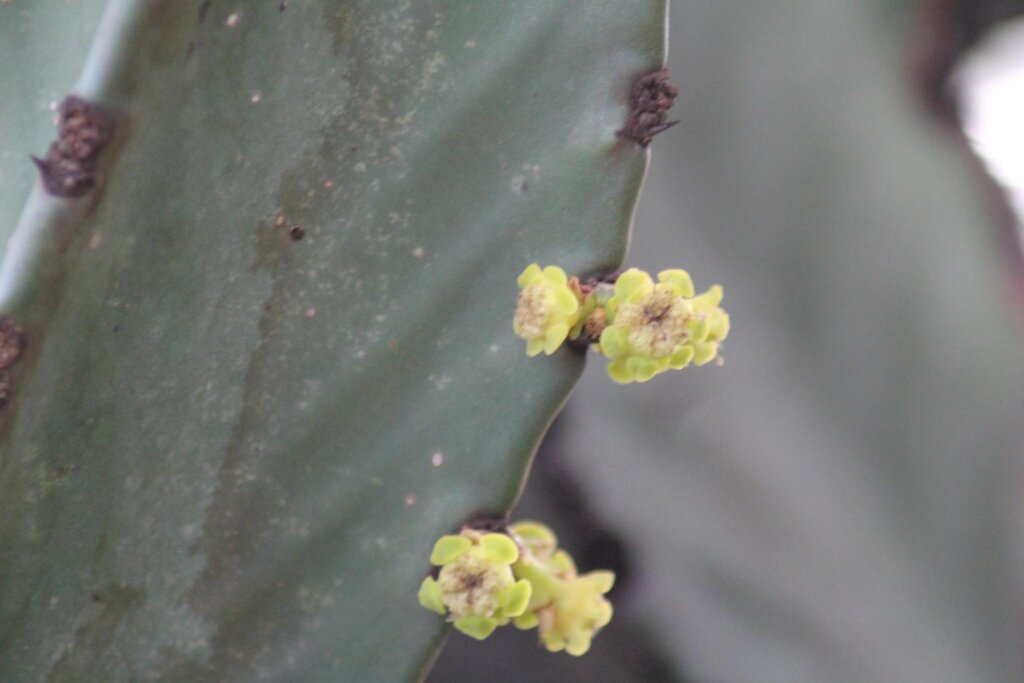
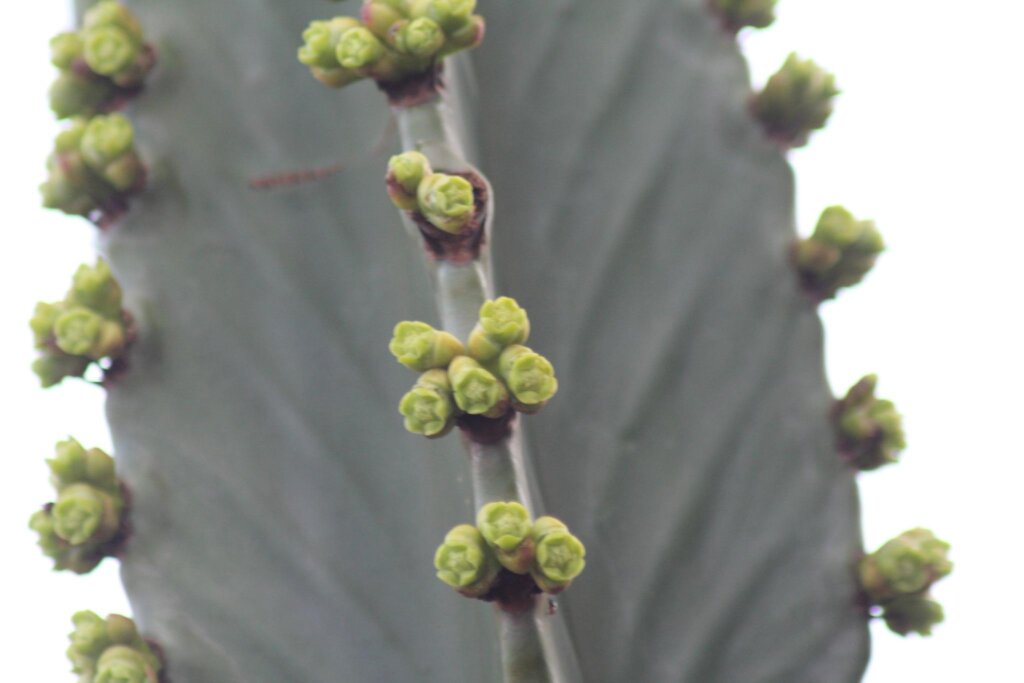
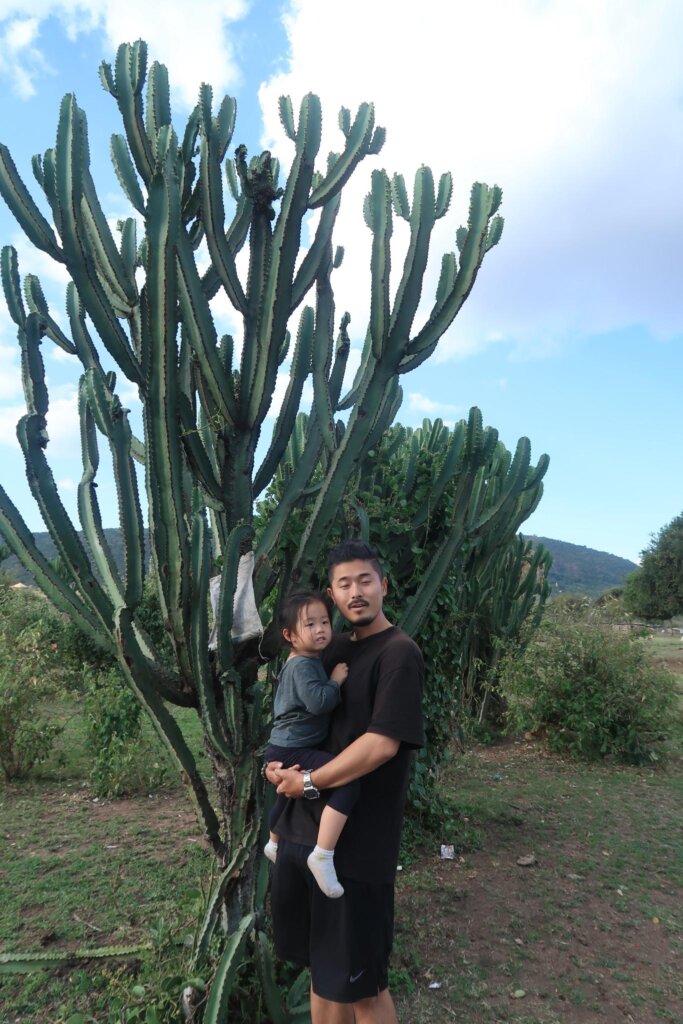
And honestly? The most memorable part was outside the village—where we found baby cactus trees near the entrance. Sweetie was obsessed with them. That little moment? Way better than the whole tour.
Tips for Traveling with a Baby
From this specific visit, here’s what we learned about exploring cultural villages with a baby:
- Avoid muddy or messy terrain if possible
Animal waste was everywhere, and Sweetie got scared just looking at it. A good baby carrier or sling is essential for places like this. - Watch for overstimulation
The dancing, chanting, and dark hut interiors were a bit much for Sweetie. She looked uneasy most of the time. Stay close and be ready to reassure your baby. - Pack hand sanitizer and wipes
No running water in the village. We cleaned Sweetie’s hands and our own several times, especially after touching things during the hut tour.


Local Travel Tips
If you’re planning a Masai Village tour around the Masai Mara, here’s what we wish someone had told us:
- Manage your expectations
It’s more of a staged performance for tourists than a cultural deep dive. Don’t expect anything too educational. - Cash is king
Bring small bills for entrance fees and, if you’re planning to buy, for souvenirs. - Expect pressure to buy
They will push you to purchase something, even in awkward, dimly lit spaces. Don’t feel guilty about politely refusing. - Go when you have energy
Doing this after a full safari is not ideal. We were already tired, and the experience didn’t help.
Travel Reflections
This was one of the more disappointing moments of our world travel. I came into it excited to learn about the Masai culture, to show Sweetie something truly unique. But what we got instead was a transactional performance wrapped in a sales pitch.
I don’t blame the Masai people. Tourism might be one of their main income sources. But from the traveler’s side, it just didn’t feel genuine.
Still, I’m grateful for the little things. Sweetie’s brave face with the warriors, her fascination with cactus plants, and just being together out there—even in disappointment, we learned something.



Leave a Reply