Explore the family-friendly charm of Tu Duc Tomb in Hue, Vietnam. Discover stories, and insights from athis historic imperial site.
Table of Contents
- Introduction: Afternoon at Tu Duc Tomb
- The Historical Significance of Tu Duc Tomb
- Key Highlights of Tu Duc Tomb
- Tips for Visiting with a Toddler
- Reflections on the Symbolism and Design
1. Introduction: Afternoon at Tu Duc Tomb
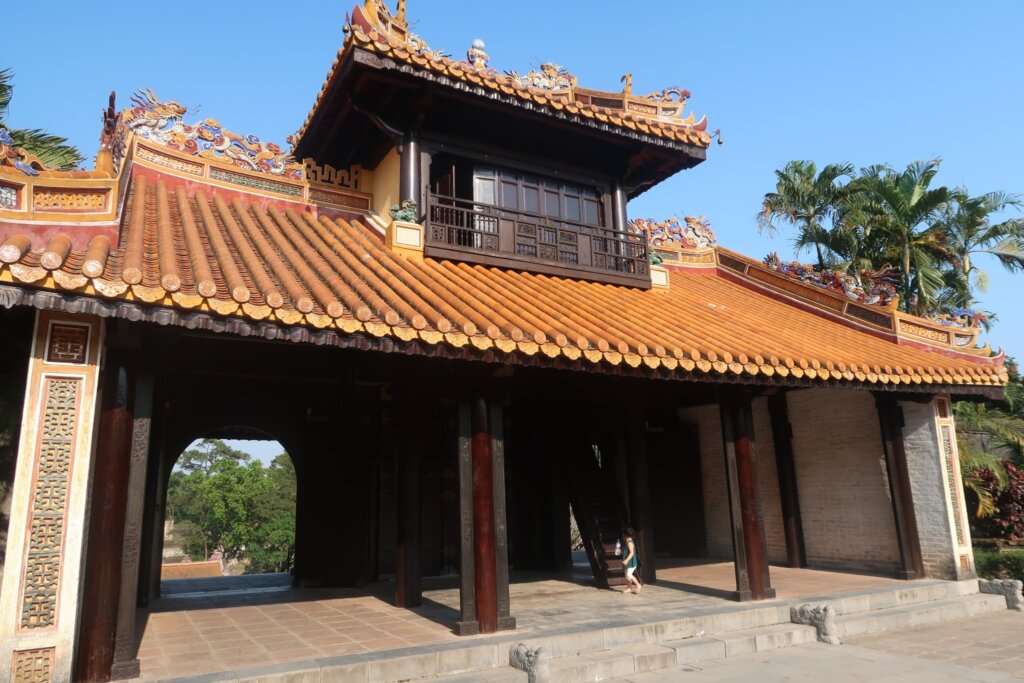
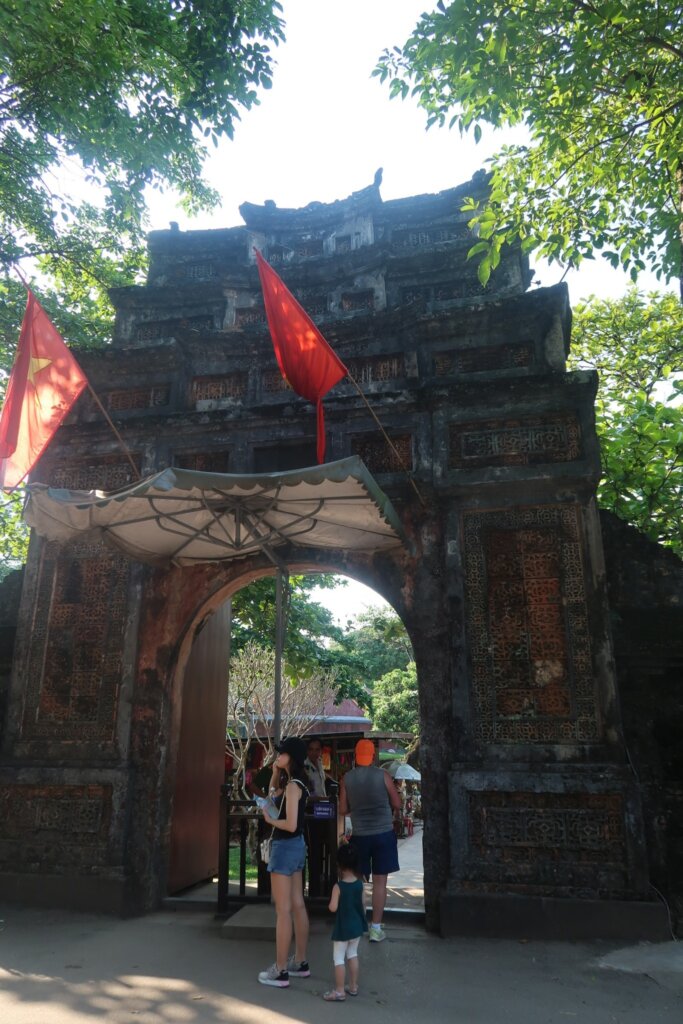
After a restful morning exploring the Hue Royal Palace, we returned to our hotel to recharge. By mid-afternoon, we were ready to visit Tu Duc Tomb, one of the “Hue Big 4” landmarks. Unlike the more distant Minh Mang and Khai Dinh tombs, which we planned to explore later, Tu Duc Tomb was conveniently close to the city center.
- Location:
Tu Duc Tomb, Thủy Xuân, Huế, Thua Thien Hue, Vietnam
Despite the scorching weather (38°C and 83% humidity), the serene beauty of Tu Duc Tomb made it a worthwhile journey.
2. The Historical Significance of Tu Duc Tomb
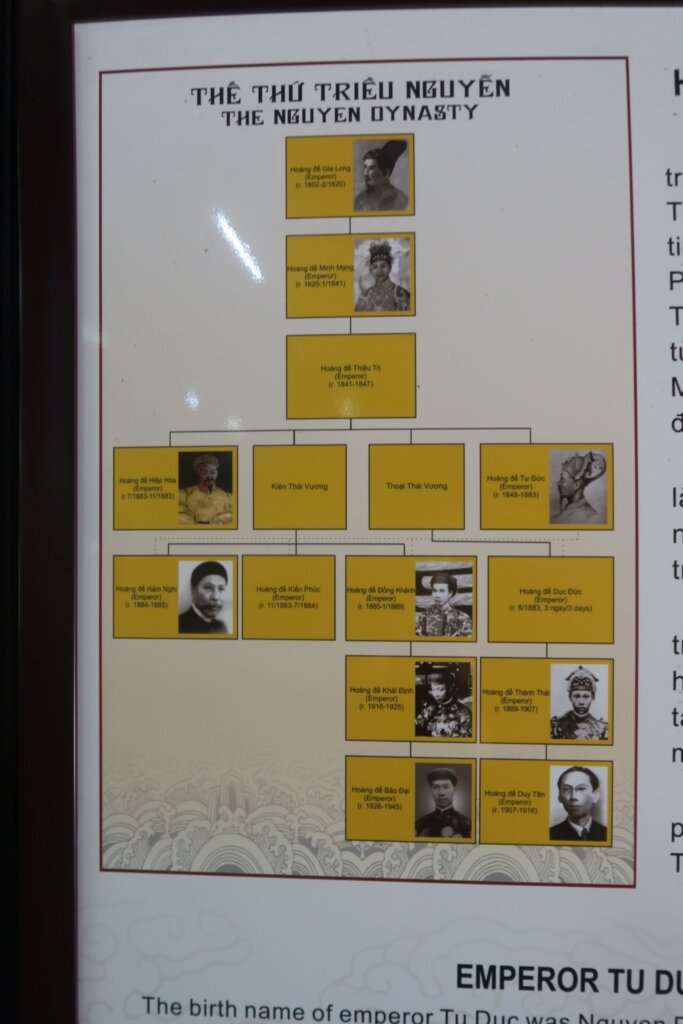
Tu Duc Tomb was built for the fourth Nguyen emperor, Tu Duc, who ruled Vietnam from 1848 to 1883. Known for his humility and love of poetry, the tomb reflects his values and personal philosophies. Interestingly, the complex was initially called the Hall Complex of Modesty and was renamed The Tomb of Modesty after his death.
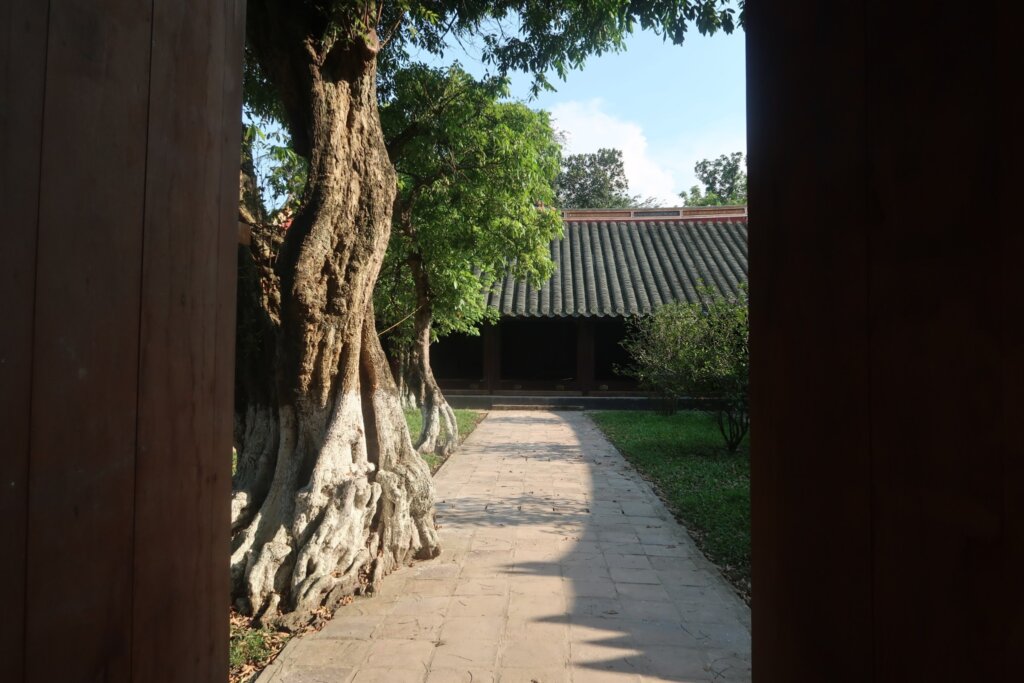
Tu Duc’s desire for modesty is evident in the layout, which features a mix of natural landscapes, man-made lakes, and understated architectural elements. This balance between humility and imperial grandeur makes the tomb uniquely captivating.
3. Key Highlights of Tu Duc Tomb
A Scenic Layout
The tomb complex is centered around a large lake, with structures such as the emperor’s and empress’s tombs, a temple for ancestral worship, and pavilions scattered like a fan. The design creates a harmonious blend of nature and architecture.
Highlights:
- The Ruins of the Concubines’ Residence
The remains of a structure for the emperor’s concubines stand as a poignant reminder of history. Only the stone foundation and some charred pillars remain, likely due to damage from war or fire. - Pavilions by the Water
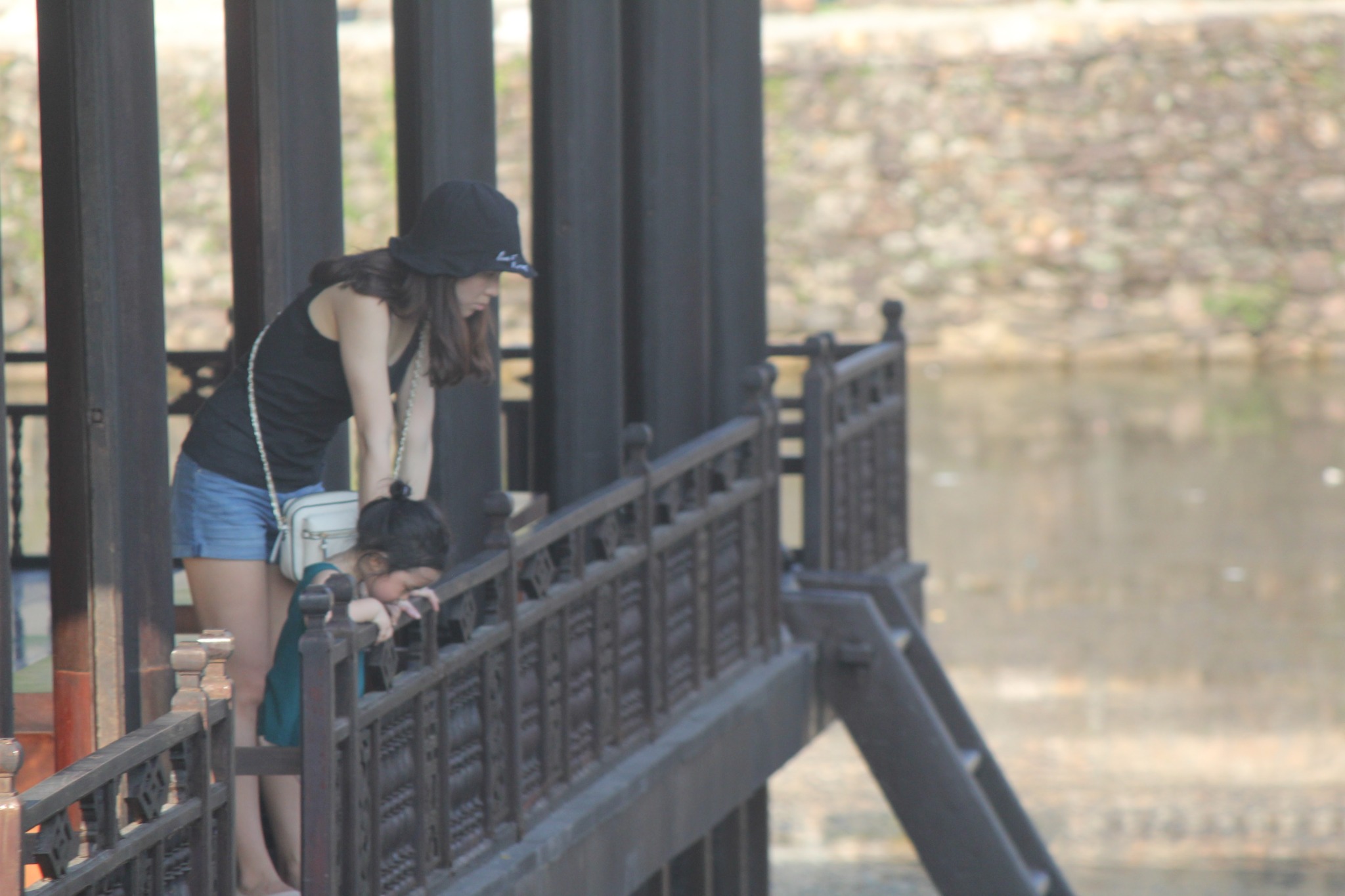
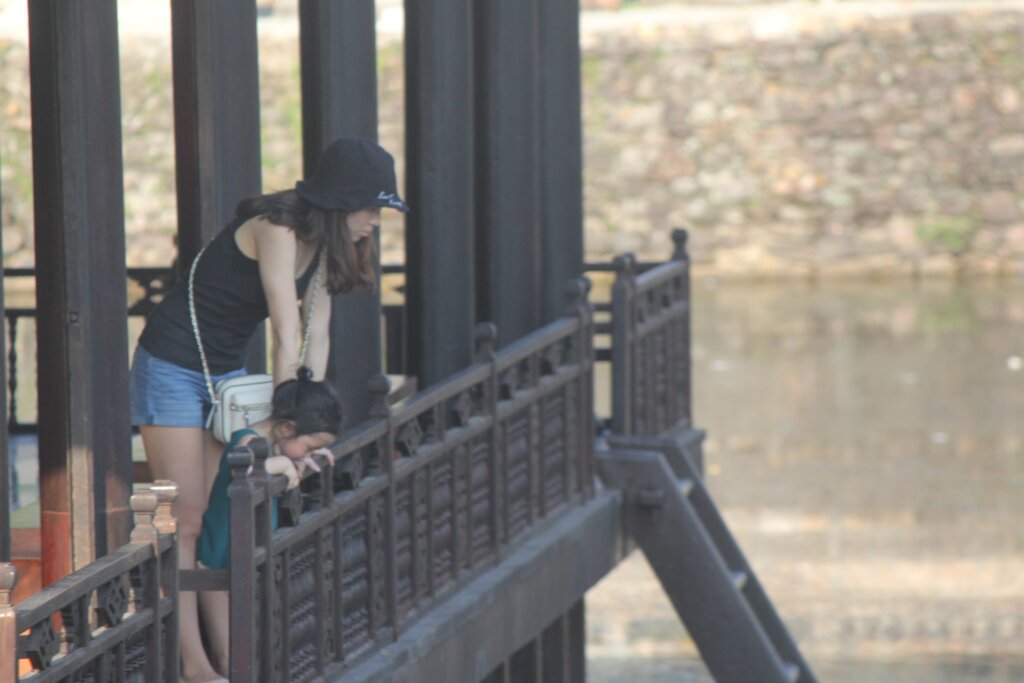
These elegant lakeside structures offer shaded spots to relax and reflect. The gentle ripples of the water created a calming atmosphere, perfect for a short respite. - The Worship Hall
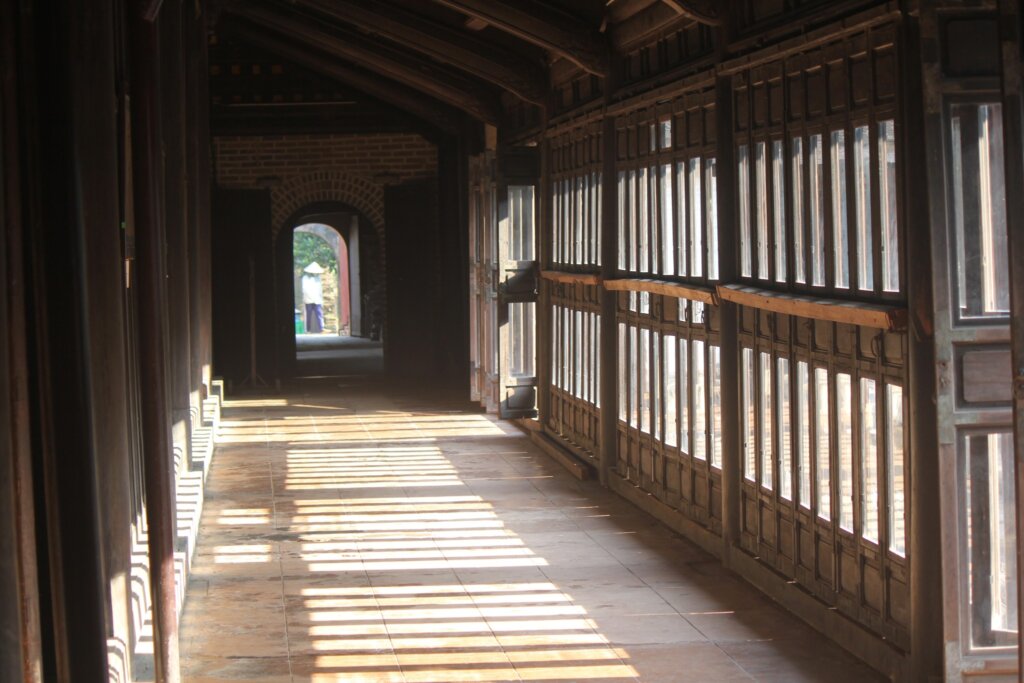
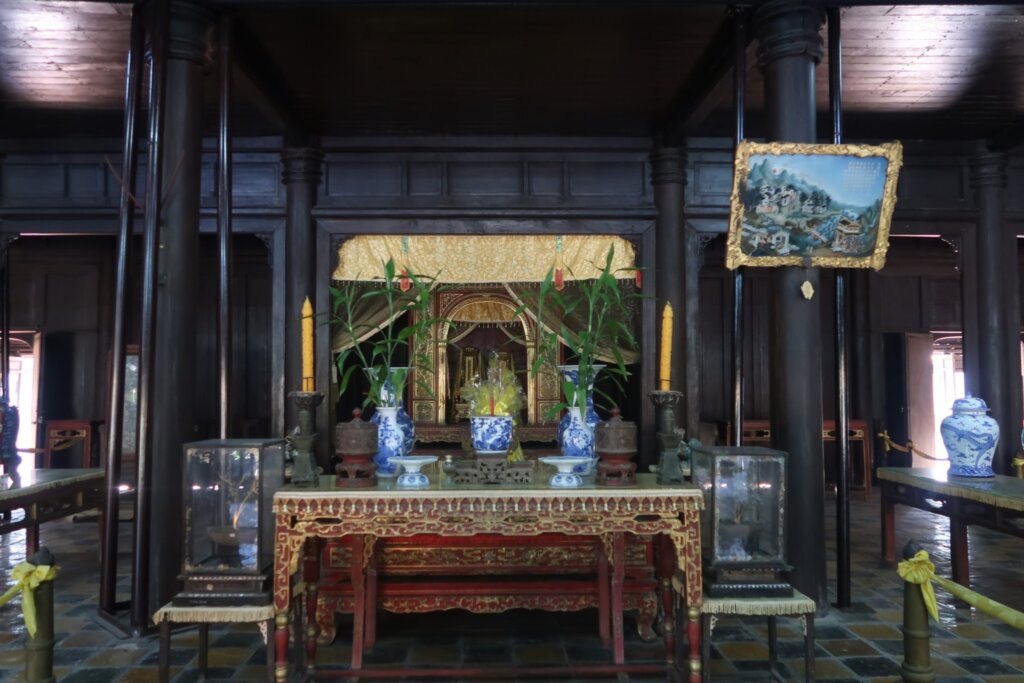
The hall houses ancestral tablets for Emperor Tu Duc and his empress. Walking through the quiet, empty hall, we felt an eerie sense of presence—as if the past still lingered. - Imperial Guard Statues and Pavilion of Modesty
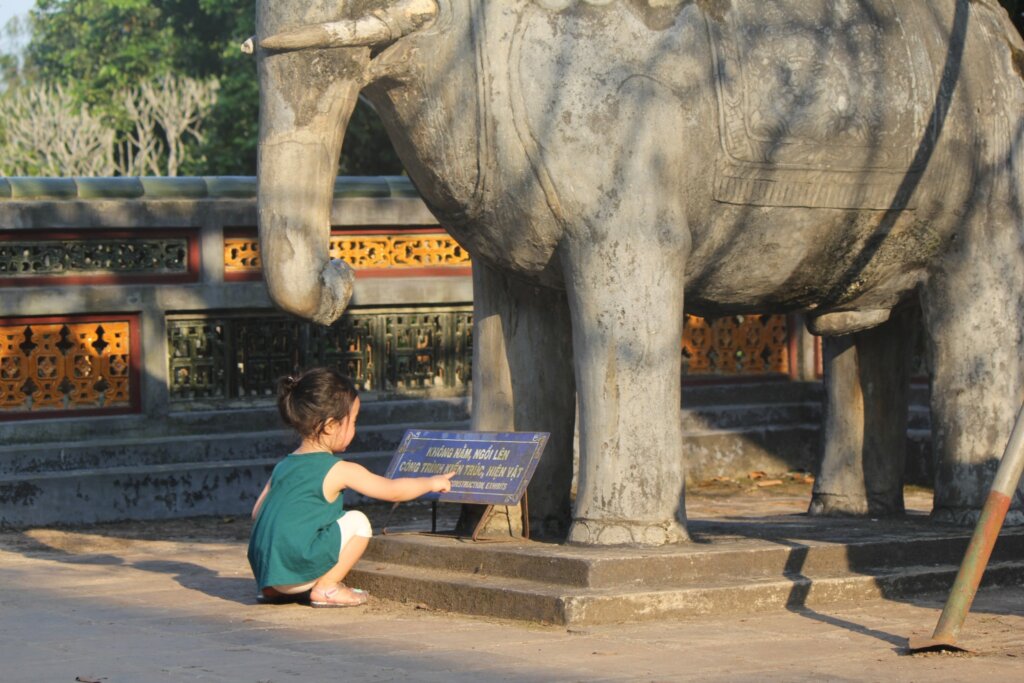
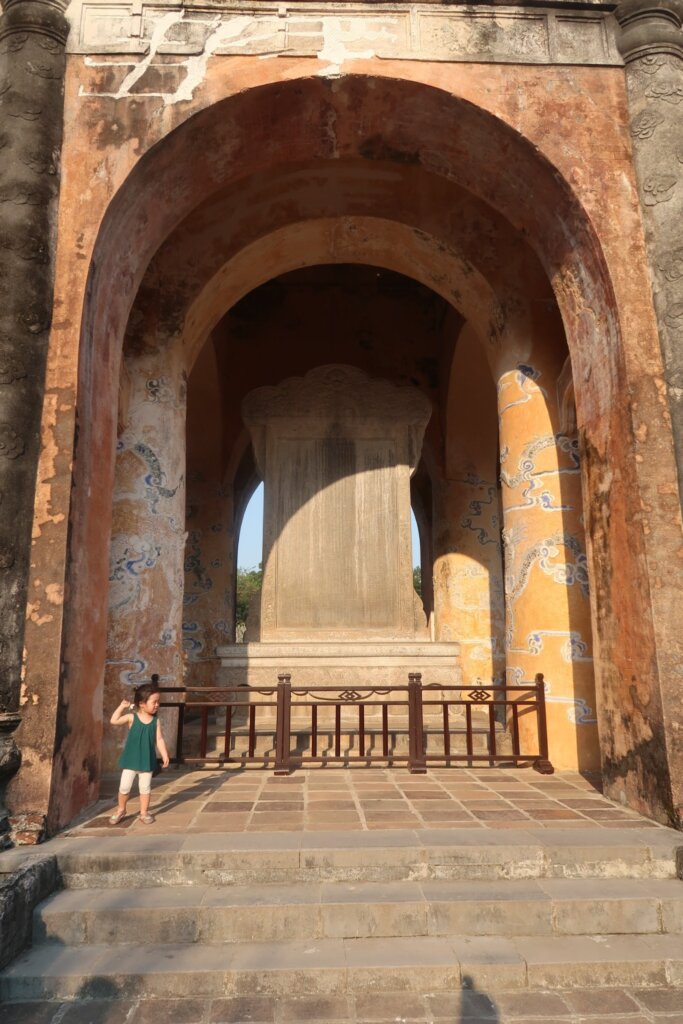
Rows of stone statues of soldiers, elephants, and mandarins lead up to a pavilion that houses the emperor’s stele. The inscriptions detail Tu Duc’s life, achievements, and reasons for selecting this burial site. - The Emperor’s Tomb (Buu Thanh)
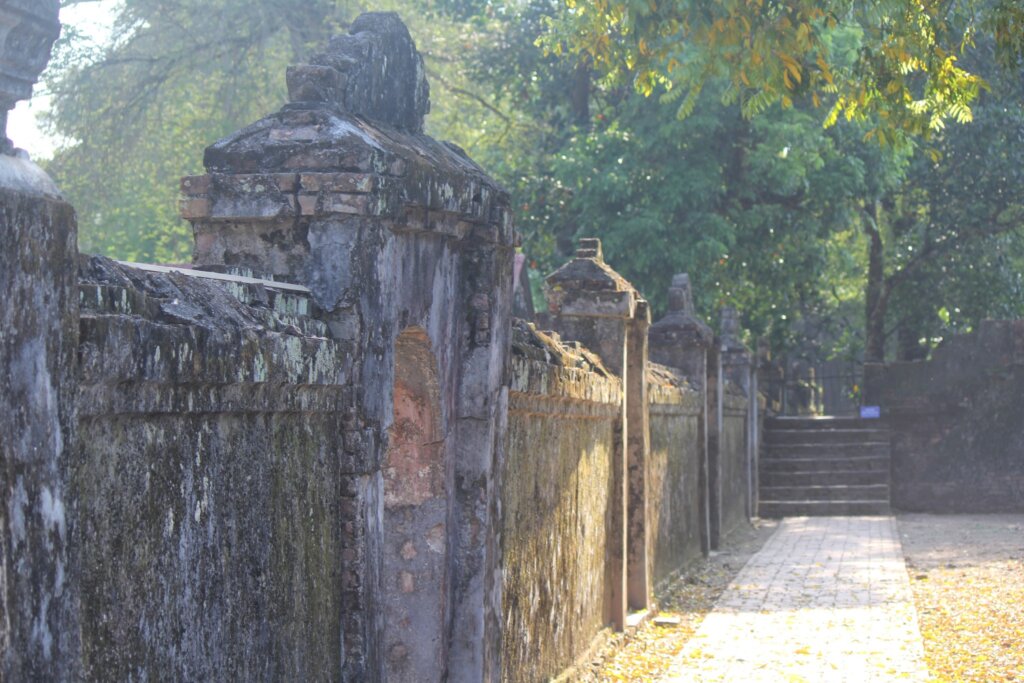
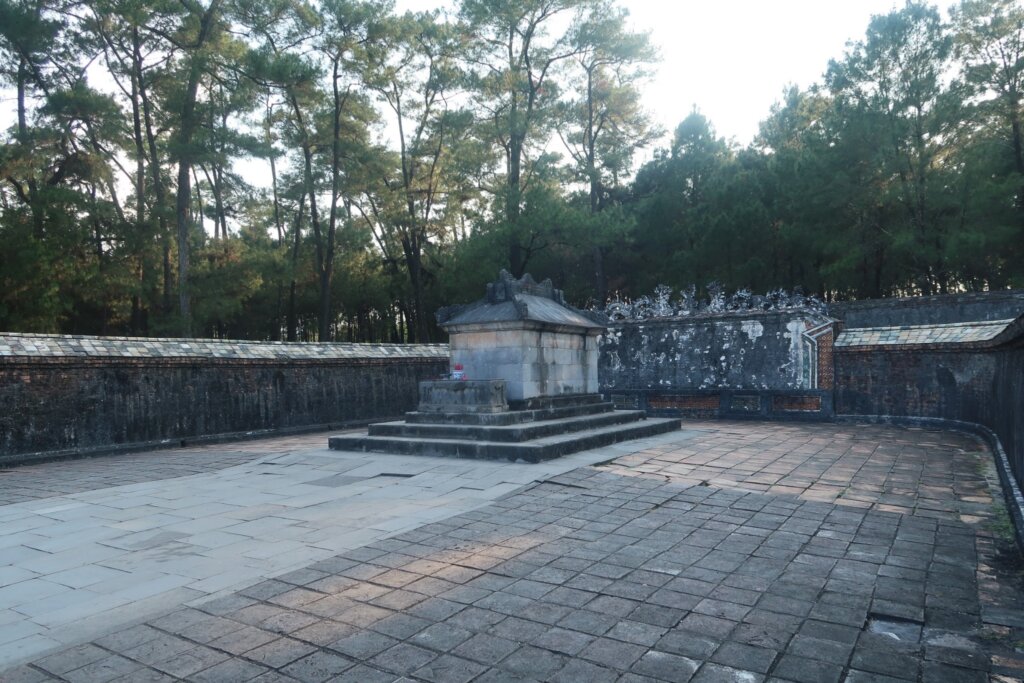
Surrounded by high walls, the actual tomb is hidden behind an ornate screen wall. The enclosed space feels disconnected from the outside world, encouraging reflection on mortality and legacy. - The Empress’s Tomb
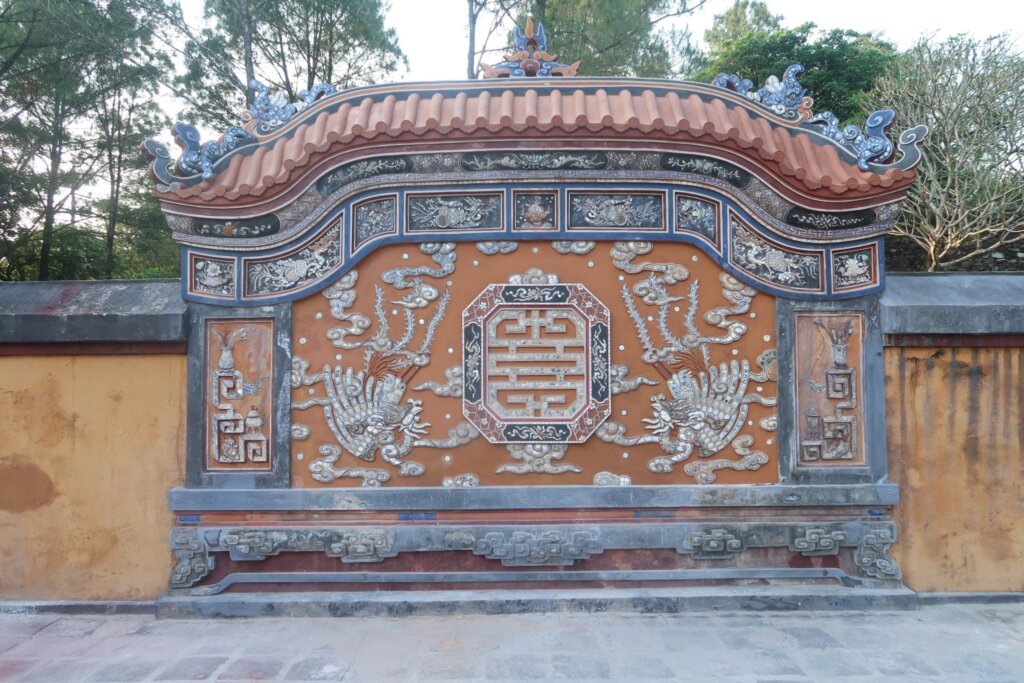
Smaller and more delicate than the emperor’s tomb, the empress’s burial site stands out for its brighter tones and intricate decorative walls.


4. Tips for Visiting in Tu Duc Tomb Hue Family Travel
Visiting historical landmarks like Tu Duc Tomb with a toddler can be challenging, especially in Hue’s heat. Here are some tips based on our experience:
- Start in the Afternoon:
The afternoon sun can be intense, but temperatures begin to drop as the day progresses. The soft golden light also makes for stunning photos. - Pack Snacks and Water:
Keep hydrated and carry light snacks to energize your child during breaks. - Engage Their Imagination:
Sweetie loved the elephant statues and exploring the pavilions. Explaining their historical significance in simple, fun ways kept her engaged. - Take Breaks:
The tomb’s shaded pavilions and lake views offer excellent spots to cool off and relax.
5. Reflections on the Symbolism and Design
Tu Duc Tomb is a profound exploration of humility, death, and the afterlife. The layered walls and hidden tomb designs evoke a sense of mystery, while the expansive layout mirrors the emperor’s thoughtful philosophy. The empress’s tomb, more delicate and preserved, offered a quiet contrast to the emperor’s modest resting place.
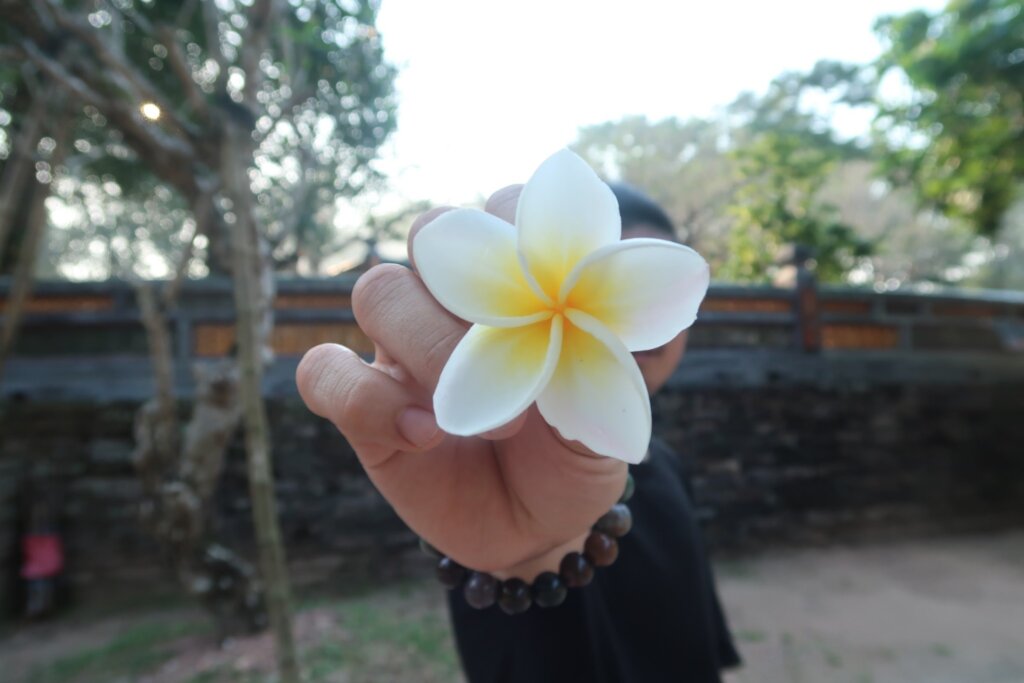
Walking through the tomb, I reflected on the transient nature of life, underscored by the crumbling structures and carefully preserved artifacts. Sweetie, though too young to grasp the deeper symbolism, enjoyed every moment—especially the flowers she collected as small souvenirs of the journey.



Leave a Reply