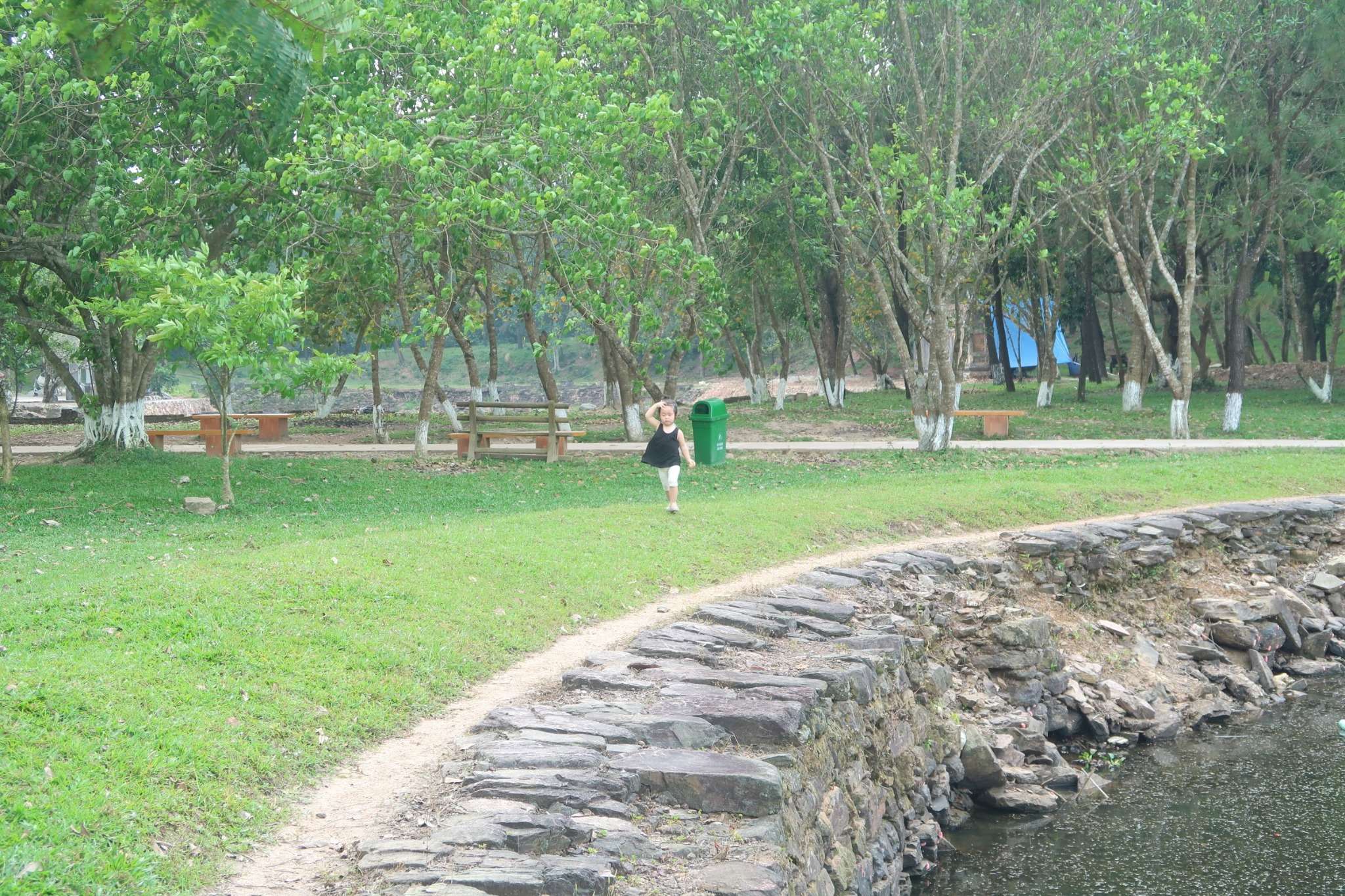
Explore Thieu Tri Tomb in Hue, Vietnam, an unassuming yet historical site rich in solitude and cultural heritage.
Table of Contents
- Main Journey
- A Surprising Discovery on the Way Back
- First Impressions of Thieu Tri Tomb
- Exploring the Overgrown Serenity
- A Walk Around the Mausoleum
- Events
- Highlights of Thieu Tri Tomb
- Comparing Thieu Tri and Minh Mang Tombs
- Tips for Traveling with a Child
- Handling Unexpected Stops
- Making Historical Sites Fun for Kids
- Local Travel Tips
- Budget-Friendly Tomb Visits
- Navigating Hue’s Hidden Heritage
- Travel Reflections
Main Journey in Thieu Tri Tomb Hue Travel
A Surprising Discovery on the Way Back
After an incredible day exploring the grandeur of Minh Mang and Khai Dinh tombs, we were heading back to our hotel when fate had other plans. Julie spotted a small sign marking a cultural heritage site. Intrigued, we stopped our scooter to investigate.
To our surprise, it was the Thieu Tri Tomb, the resting place of the Nguyen Dynasty’s third emperor. With the afternoon heat briefly softened by passing clouds, we decided to take a detour and explore.
First Impressions of Thieu Tri Tomb
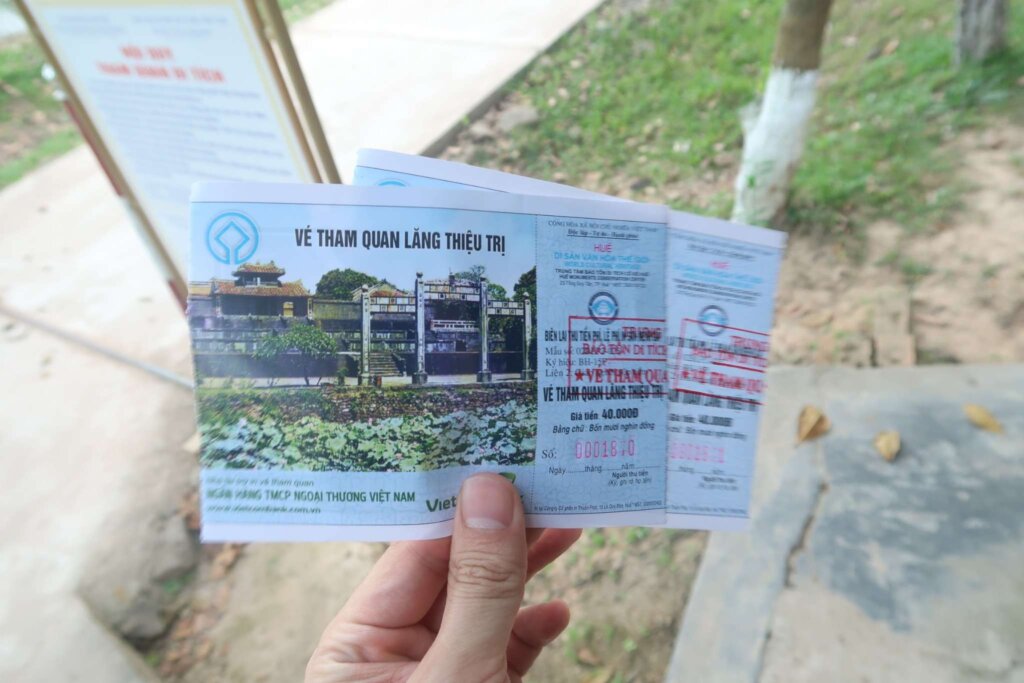
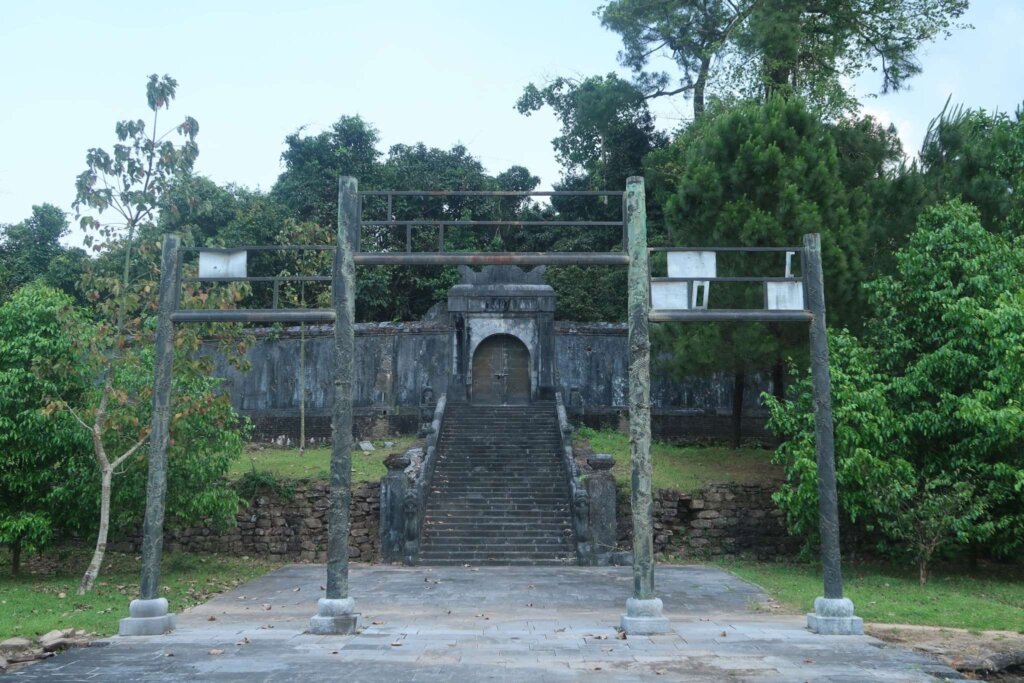
The entrance was quiet and unassuming, a stark contrast to the bustling grandeur of other imperial tombs. There was no crowd, only the calm of solitude. The ticket was surprisingly affordable at 40,000 VND (about 2,000 KRW), a fraction of what we had paid for other tombs.
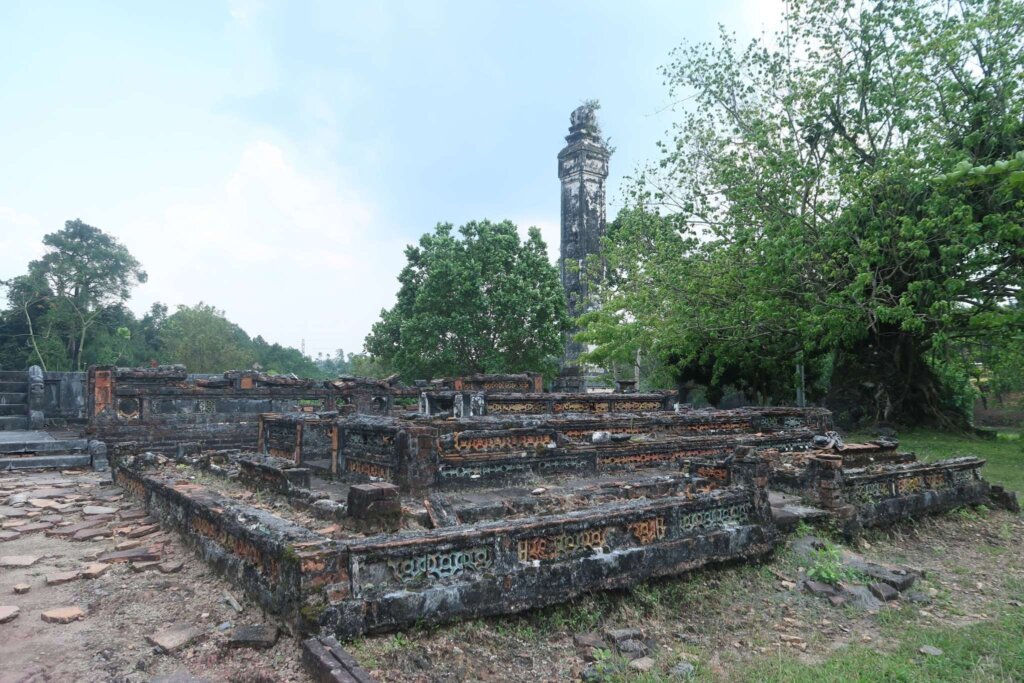
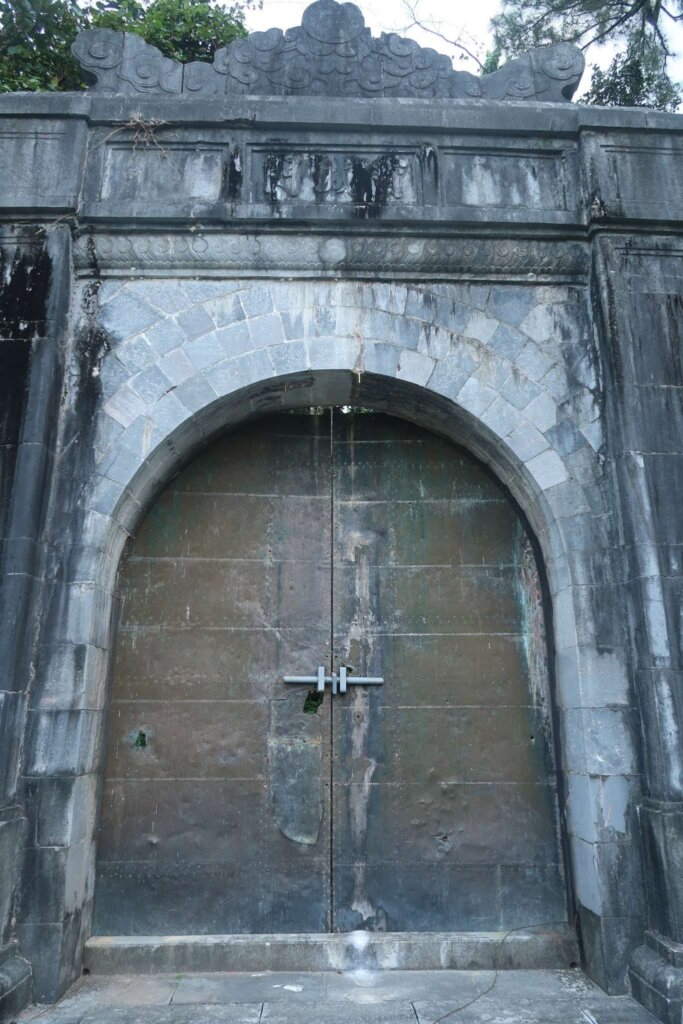
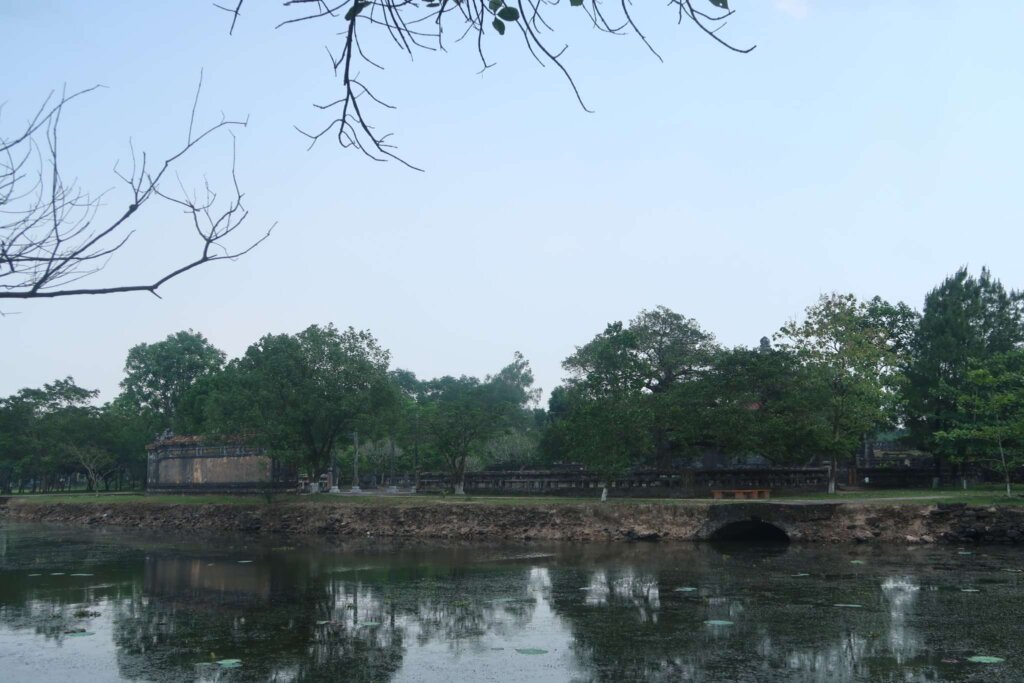
The space exuded a melancholic charm, with signs of neglect blending seamlessly into the overgrown surroundings. Moss-covered walls and cracked structures spoke of a once-glorious past now fading into the wilderness.
Exploring the Overgrown Serenity
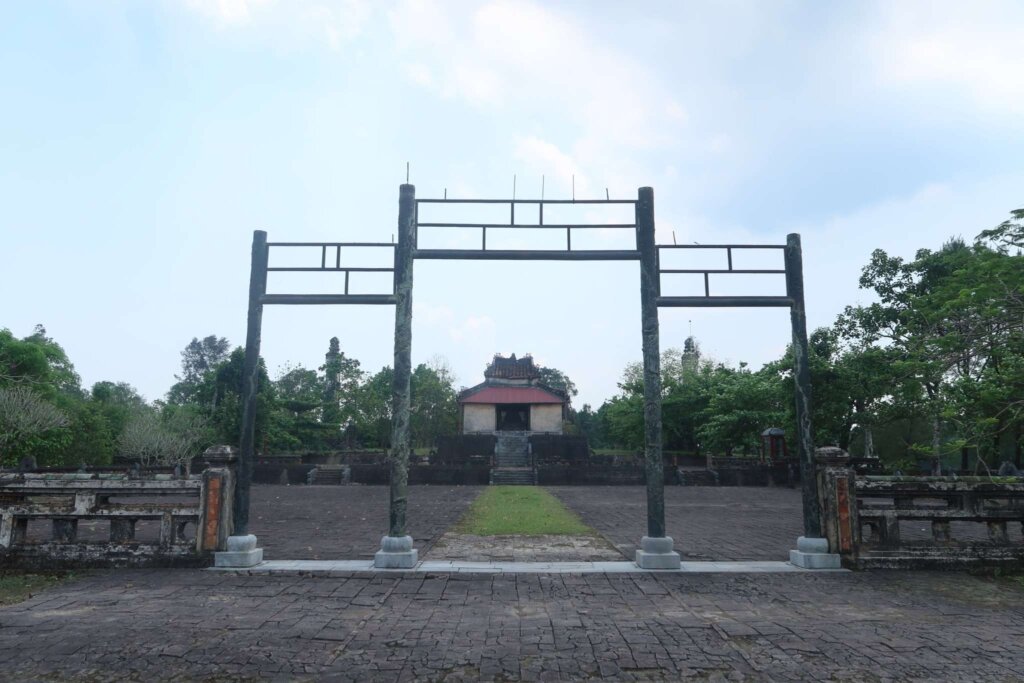
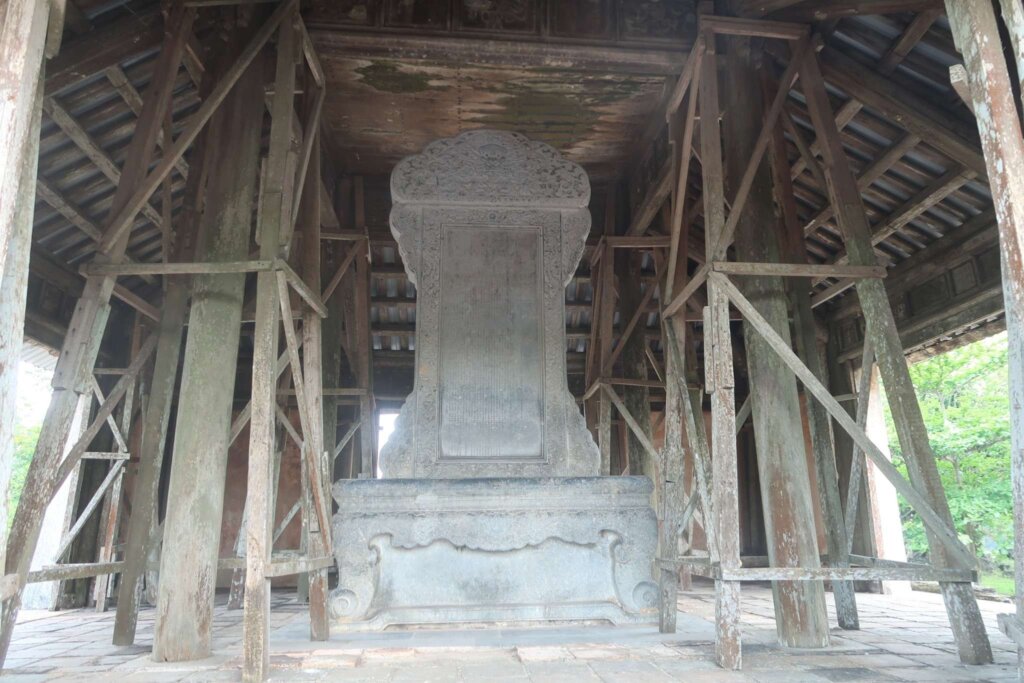
Entering through the tomb’s imposing walls, we were greeted by a large pavilion housing Thieu Tri’s stele. The design was strikingly familiar—it mirrored the layout of Minh Mang’s tomb, which wasn’t surprising given that Thieu Tri was his eldest son. However, the disrepair was glaring.
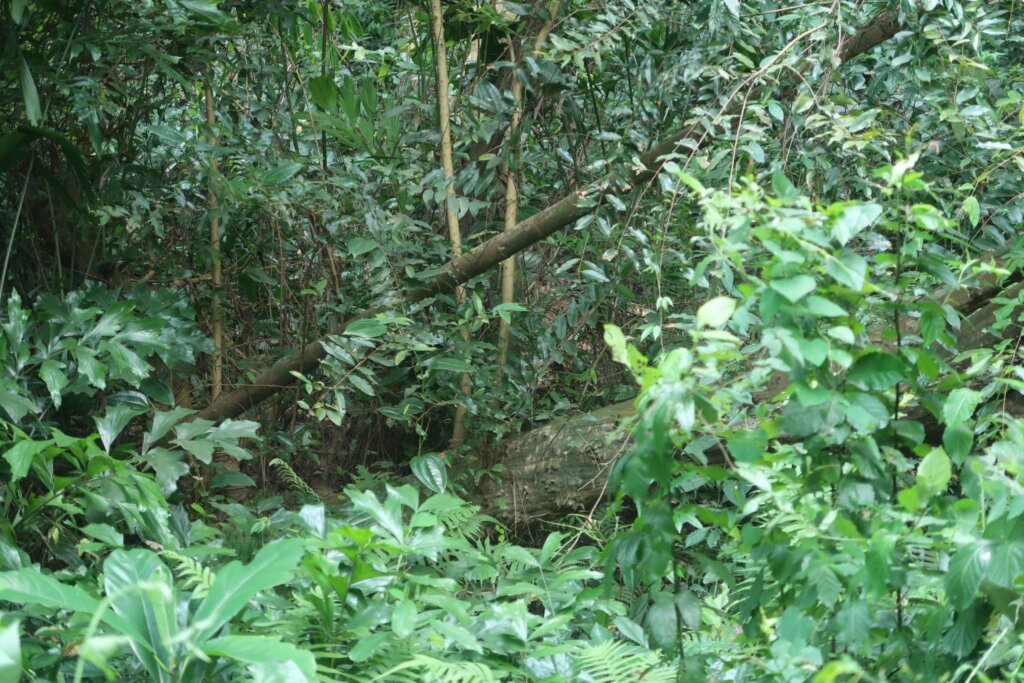
Stone railings once adorned with colorful porcelain mosaics lay shattered, their pieces scattered across the ground. Overgrown moss and vines wrapped around the walls, adding an eerie yet beautiful atmosphere to the tomb.
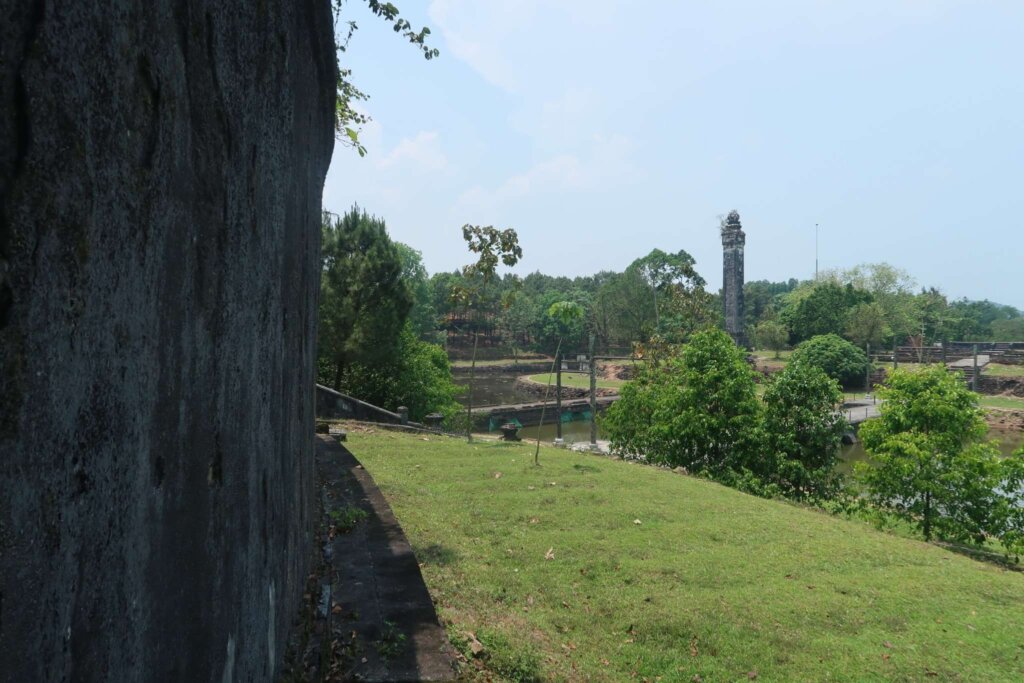
Venturing deeper, we encountered giant obelisks marred by bullet holes, a somber reminder of the destruction wrought by war.
A Walk Around the Mausoleum
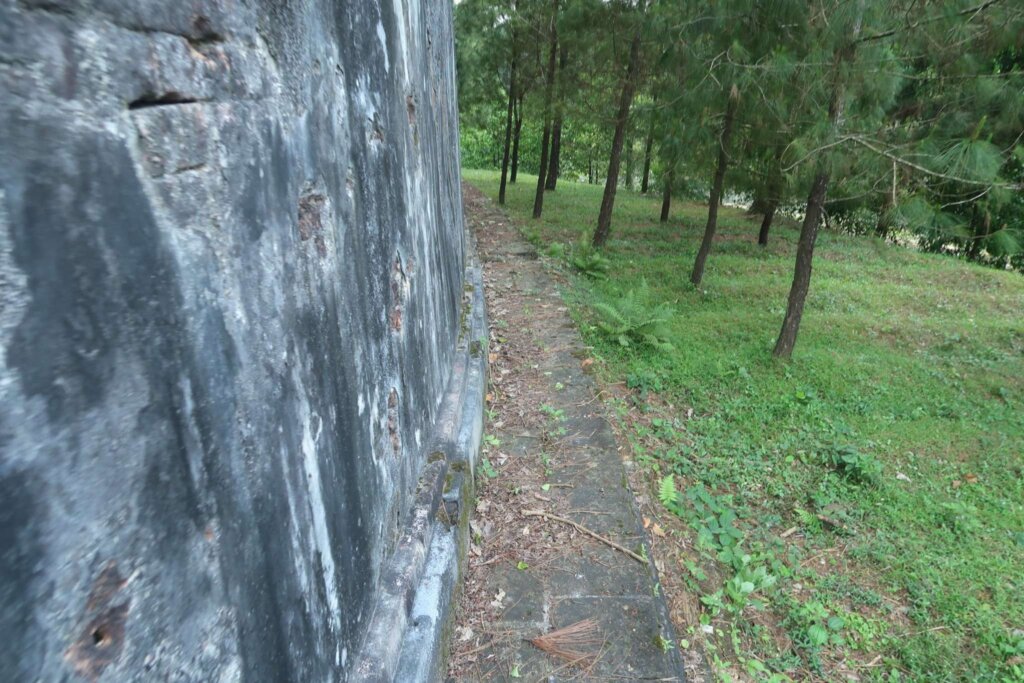
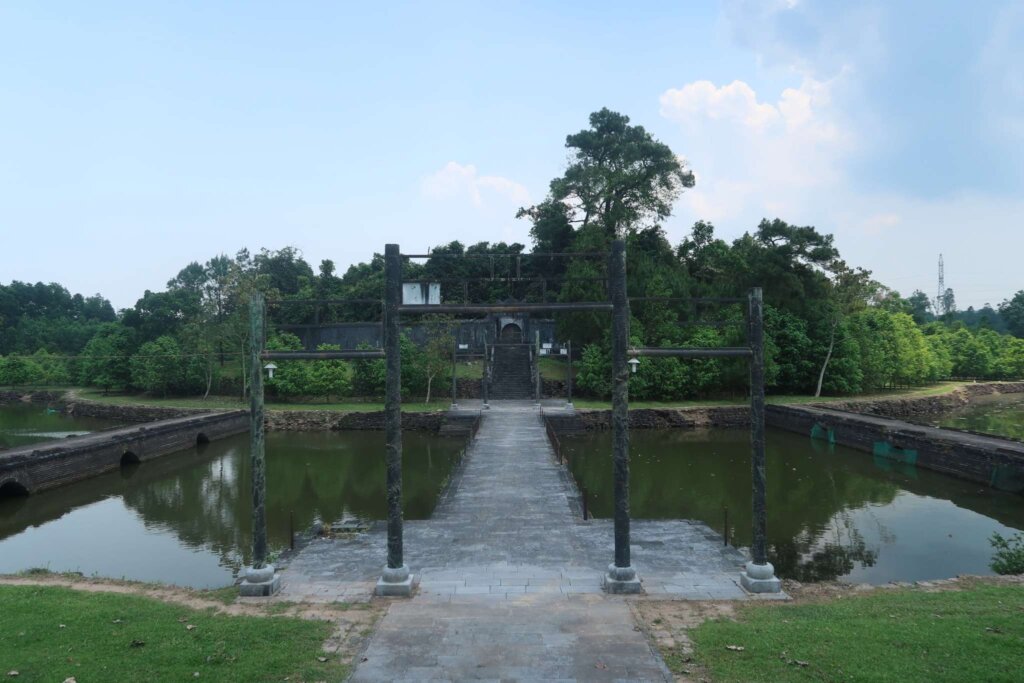
Beyond the stele pavilion lay the emperor’s mausoleum, enclosed by a tall wall over 3 meters high and 200 meters in circumference. With Sweetie and Julie resting at the entrance, I circled the perimeter alone.
The dense foliage and towering walls made for an isolating walk, where even a slight sound seemed amplified. At one point, Julie and Sweetie called out to me, but the massive walls muffled their voices completely—a testament to the tomb’s imposing structure.
Inside, the mausoleum’s design echoed Minh Mang’s, but it was stripped of its former life and vibrancy. Where Minh Mang’s tomb had lush gardens and pristine pathways, Thieu Tri’s was hauntingly desolate, with only hints of its past grandeur.
Events
Highlights of Thieu Tri Tomb
- Unique Entrance Design: A large screen wall at the entrance provides a sense of mystery and privacy.
- Stele Pavilion: Similar to Minh Mang’s design but marked by decay and overgrowth.
- Eerie Solitude: The absence of visitors gave the tomb a serene yet haunting atmosphere.
- Signs of War: Bullet holes and crumbling structures reflected the site’s turbulent history.
Comparing Thieu Tri and Minh Mang Tombs
The similarities between the tombs were striking, from their layouts to their architectural principles. However, Thieu Tri’s tomb lacked the life and vitality of Minh Mang’s. The overgrown vegetation and broken mosaics created a somber contrast, evoking a deep sense of loss and forgotten history.
Tips for Traveling with a baby
Handling Unexpected Stops
- Stay Flexible: Spontaneous stops can be a delightful surprise, but it’s important to assess if the site is safe and accessible for your child.
- Keep Essentials Ready: Snacks, water, and sun protection are crucial for impromptu detours like this.
Making Historical Sites Fun for Kids
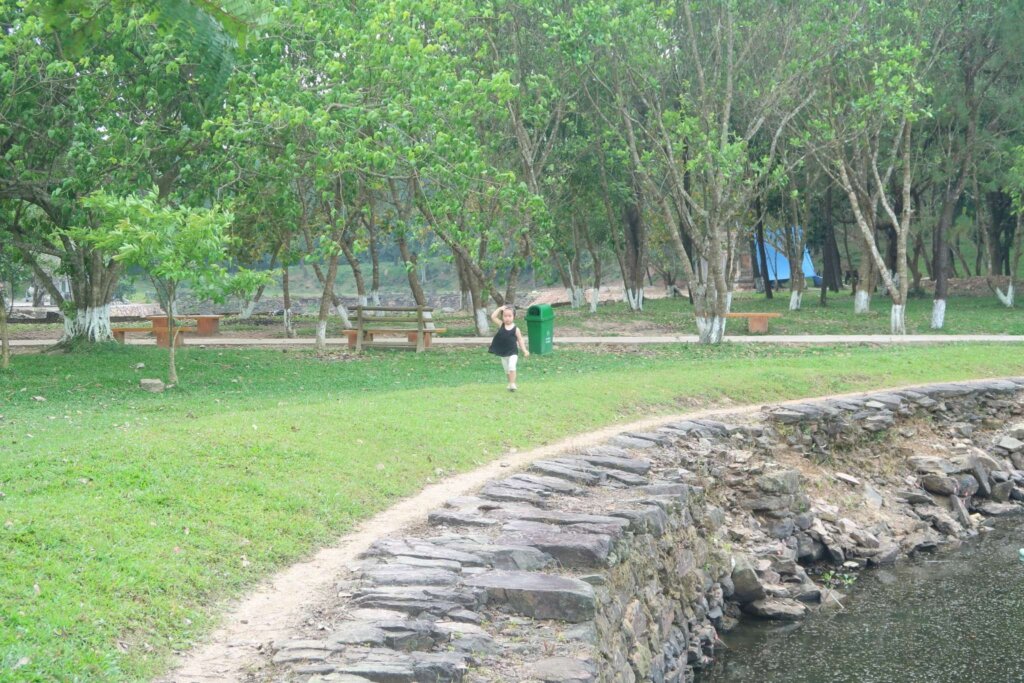
- Point Out Details: Sweetie loved spotting ants and exploring the mossy textures on the stone walls.
- Short Breaks: Allow kids to explore at their own pace while you take in the surroundings.
Local Travel Tips
Budget-Friendly Tomb Visits
- Affordable Tickets: At just 40,000 VND, Thieu Tri Tomb offers a unique experience for travelers on a budget.
- Hidden Gems: Many lesser-known tombs in Hue, like this one, can be found by following cultural heritage signs.
Navigating Hue’s Hidden Heritage
- Bring Comfortable Shoes: Uneven paths and overgrown vegetation require sturdy footwear.
- Explore at Your Own Risk: Some parts of the tomb felt unsafe due to structural instability and insect activity. Proceed cautiously.
Travel Reflections in Thieu Tri Tomb Hue Travel
- A Journey Through Time: Exploring Thieu Tri’s tomb felt like stepping into a forgotten chapter of Vietnam’s history. Its disrepair and solitude starkly contrasted the bustling grandeur of other sites.
- The Power of Serendipity: This unplanned stop reminded us of the joy of discovery, finding beauty and meaning in unexpected places.
- A Reminder of Resilience: Despite its decay, the tomb’s enduring structures and design speak to the resilience of Vietnam’s cultural heritage.



Leave a Reply