Discover our family’s visit to the Aswan High Dam with our baby in Egypt. Travel tips, heat survival hacks, and real reflections from the road.
Table of Contents
- Main Journey
- Events
- Tips for Traveling with a Baby
- Local Travel Tips
- Travel Reflections
Main Journey
We left Abu Simbel behind and drove back toward Aswan under the unrelenting Egyptian sun—temperatures spiked around 44°C (that’s 111°F!) with just 16% humidity. It was the kind of dry heat that makes you instantly grateful for even a sliver of shade. Our next stop was the Aswan High Dam, a crucial but often overlooked symbol of Egypt’s leap into the modern era.
They call it the “High Dam,” which naturally made me wonder—was there a “Low Dam” too? Turns out, yes. The original Aswan Dam (the Low Dam) was built earlier, but couldn’t keep up with demand. After modifications and a growing need for better flood control, the larger, more robust High Dam was completed in 1972.
We passed the container box that doubled as a ticket booth—easy to miss, like most Egyptian ticket offices. Even our driver’s guidance didn’t help much; we wandered a bit before finally spotting it. Tickets were 30 Egyptian Pounds each, although oddly printed as 20 on the stub.
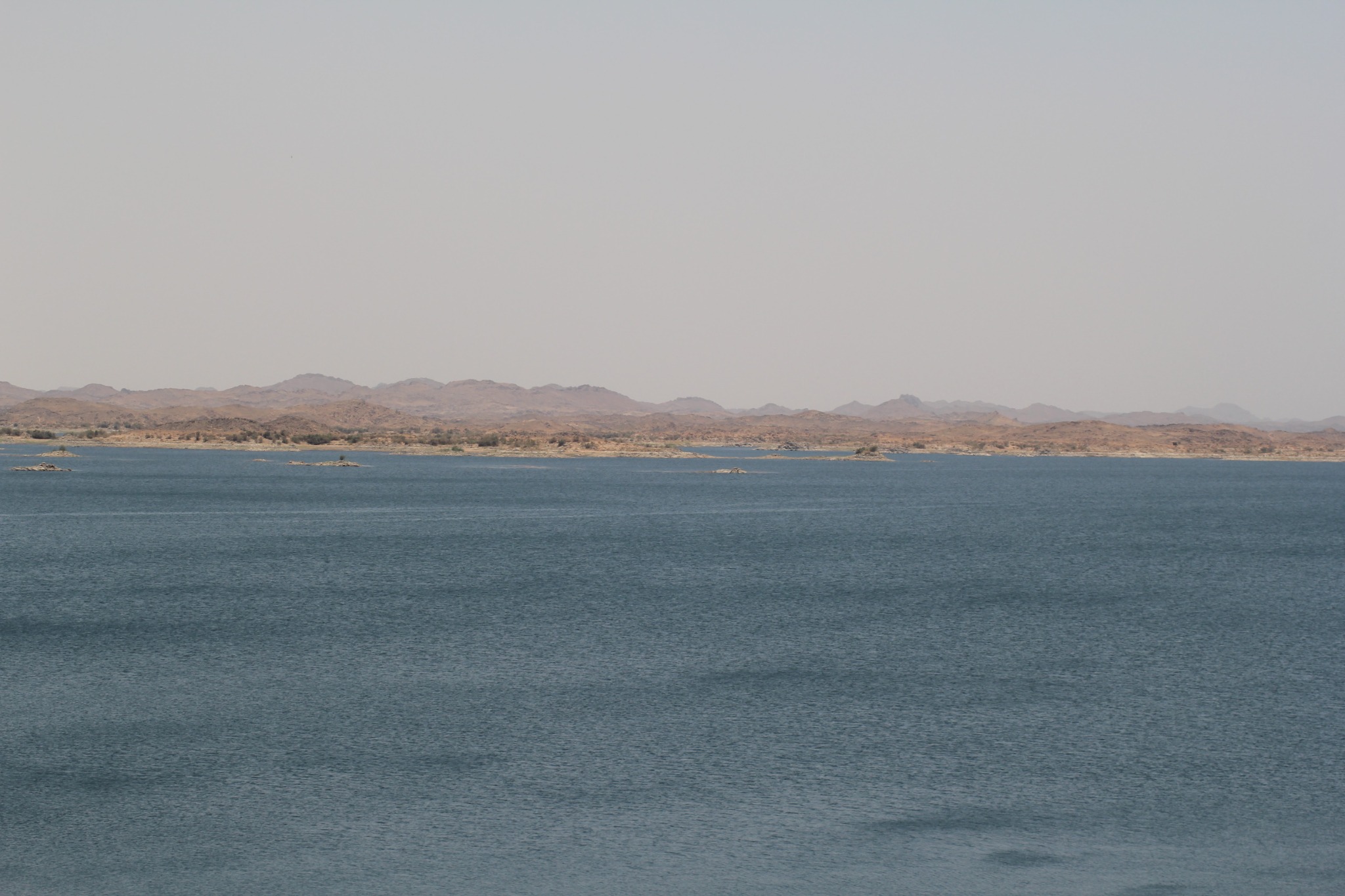
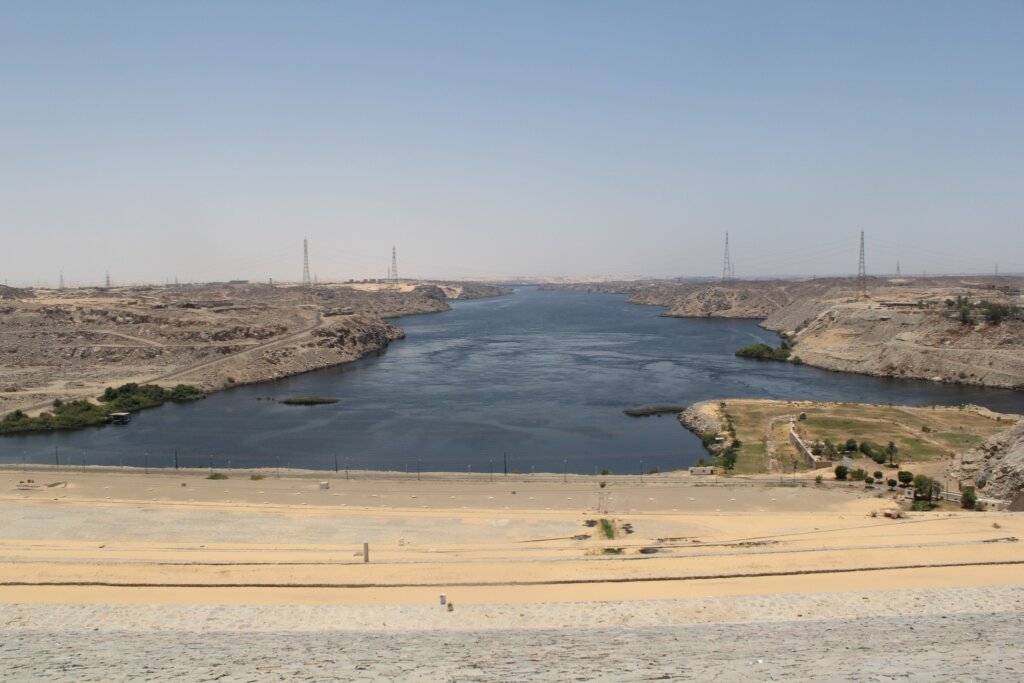
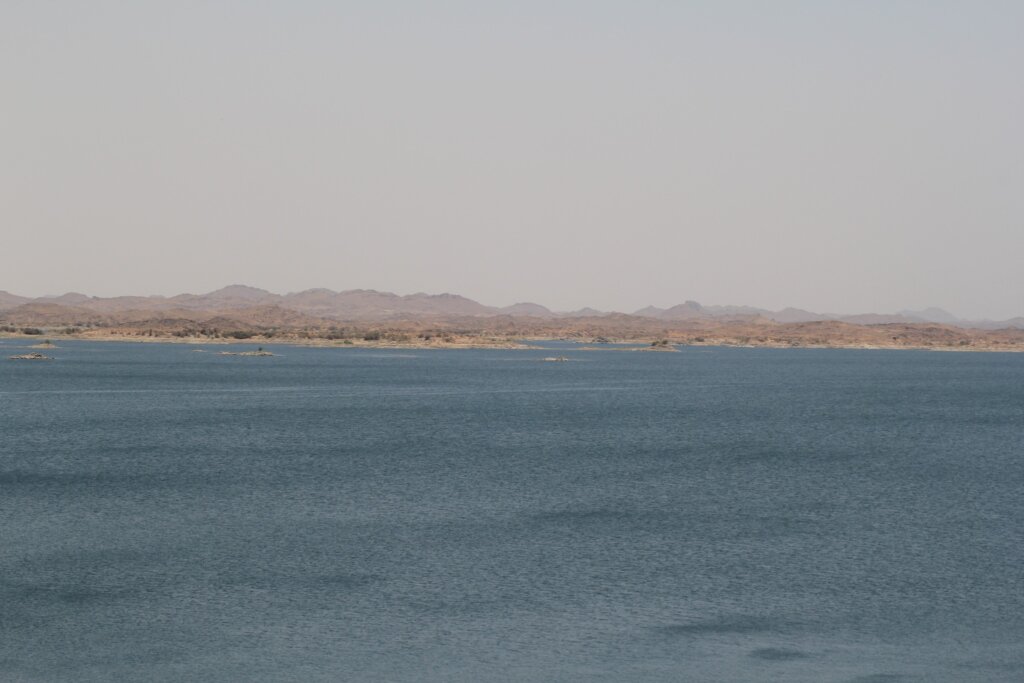
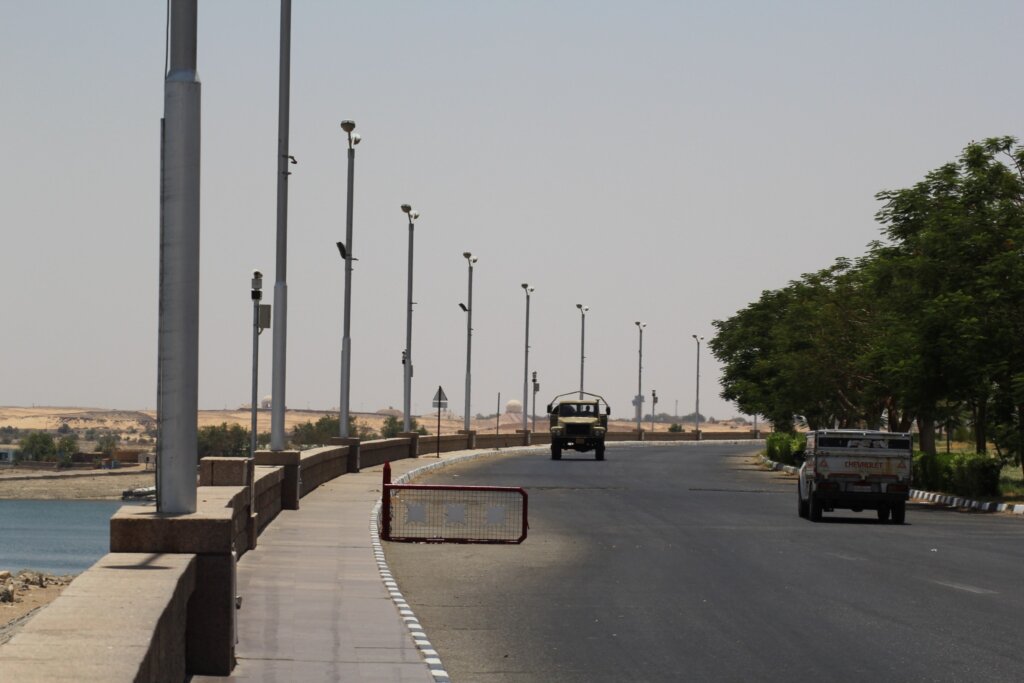
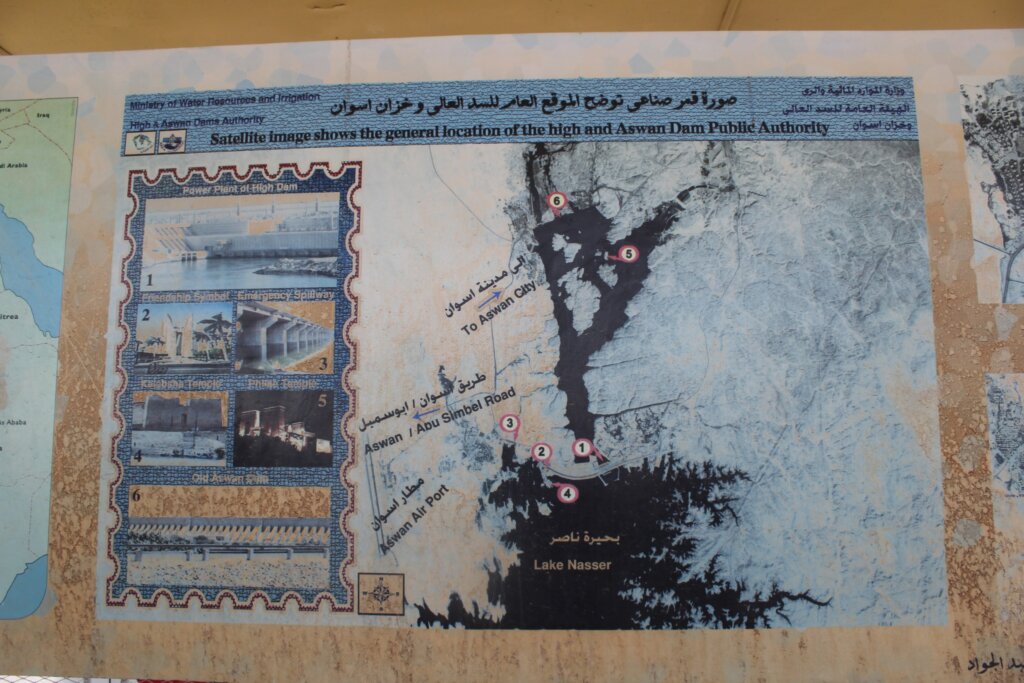
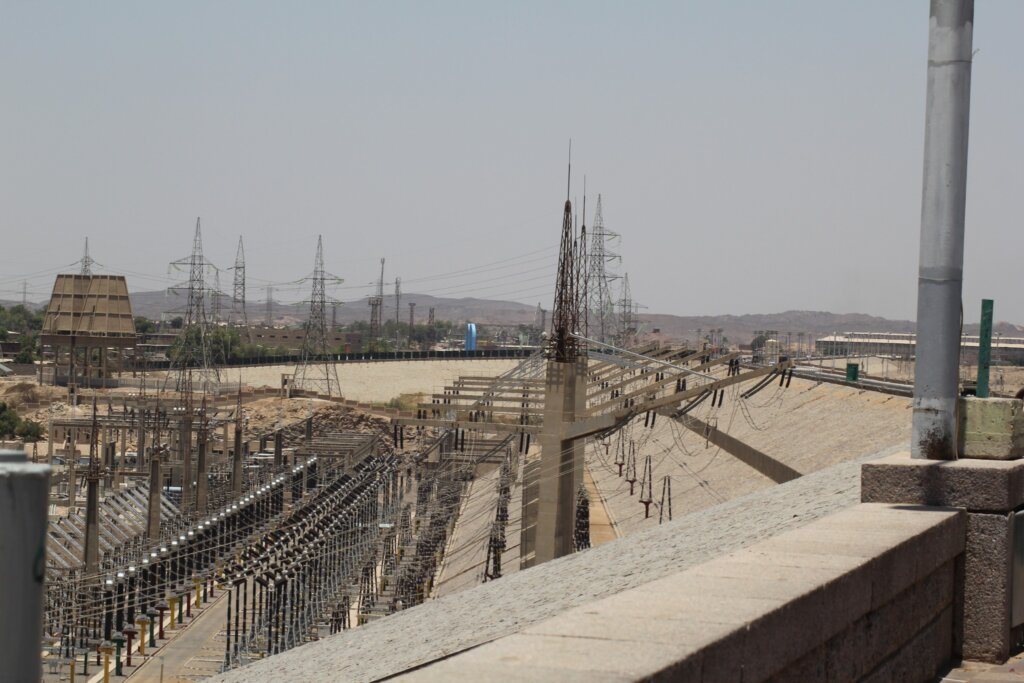
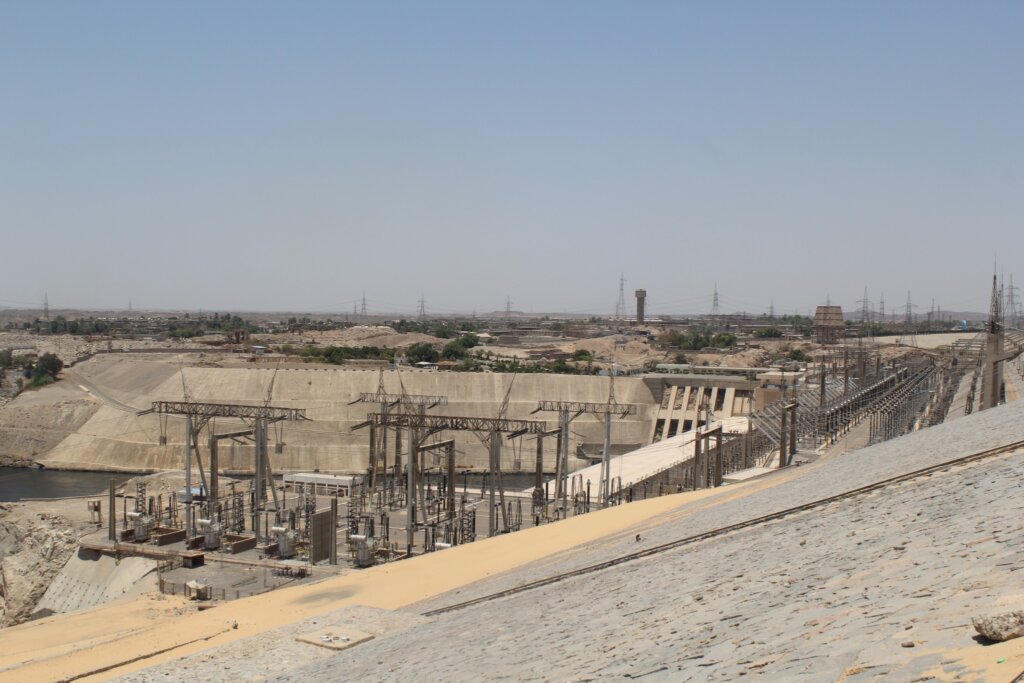
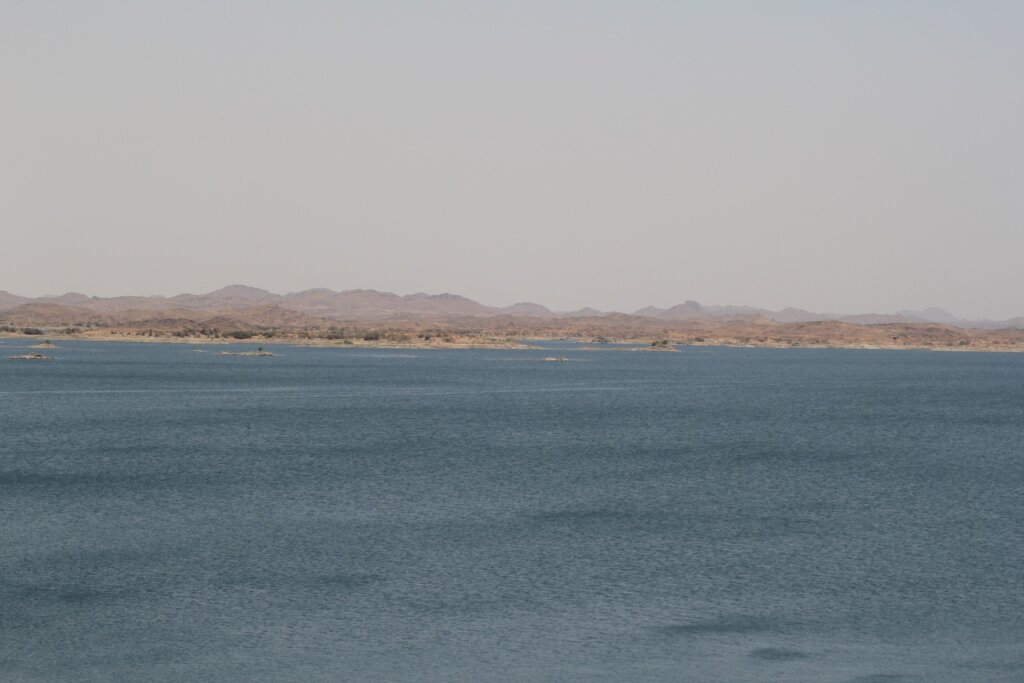
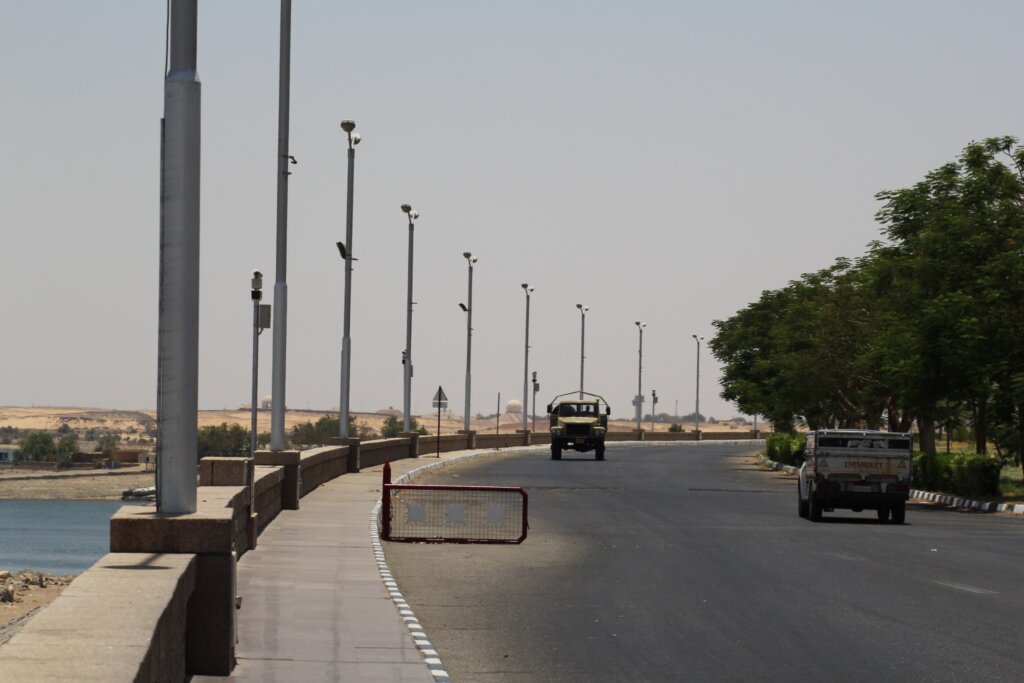
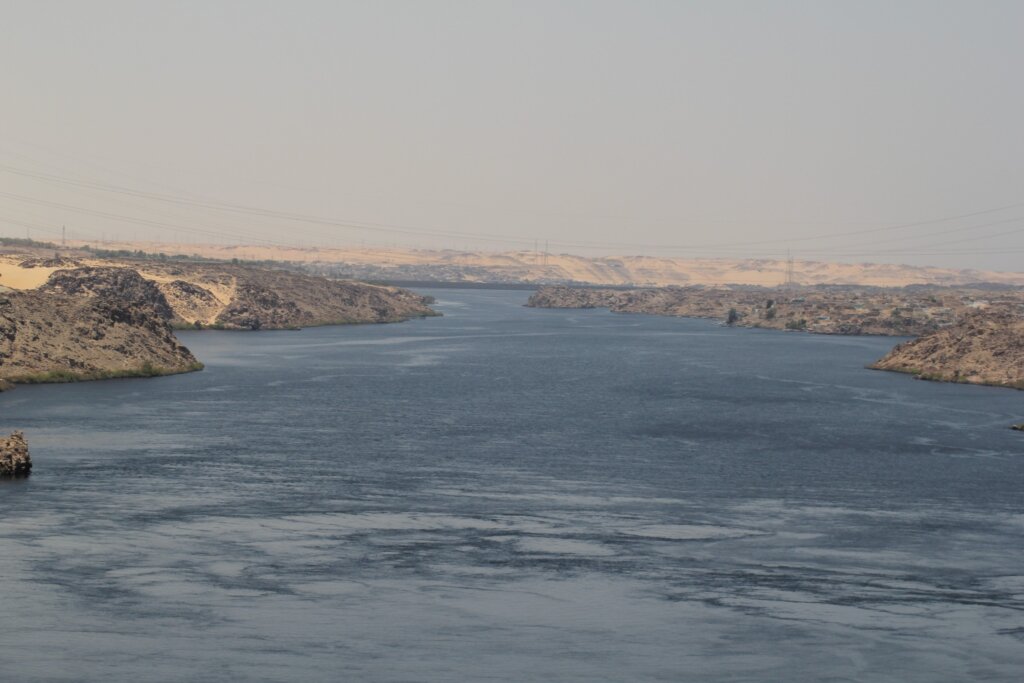
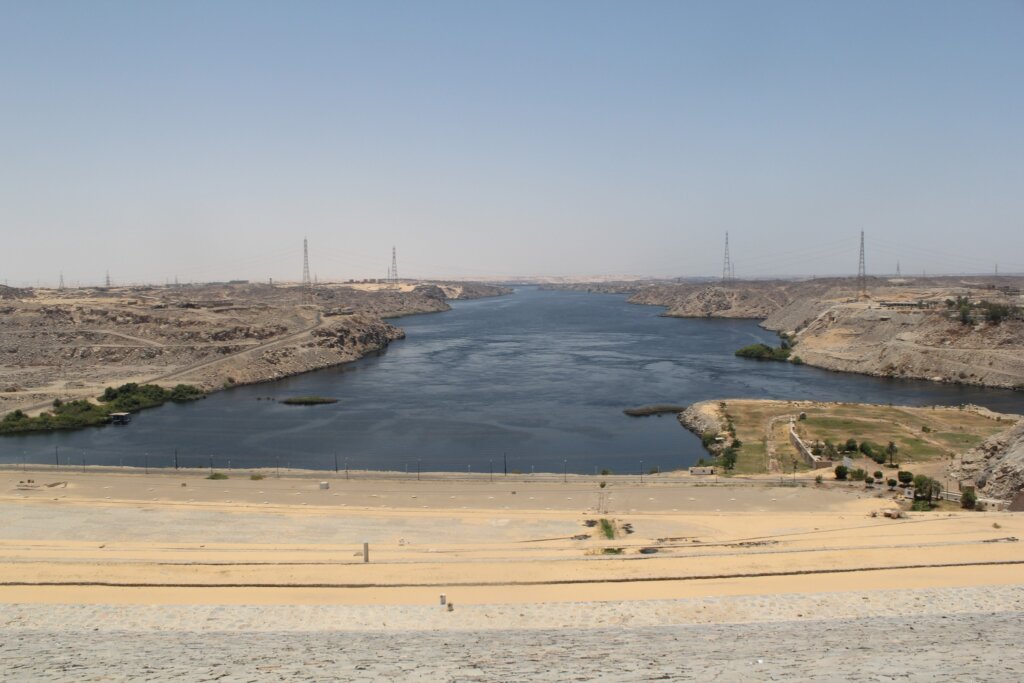
Driving across the dam itself was surreal. It stretches nearly 3.6 kilometers, and the road we were on ran right along the top. On one side, you have Lake Nasser, a massive body of water that didn’t exist before this dam. It was formed as the Nile backed up and pooled behind the barrier. It’s nearly 500 km long, and its blue expanse sharply contrasts the surrounding desert—it’s even visible from the sky.
The Nile Valley is the birthplace of ancient Egyptian civilization, made possible by the Nile’s seasonal flooding. But as cities grew, so did the need for flood control, irrigation, and electricity. That’s how the High Dam came to be—built over 10 years and completely transforming the landscape, economy, and history of this region.
Sadly, many villages were submerged, and historical sites like Abu Simbel had to be relocated with help from UNESCO. Despite its controversies, the dam now provides hydroelectric power, regulates Nile flooding, and ensures year-round irrigation.
Events
- Explored the top of the Aswan High Dam by car
- Saw Lake Nasser stretching into the horizon
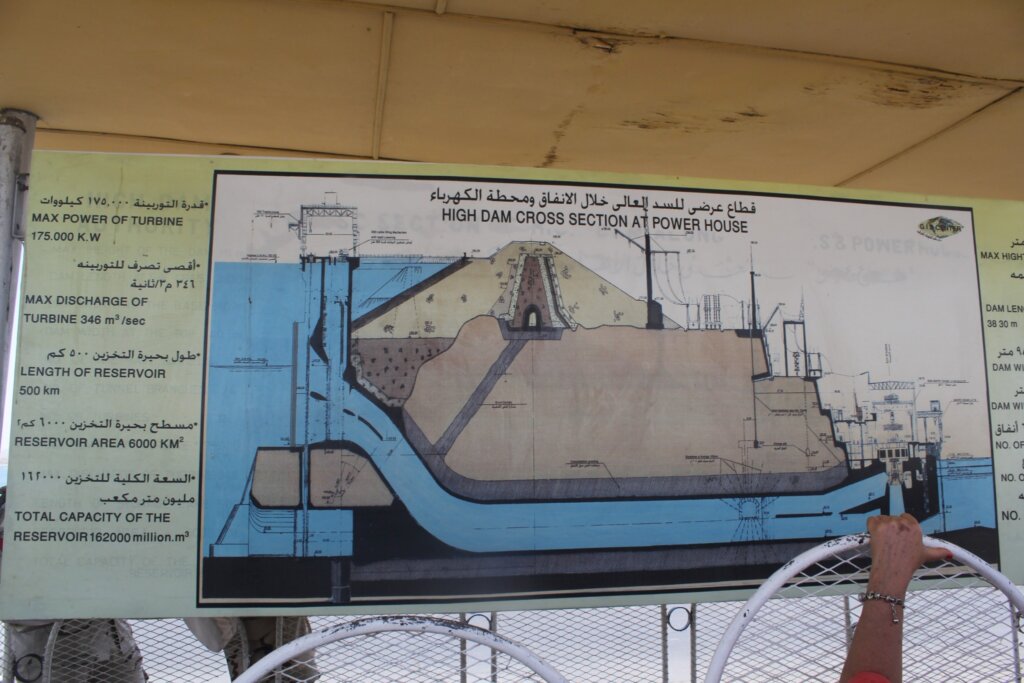
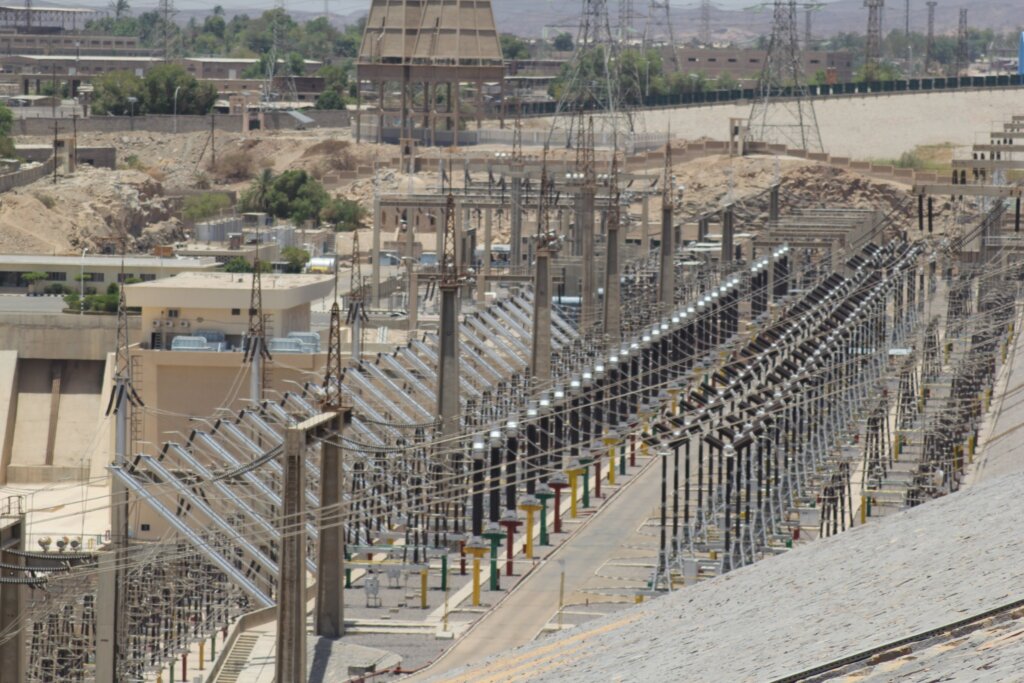
- Spotted hydroelectric installations and learned about water flow systems
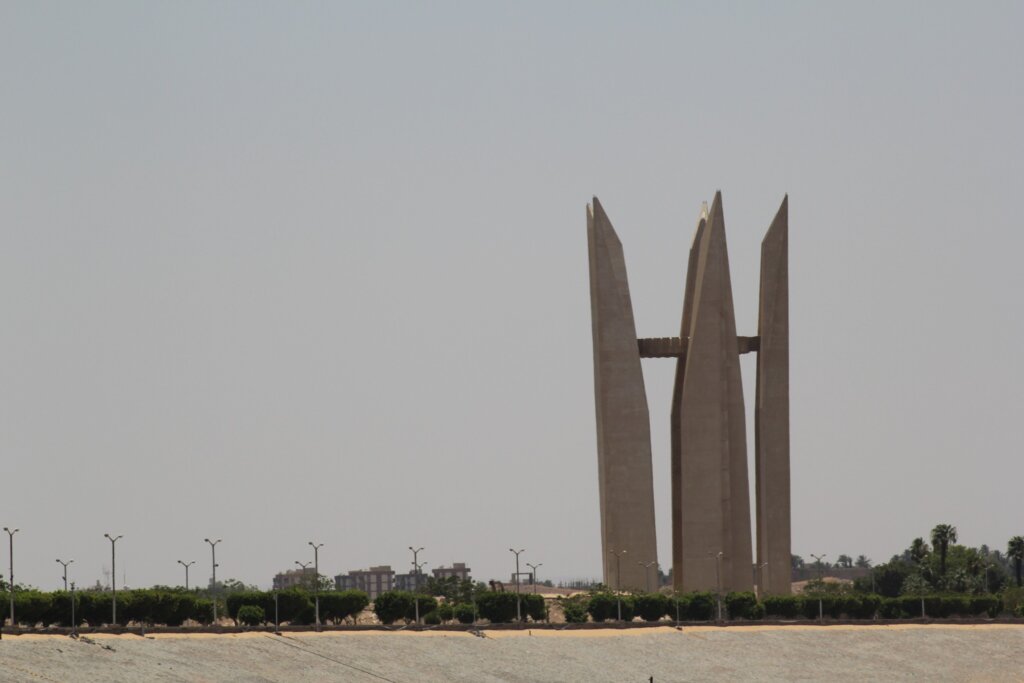
- Viewed the Aswan High Dam Monument
- Escaped the sun by returning to the car earlier than planned
Tips for Traveling with a Baby
Traveling with a baby in Egypt during peak summer heat is no joke. At Aswan High Dam, the temperature made us seriously consider skipping the walk entirely. Here’s how we managed:
- Stay in the shade as much as possible: The Egyptian sun is brutal. We kept Sweetie in the car with Julie while I took a quick look around.
- Hydration is everything: We always carried a thermal bottle with cool water just for Sweetie. Electrolyte powder for us grown-ups came in handy too.
- Know when to call it quits: Sometimes you don’t need to see every corner of a site. With Sweetie getting restless, we cut our time short and headed back to the car before it got too uncomfortable.
- Plan visits around the sun: Early morning or just before sunset is ideal. We didn’t have much choice due to the tour schedule, but if you do, avoid midday!
Being flexible with a baby isn’t just helpful—it’s survival. The itinerary might say one thing, but Sweetie says another, and we listen to her first.
Local Travel Tips
- Ticket booths are hard to find: They’re often small, unmarked, and in odd places—like a random shipping container.
- Wear breathable clothing and bring hats: The sun is harsh, especially with minimal shade around the dam.
- Lake Nasser is worth a moment: Even if you’re just passing through, stop and appreciate the contrast between blue water and golden desert.
- Combine visits wisely: Many tour operators group Abu Simbel and Aswan High Dam in one day. It’s long but efficient if you’re short on time.
- Engage with the history: It’s not just concrete and turbines. The dam is key to understanding modern Egypt.
Travel Reflections
Looking back, the Aswan High Dam wasn’t the most visually thrilling stop, but it made me think deeply about infrastructure, history, and progress.
It reminded me that every place has a role in the bigger picture—even if it doesn’t shine on Instagram.
We don’t just want Sweetie to see beautiful places. We want her to grow up understanding the world’s challenges, innovations, and the cost of development.
It wasn’t glamorous, but it was real. And sometimes, that’s what world travel with a baby is all about.



Leave a Reply