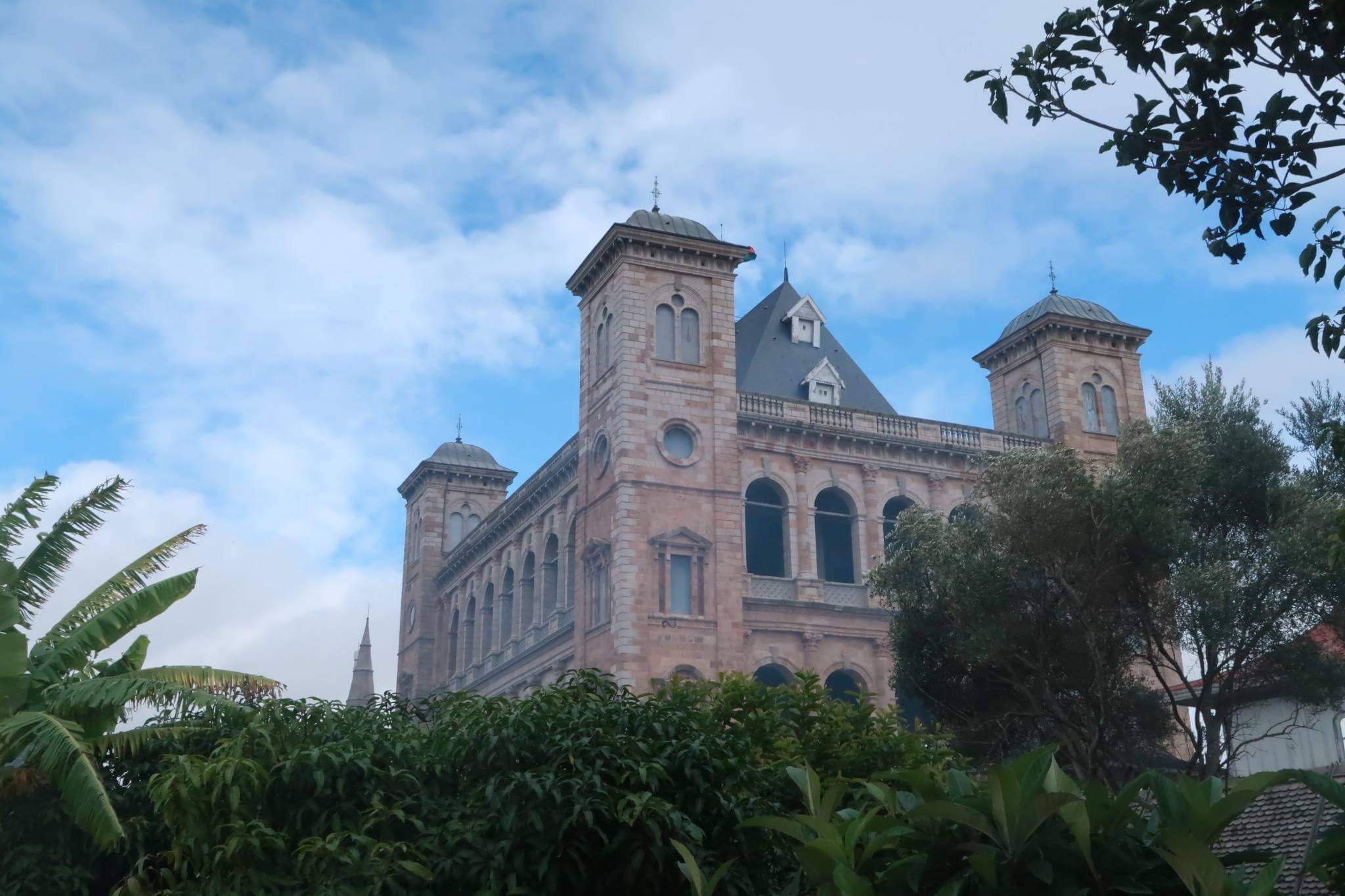
Explore Rova, the Queen’s Palace in Antananarivo, Madagascar. Discover its rich history, hidden stories, and tips for visiting with a baby.
Table of Contents
- Main Journey
- Events
- Tips for Traveling with a Baby
- Local Travel Tips
- Travel Reflections
1. Main Journey
Arriving at Rova, the Historic Queen’s Palace
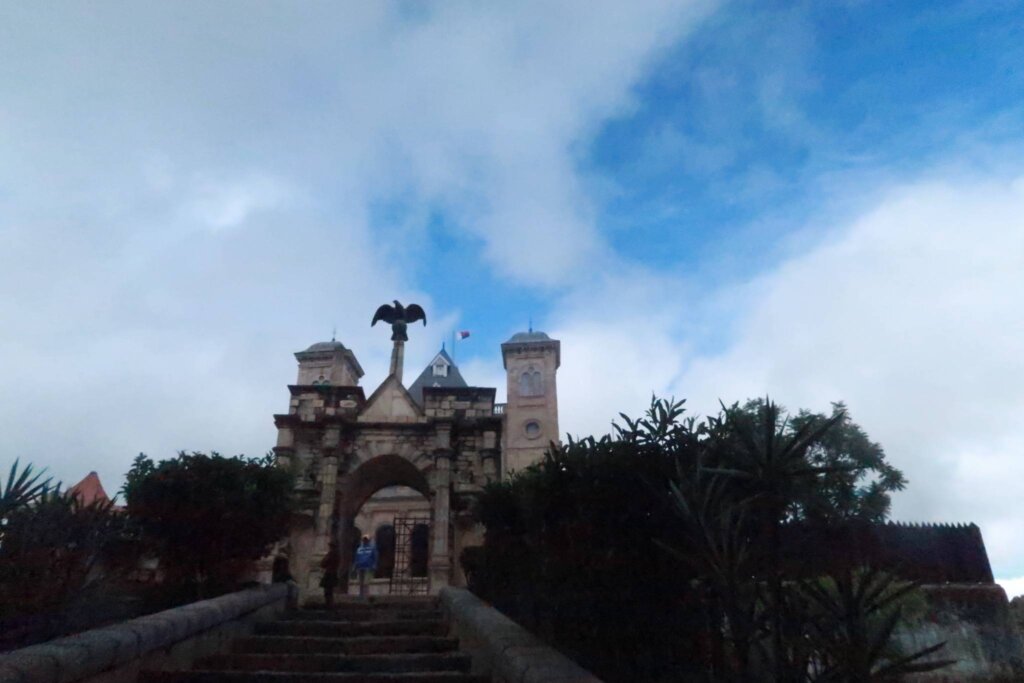
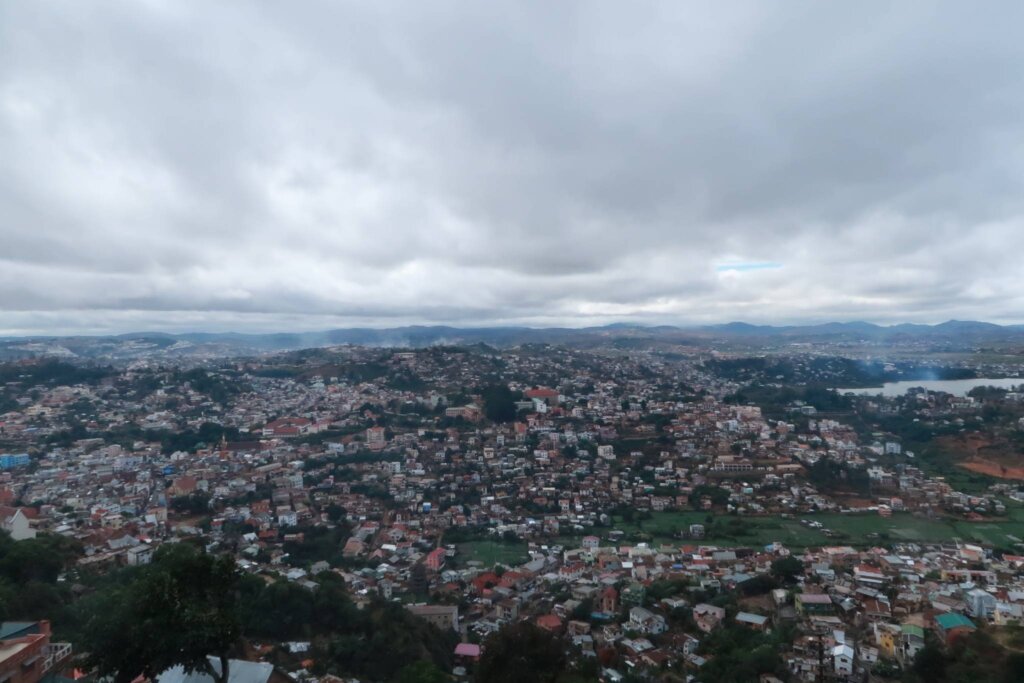
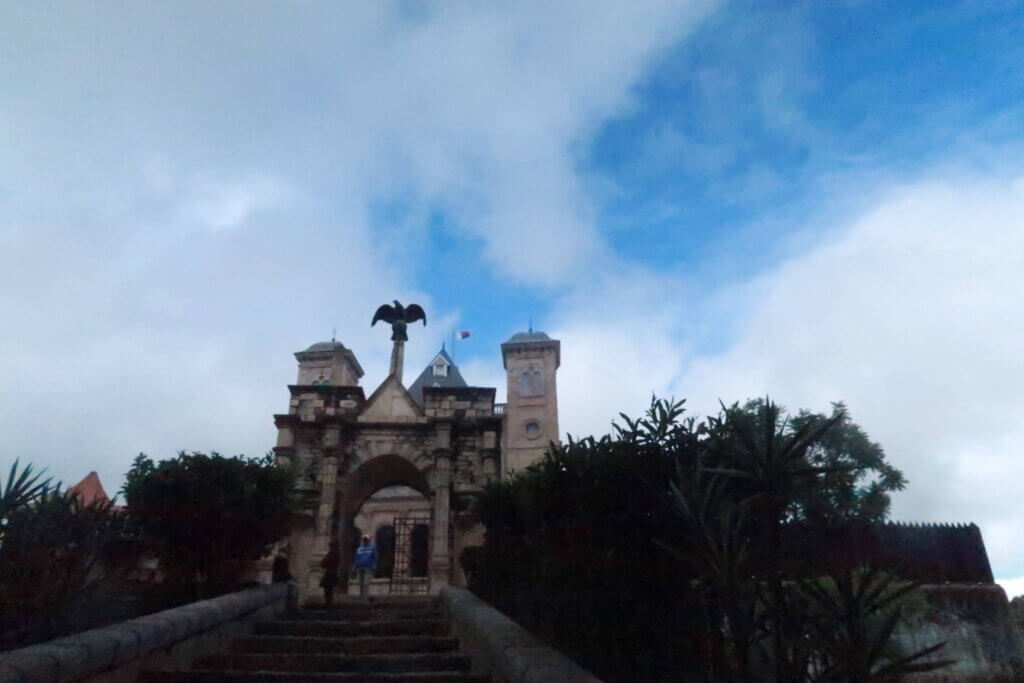
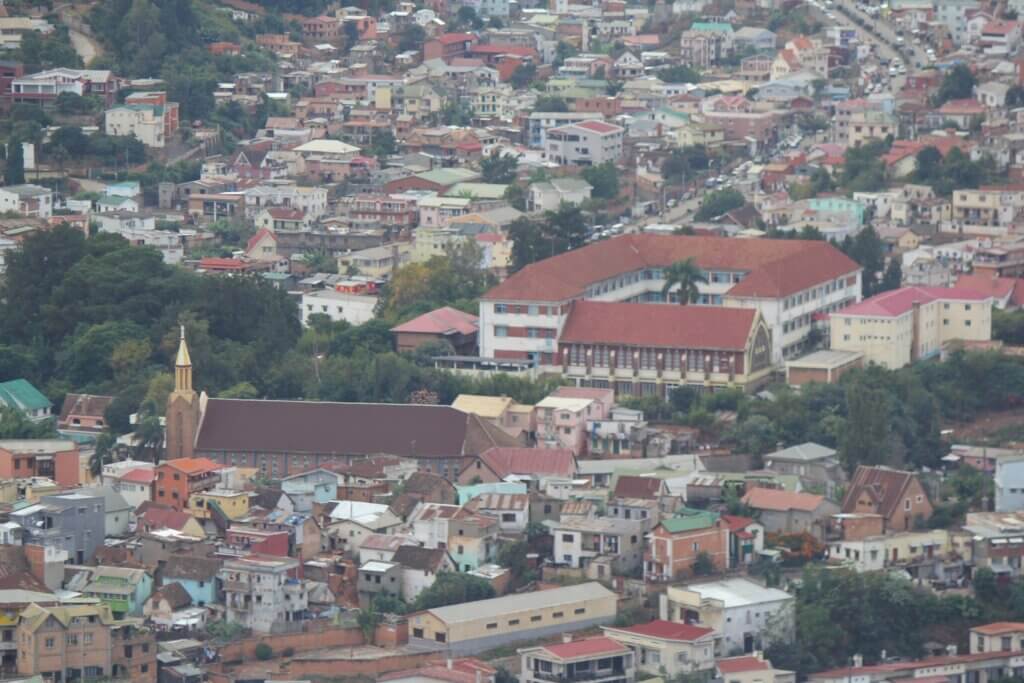
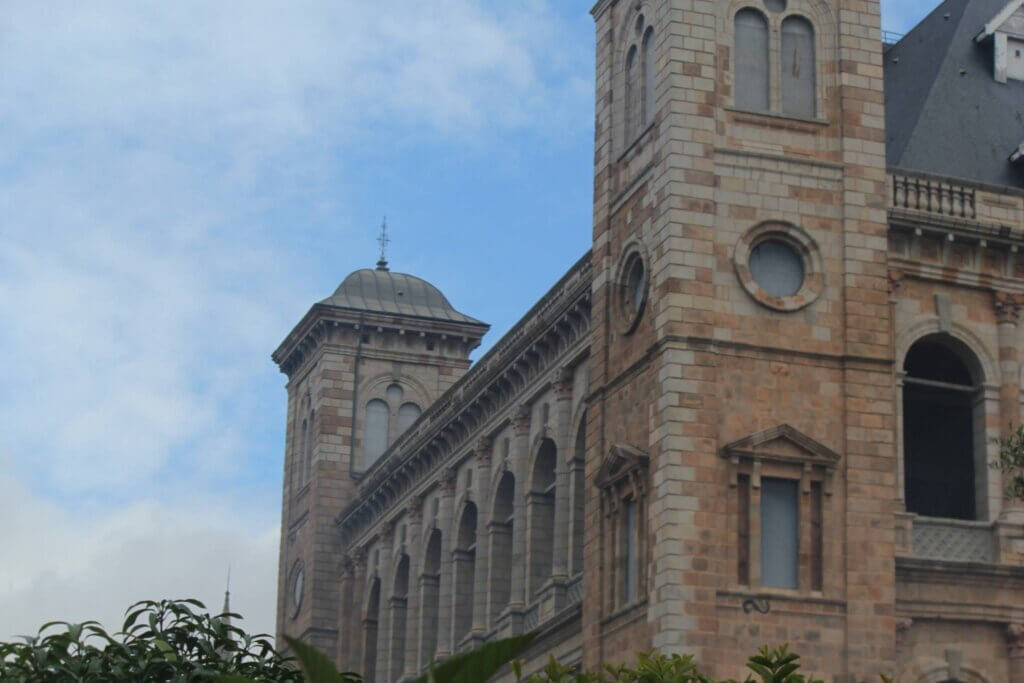
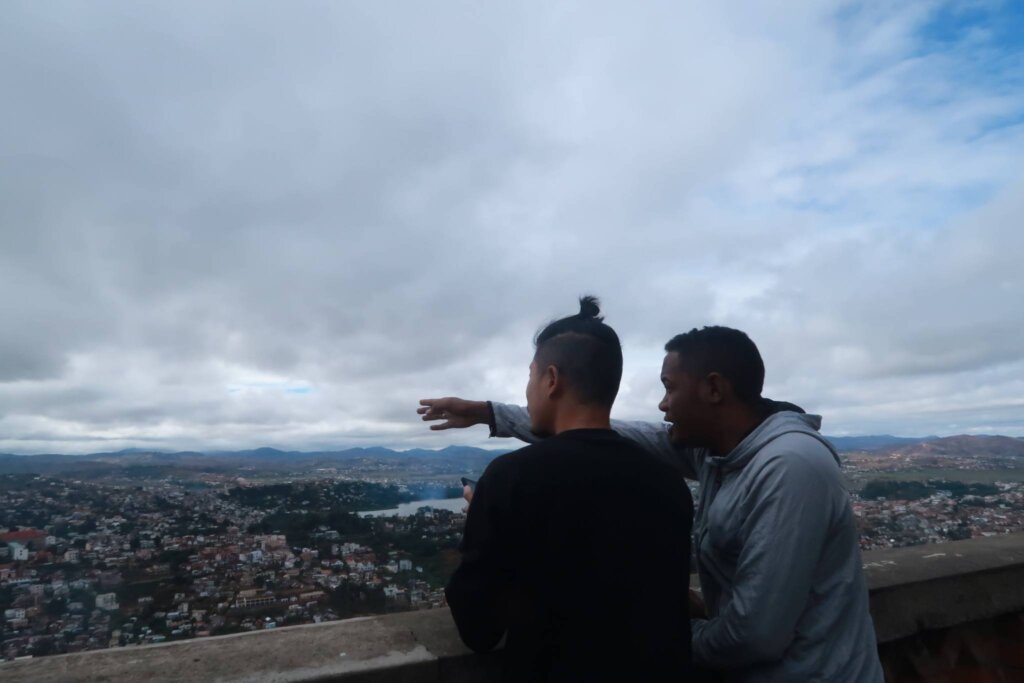
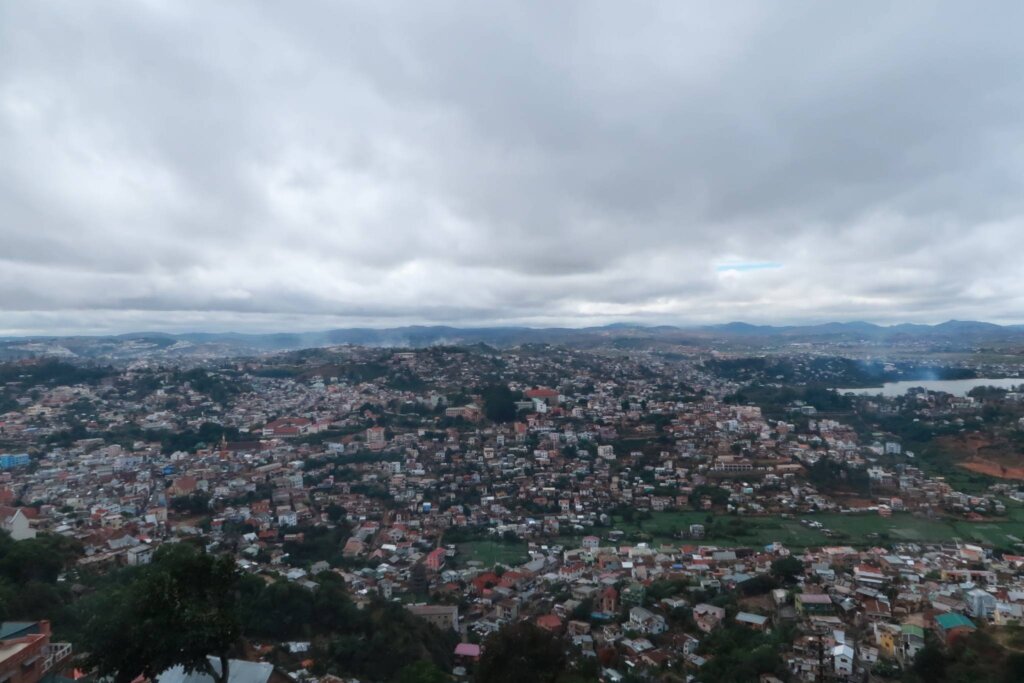
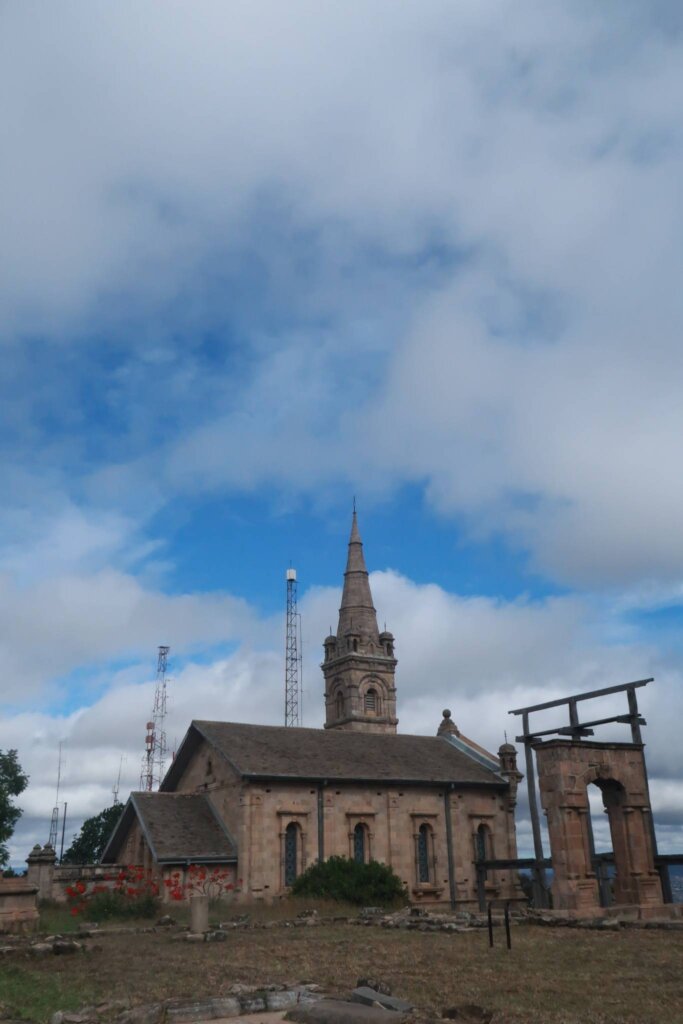
After exploring various parts of Antananarivo, we arrived at Rova, also known as Queen’s Palace. Perched on the highest hill in the city, the palace is visible from almost anywhere. It was one of the places I was most excited to visit.
Since it’s hard to access on foot, there were very few tourists. Without our rental car, it would have been quite difficult to get here.
Entrance & Mandatory Guide
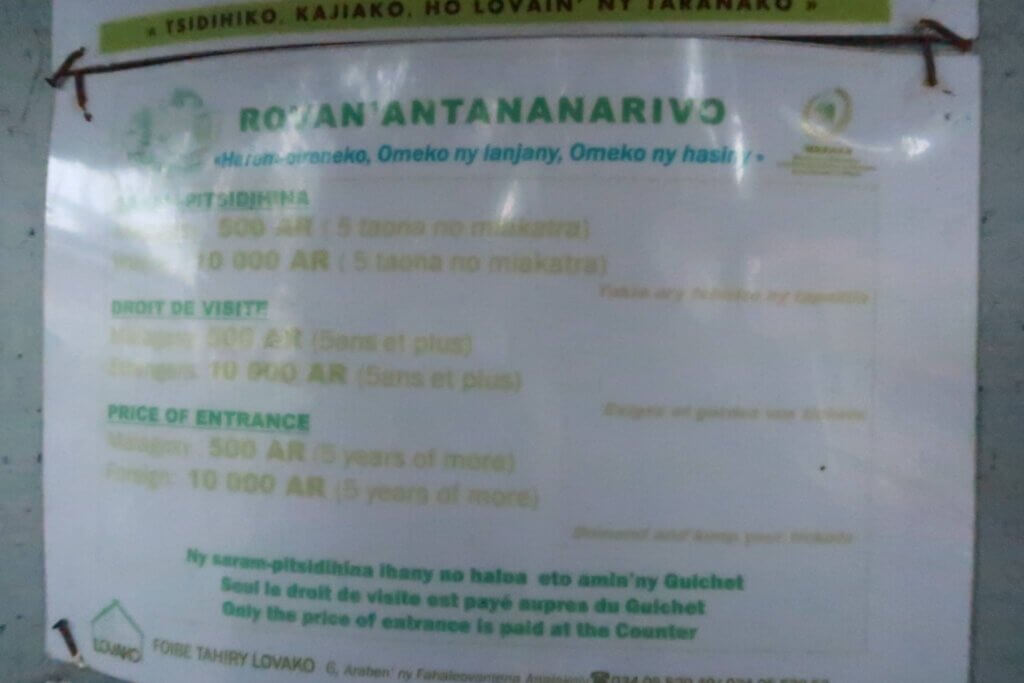
- Entrance Fee: 10,000 Ariary per person
- Guide Requirement: Mandatory (20,000 Ariary for 1–3 people, so we paid 40,000 Ariary for two)
We initially wanted to explore on our own, but a sign at the ticket office made it clear that hiring a guide was required.
Exploring the Palace Grounds
As we climbed the stone steps to enter, the first thing we saw was a phallic stone monument. The guide explained that it symbolized prosperity for the royal family and was connected to a traditional male circumcision ritual in Madagascar.
Not exactly the kind of introduction we were expecting.
Royal Tombs & Palace History
The tombs of Radama II and Queen Rasoherina stood inside the palace grounds. In Madagascar’s royal burial tradition, the bodies are buried underground, but their spirits are believed to reside in a house built above.
This reminded me of the Taj Mahal, one of the few places where a king and queen were buried together. In most royal tombs around the world, kings and queens are separated, even in death.
A Strength Test for the Queen’s Guards
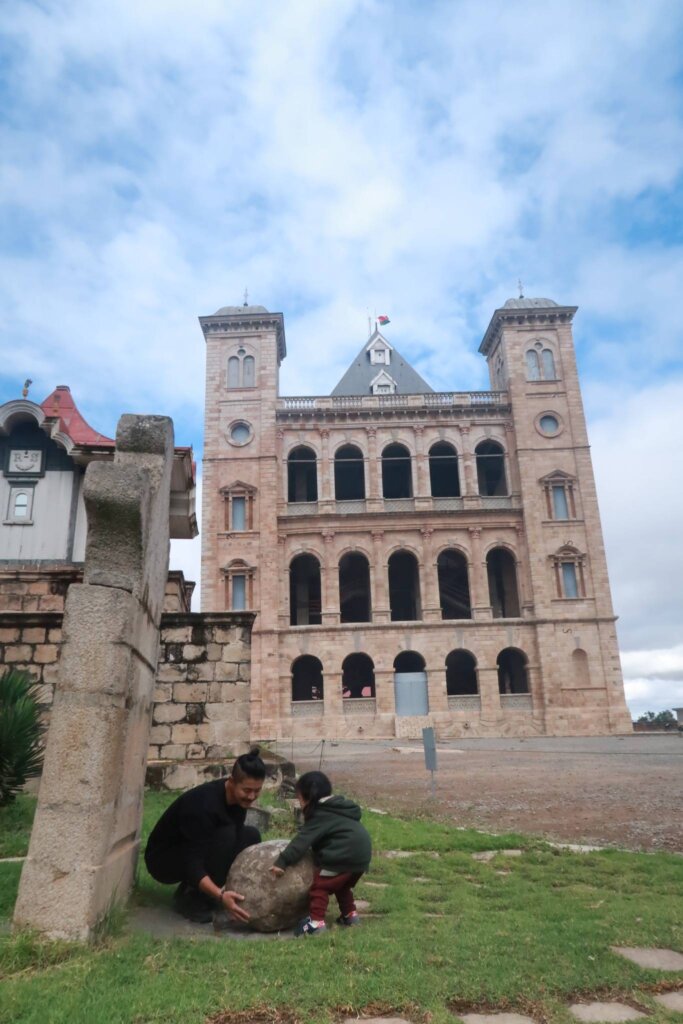
In front of a large round stone, the guide told us about an old custom for selecting the queen’s bodyguards. Any soldier who could lift this massive stone would immediately be promoted to the highest guard rank.
Sweetie and I pretended to lift it, laughing as we imagined what would happen if we actually succeeded.
Why It’s Called the Queen’s Palace
In most cultures, the word “Queen” refers to the wife of a king. But in Madagascar, “Queen” meant the supreme ruler. The queen held the highest power, and even the kings lived in her palace.
That’s why Rova is also called the Royal Palace and why it was built on the highest point in the city.
The Tragic Fire & Lost Royal Library
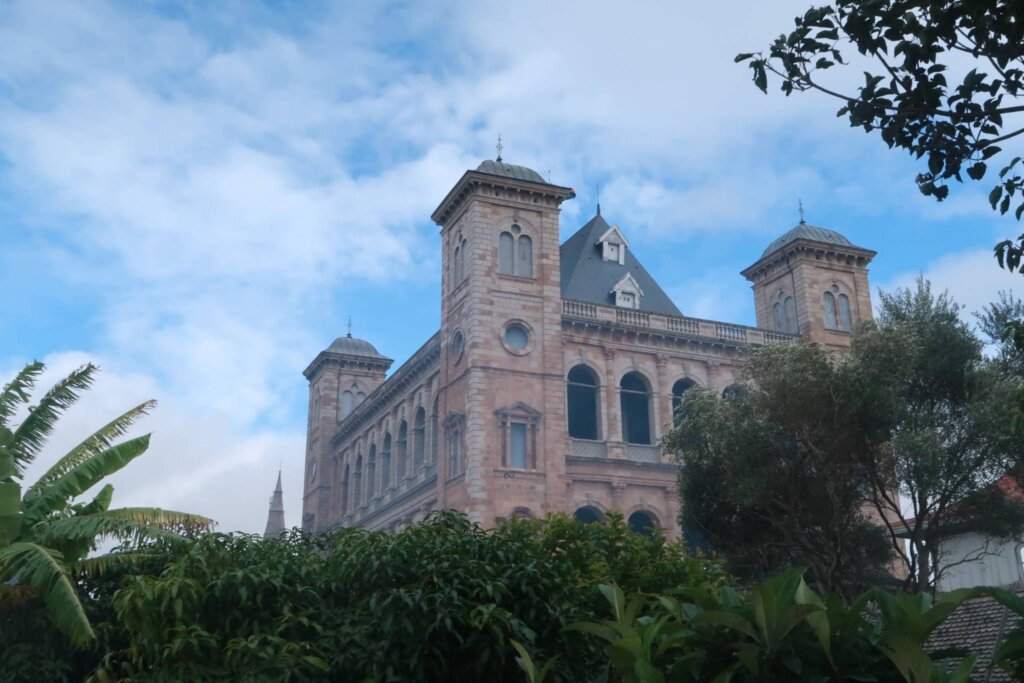
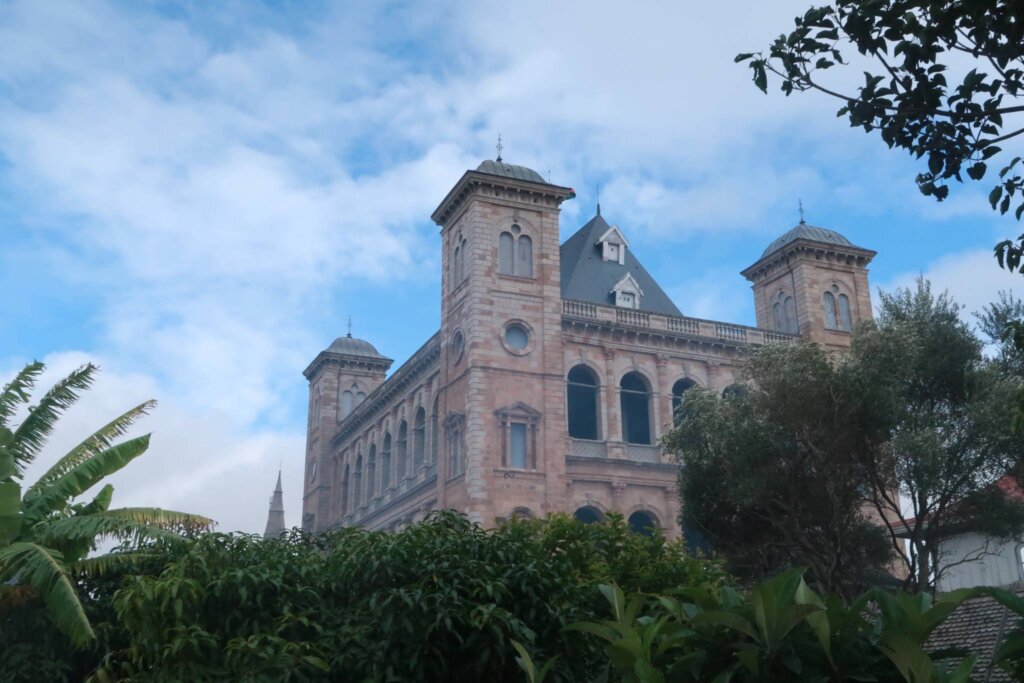
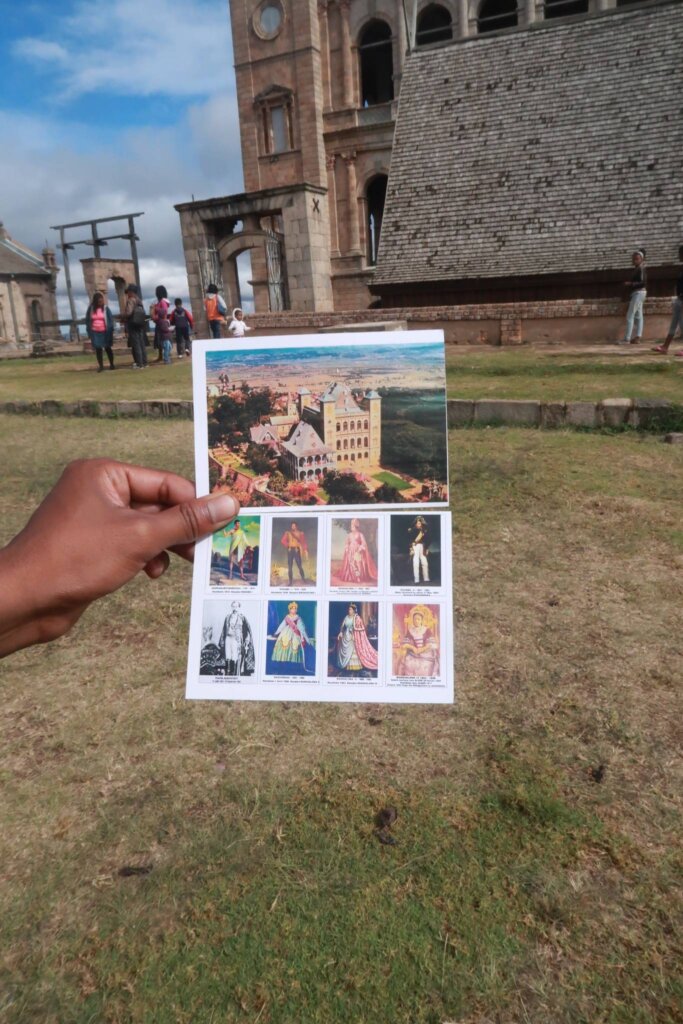
While walking through the palace ruins, we realized the inside was completely empty. The guide explained that 22 years ago, a massive fire destroyed the entire structure.
Originally, the second floor housed the royal library, filled with valuable historical documents. The fire burned down everything, leaving only the stone pillars and exterior walls.
Efforts to restore the palace began in the early 2000s, but political conflicts halted the project, leaving the palace in its current state of ruin.
2. Events
A Nation’s First Stone Building
Rova was the first structure in Madagascar built with stone, following British architectural influences. Before this, all buildings were made of wood.
British Influence & Anti-French Sentiment
Madagascar has a unique relationship with Britain and France. While France colonized Madagascar, Britain helped modernize the country without colonial rule. Because of this, many Malagasy people dislike France but still respect Britain.
Our guide, for example, proudly stated that he loved the British-inspired palace design but had no fondness for the French.
Madagascar’s Shift to the Latin Alphabet
Originally, the Malagasy language used a script influenced by Hindu characters. However, in 1823, King Radama I decided to change the writing system to a Latin-based alphabet to make it easier to translate the Bible into Malagasy.
A stone monument inside the palace commemorates this decision.
Traditional Malagasy Houses
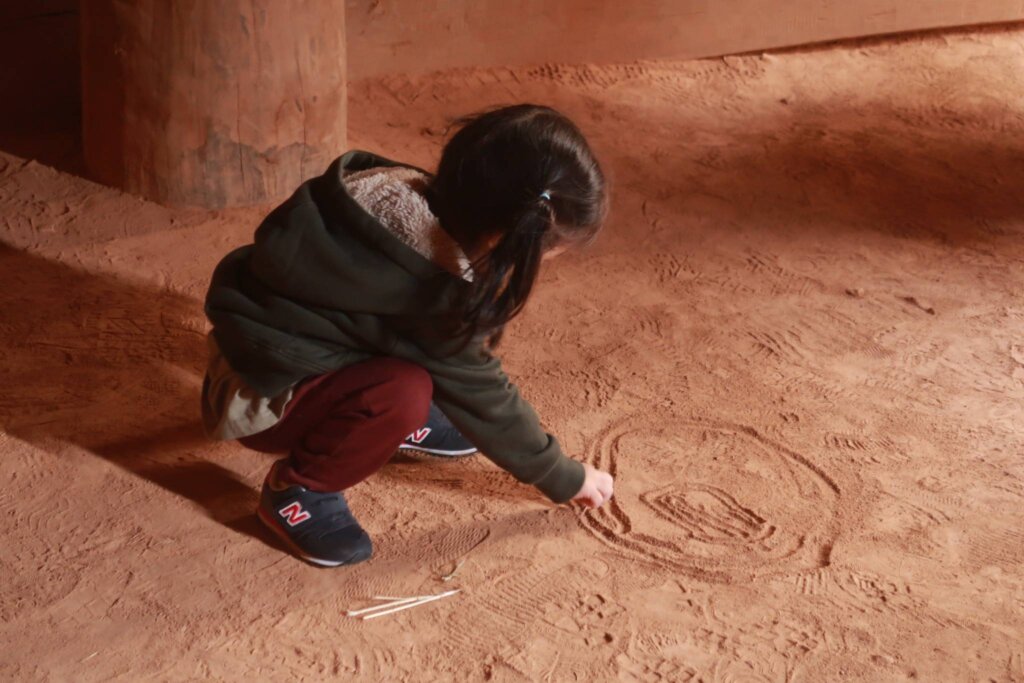
Inside the palace grounds, we entered a traditional Malagasy house, which had no separate rooms. Instead, the four corners of the house were divided into living areas.
This design originated from Malaysia, reflecting Madagascar’s ancient cultural connections with both Africa and Southeast Asia.
3. Tips for Traveling with a Baby
A Rental Car is Essential
The palace is on a steep hill and difficult to reach on foot. Public transport options are limited, so renting a car is the best choice.
Limited Facilities for Babies
There are no restrooms or baby-changing stations inside the palace. There are also no restaurants or cafes nearby, so bring food and water.
Be Prepared for Unusual Stories
The guided tour includes cultural traditions that may be unexpected. Some parts of the tour, like the phallic stone and circumcision customs, may be awkward to explain to older children.
Keep an Eye on Your Baby
The palace grounds have uneven stone steps and open areas. If your child is active like Sweetie, be prepared for lots of running around.
4. Local Travel Tips
Extreme Wealth Gap
Madagascar has a huge gap between rich and poor. On one side of the street, homeless people knock on car windows for money, while on the other side, luxury cars like Porsches drive past them.
The Dilemma of Giving
We gave small donations, but it felt like a drop in the ocean. While foreign aid helps, real change must come from within—especially from the wealthy elites and French expatriates who dominate the economy.
Political Issues Delay Palace Restoration
The government started restoration work in the early 2000s, but political conflicts stopped progress. Hopefully, the situation improves so the palace can be fully restored.
5. Travel Reflections
A Unique Blend of British & Malagasy Cultures
Rova is a perfect example of Madagascar’s mix of influences—British architecture, traditional Malagasy houses, and even traces of Southeast Asian culture.
The Tragedy of Lost History
It’s heartbreaking to think that centuries of historical records were lost in the fire. Madagascar’s history is already underrepresented globally, and this loss made it even worse.
A Special Family Memory
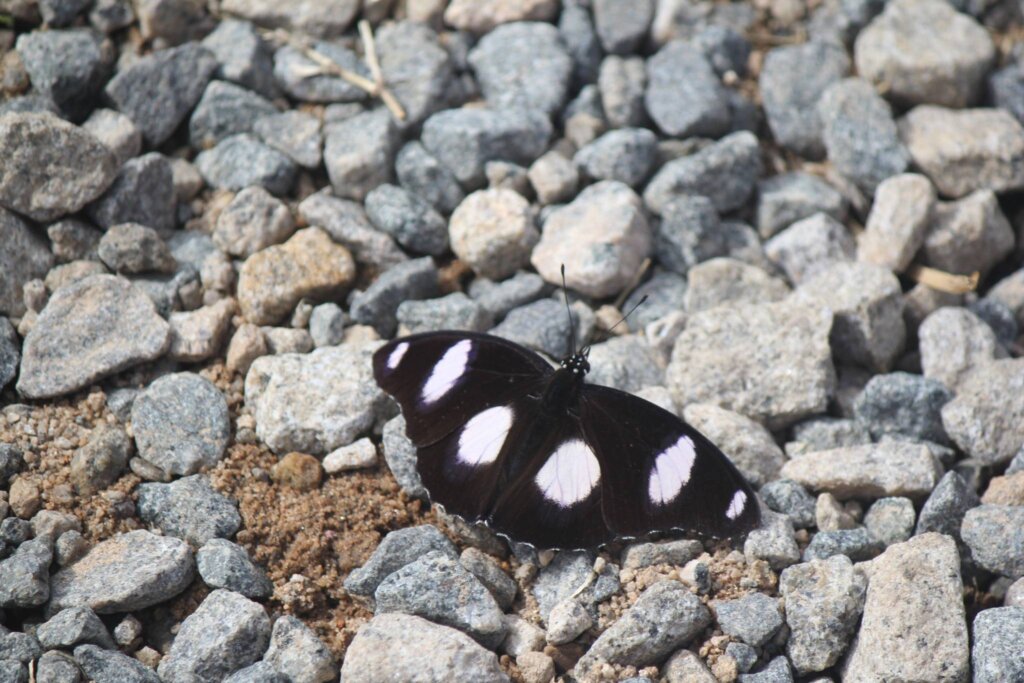
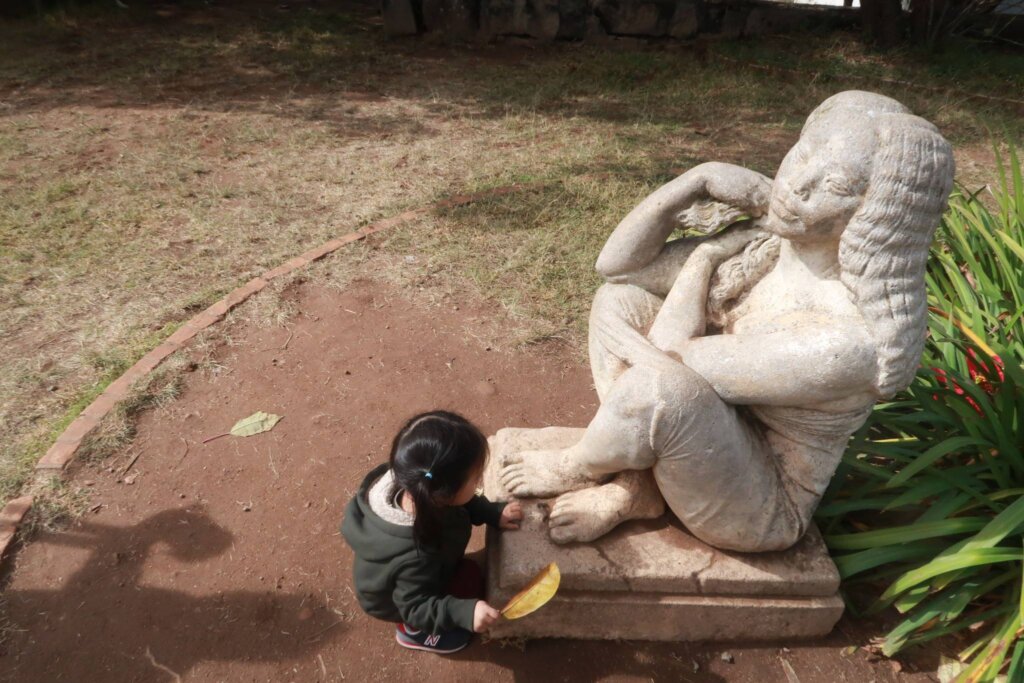
Watching Sweetie play in the ruins, trying to lift the giant stone, and chasing butterflies made this a truly unforgettable experience. It was a beautiful mix of history, adventure, and family fun.
Madagascar’s Queen’s Palace is a place filled with history, culture, and breathtaking views. Getting there requires some effort, but the experience is well worth it. Hopefully, in the future, the palace will be fully restored, preserving its stories for generations to come.



Leave a Reply