Discover Madagascar’s Andasibe Vakona Forest, where you can meet lemurs, crocodiles, fossas, and unique plants. A must-visit !
Table of Contents
- Main Journey
- Events
- Tips for Traveling with a Baby
- Local Travel Tips
- Travel Reflections
Main Journey
After meeting the lemurs, we got back into the car, thinking the tour was over. But to our surprise, there was another part of the tour waiting for us—an area where we could see crocodiles, fossas, ducks, turtles, and more.
A Second Stop in Vakona Forest
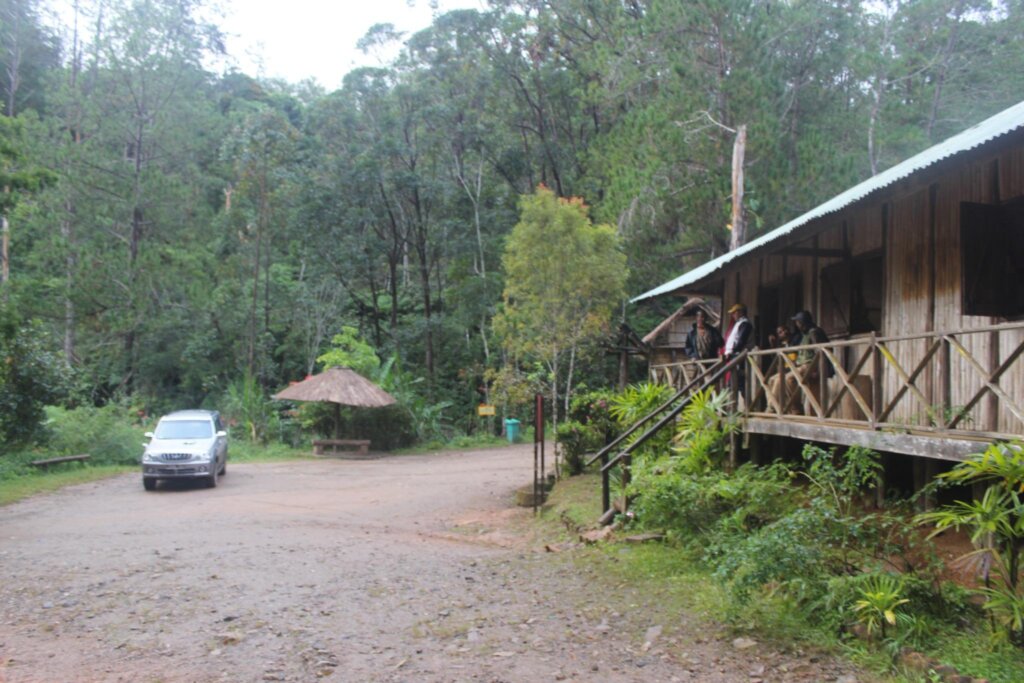
From the lemur area, we took a short drive through the forest before getting out and walking towards the crocodile habitat.
The moment we saw the crocodiles, Sweetie was thrilled.
Events
Singing About Crocodiles
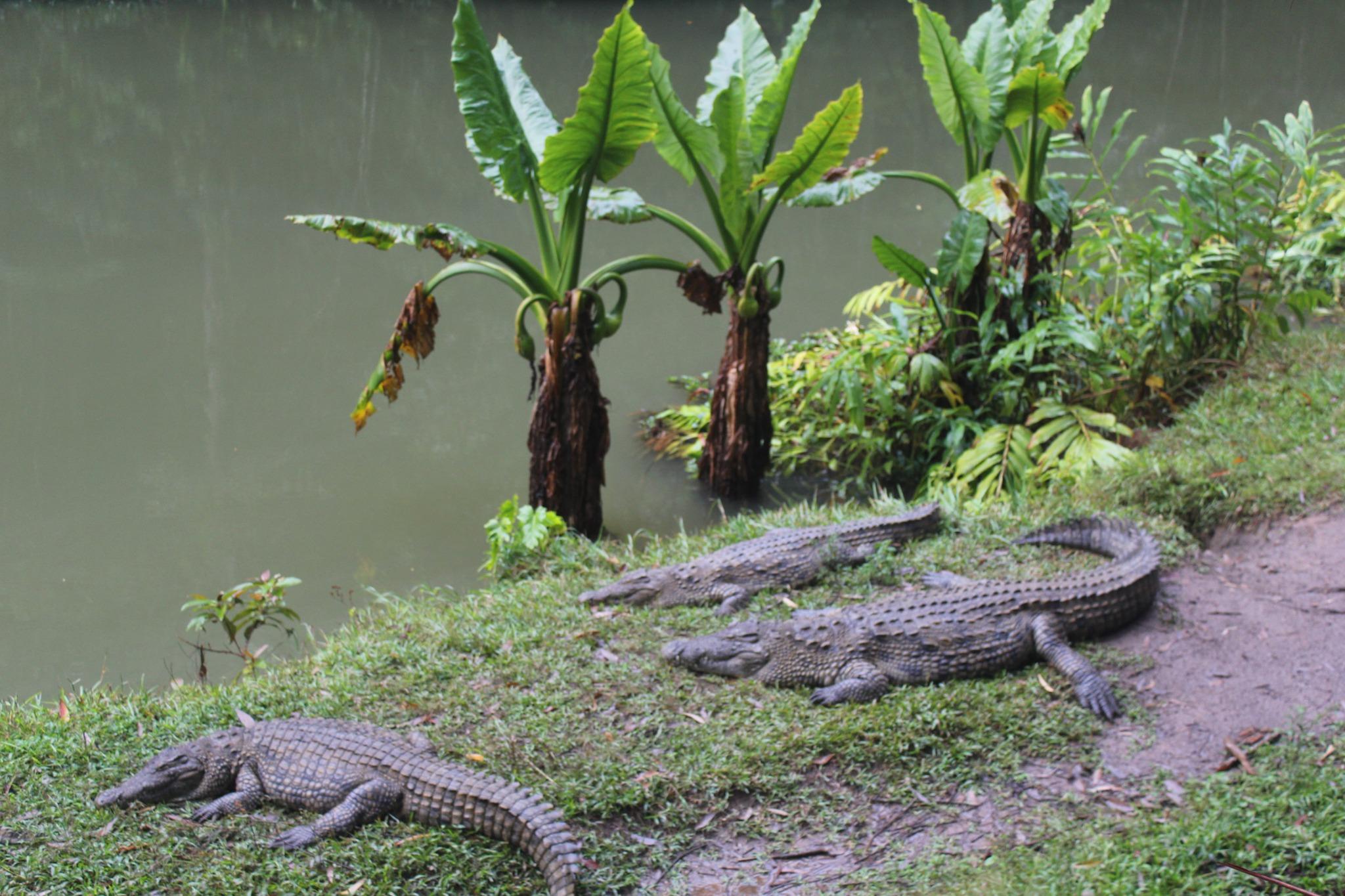
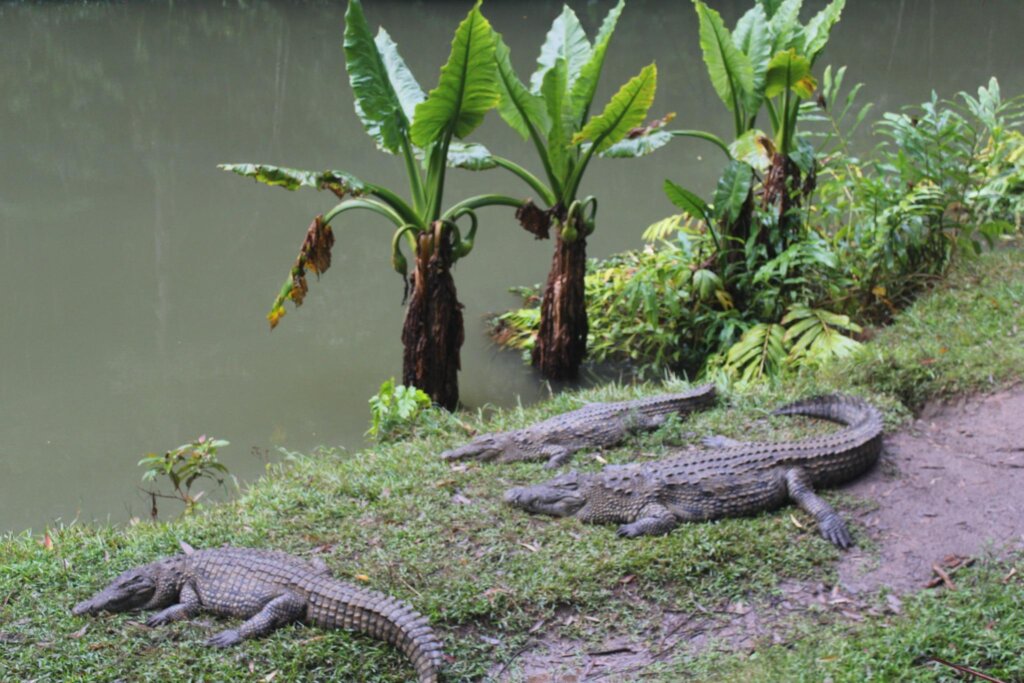
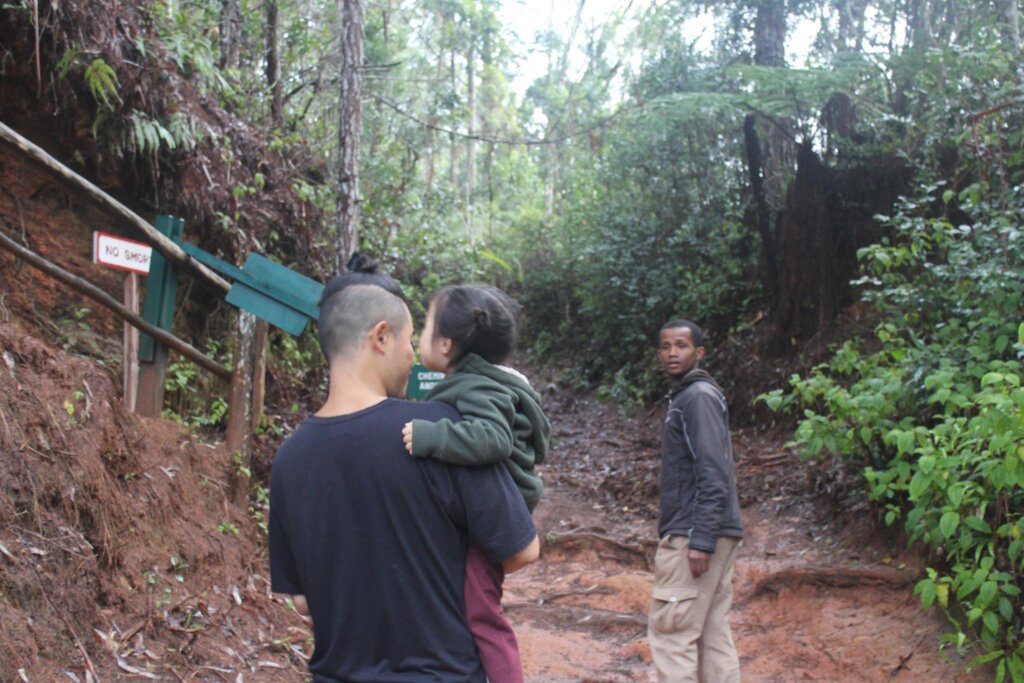
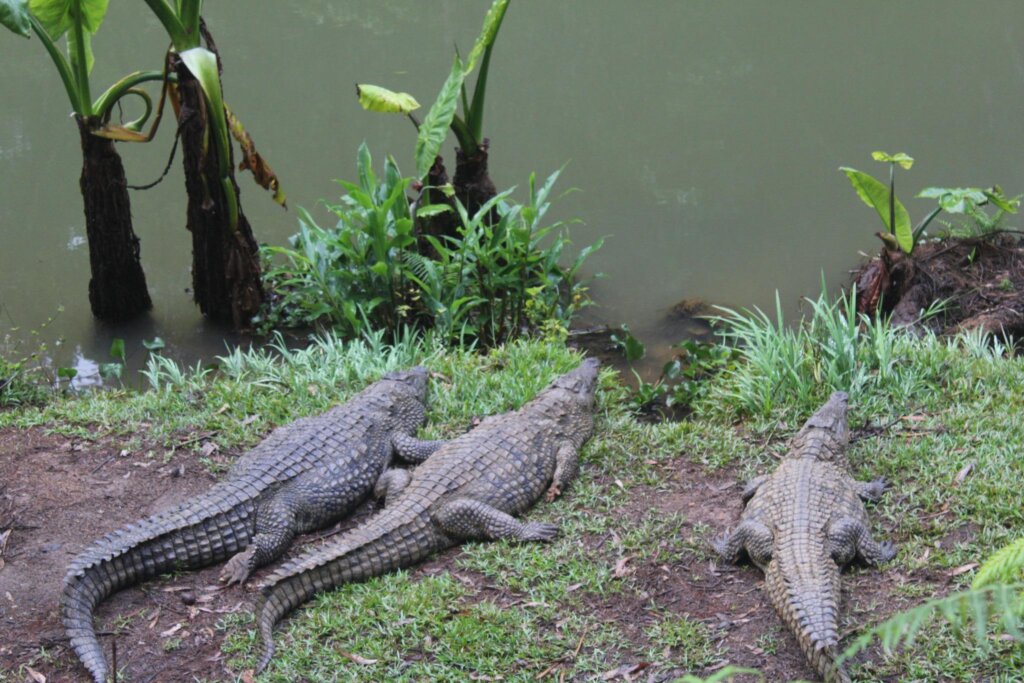
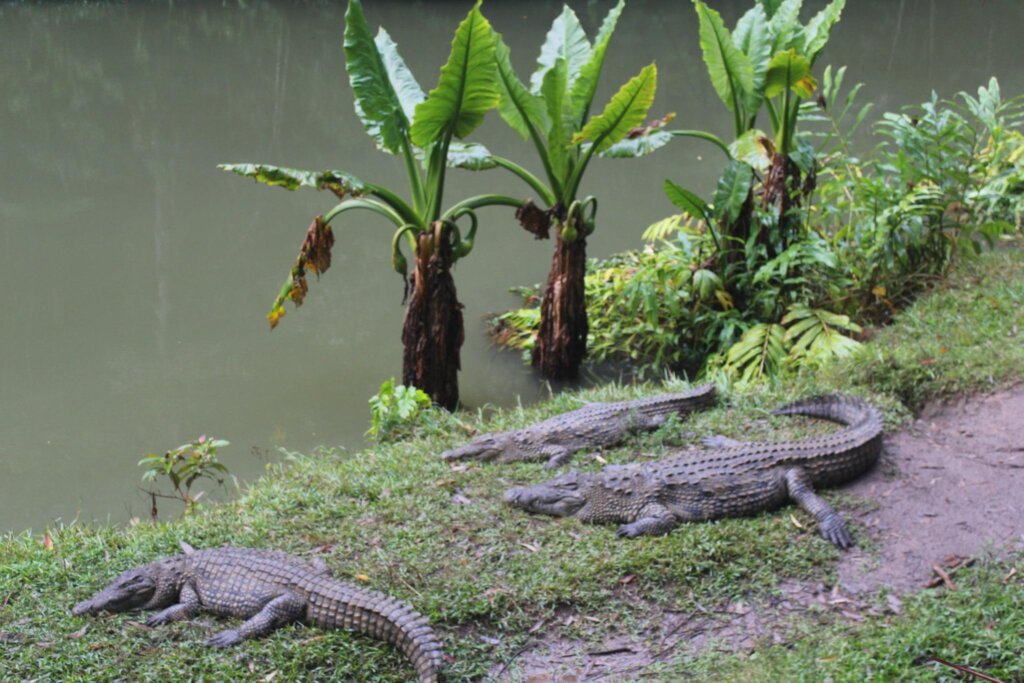
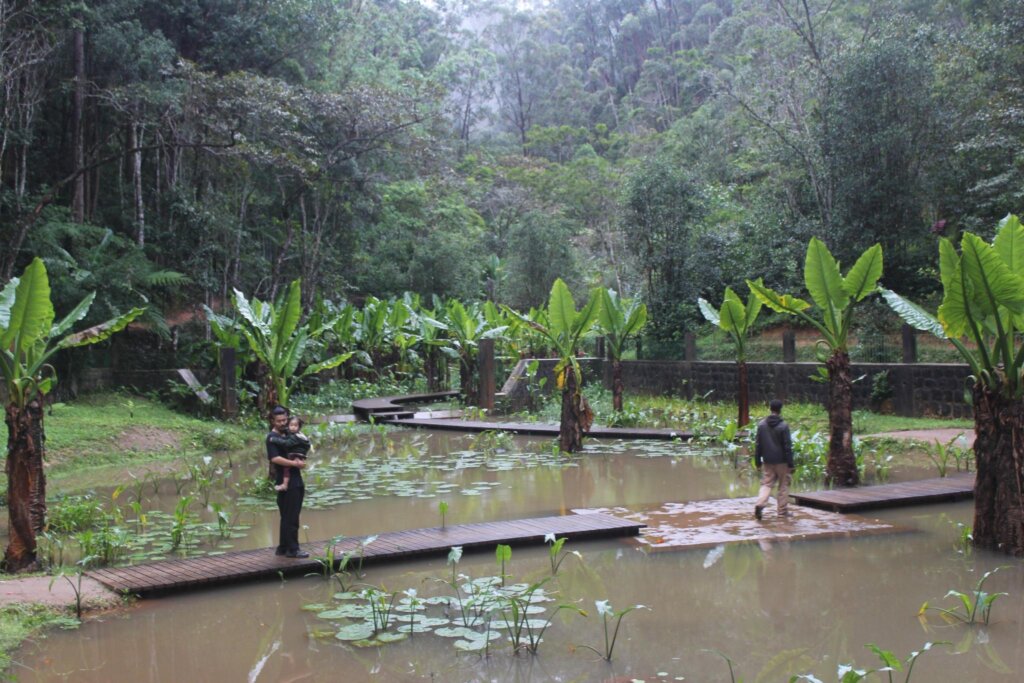
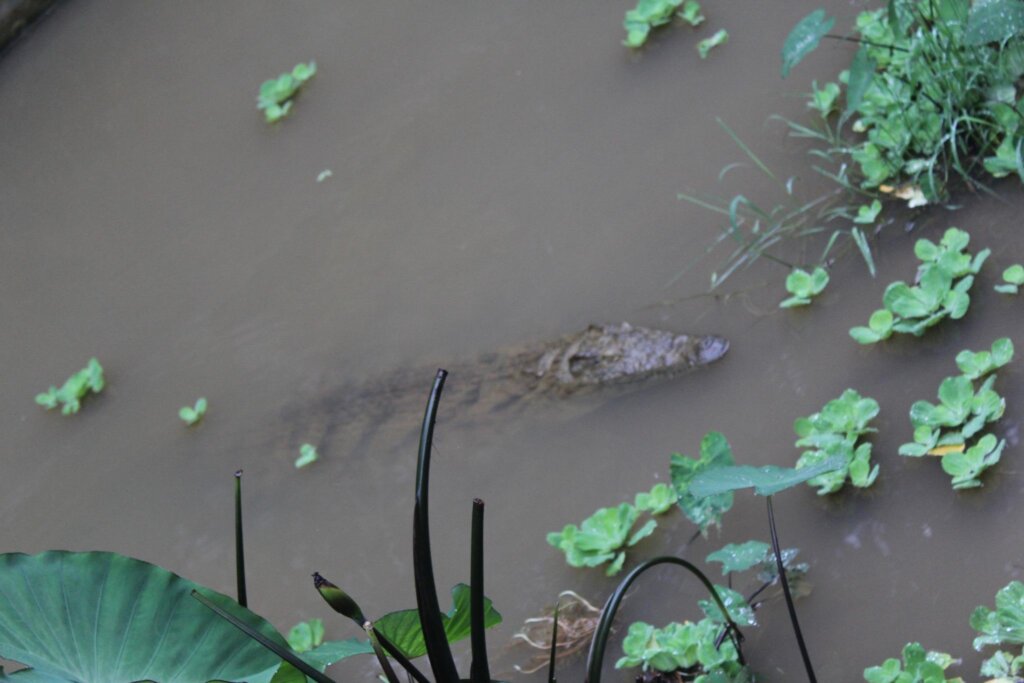
As we walked deeper into the jungle, crossing wetlands and wooden paths, we spotted a group of crocodiles resting near the water.
Sweetie, who loves the children’s song about crocodiles, got so excited that she started singing it by herself.
As parents, we knew not to sing along or interrupt—letting her remember the lyrics and finish the song on her own was part of the fun. When she reached the final part of the song, she proudly shouted, “Crocodiles!!” at the top of her lungs.
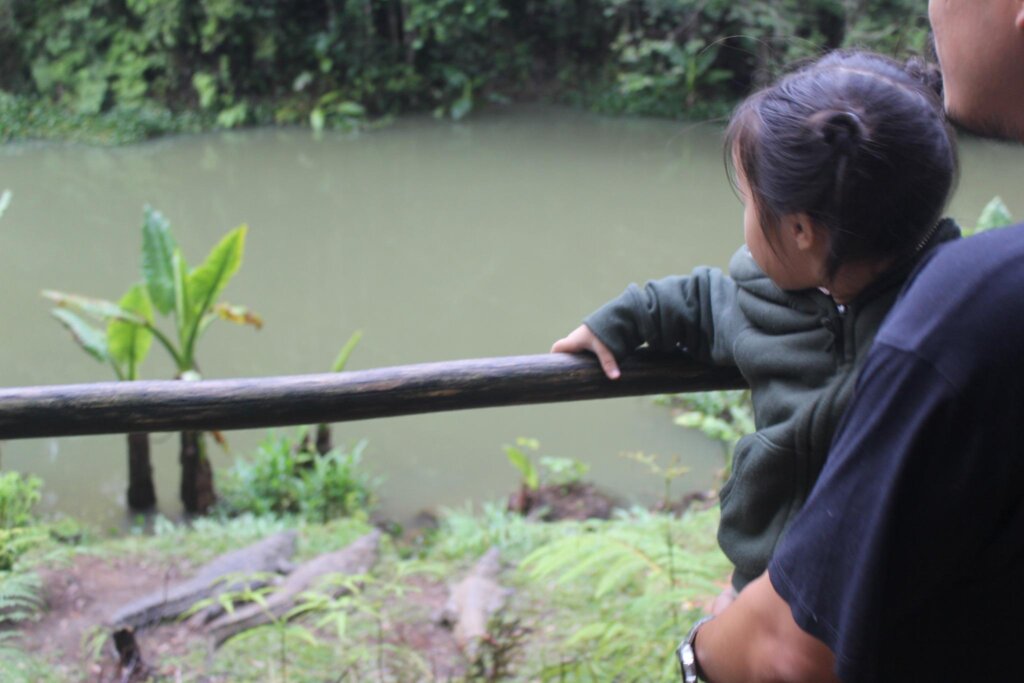
I pointed towards the swamp and asked, “Sweetie, this is a real swamp! And look, the crocodiles are here, just like in your song!”
At first, she was excited, but as we got closer, she suddenly gripped the railing tightly and whispered, “It’s a little scary…”
Crocodiles, Fossas, and a Shaky Bridge
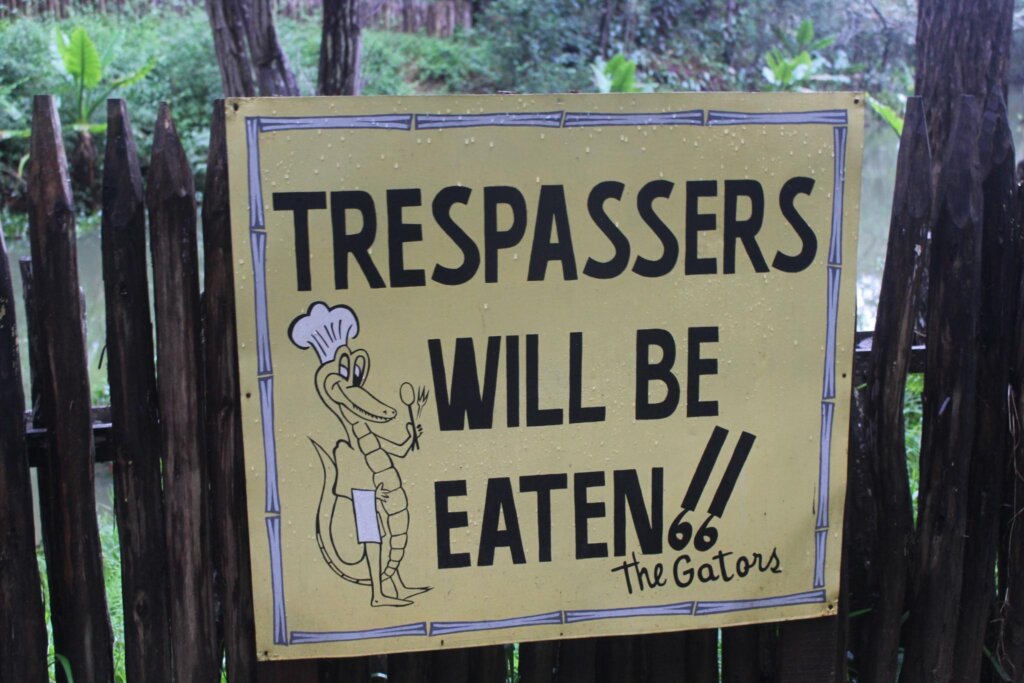
As we walked along the trail, we noticed several humorous warning signs posted around the habitat. The whole area was very well-maintained, making it feel more like a small zoo.
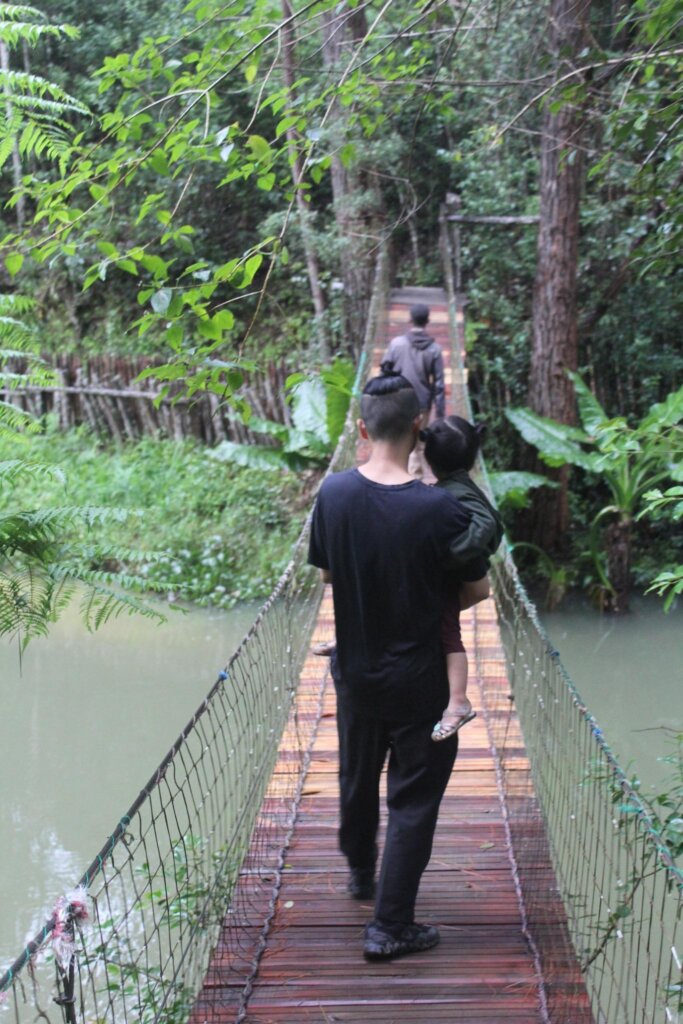
After passing the crocodile section, we came across a narrow, swaying bridge.
Sweetie, being cautious by nature, immediately grabbed onto me tightly. She was nervous about crossing, but after reassuring her that we were safe, we slowly made our way across.
A little further ahead, we saw baby crocodiles in a separate enclosure. Our guide explained that baby crocodiles have to be kept apart from the adults, or they would be eaten. It was a fascinating but slightly brutal fact.
Other Animal Encounters
Sweetie loves birds, so she was thrilled to see ducks and other small birds roaming around.
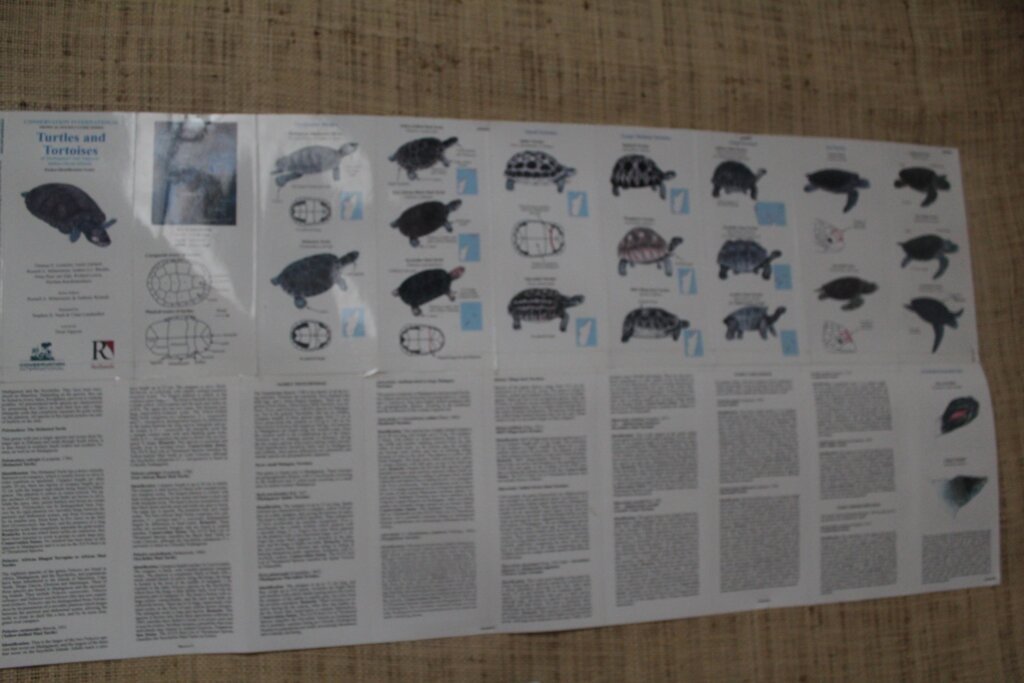
As we continued walking, we also saw turtles and fossas—the largest carnivorous predator in Madagascar. Though they looked somewhat like big cats, they had a wild and intense presence.
Exploring the Plants of Madagascar
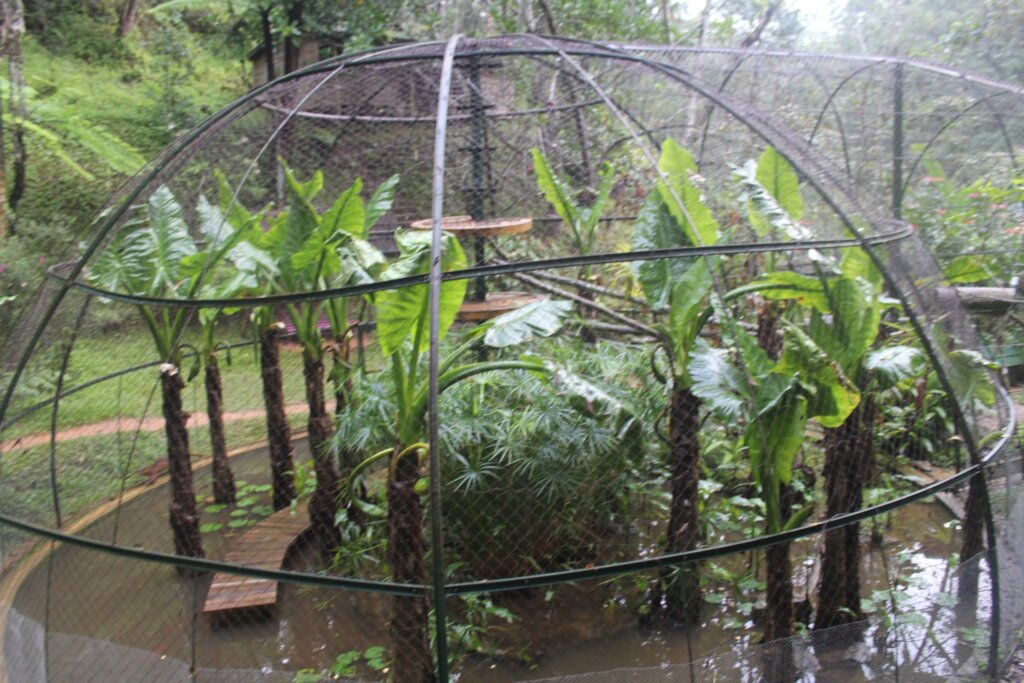
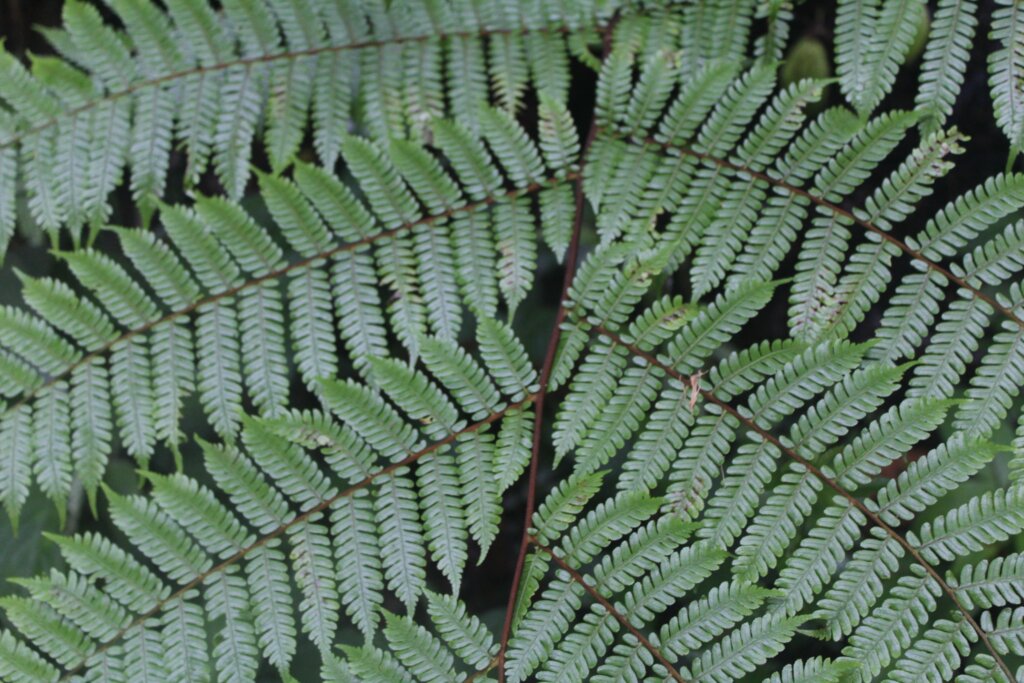
On our way out, we passed through a beautifully arranged botanical section, featuring native plants from Madagascar.
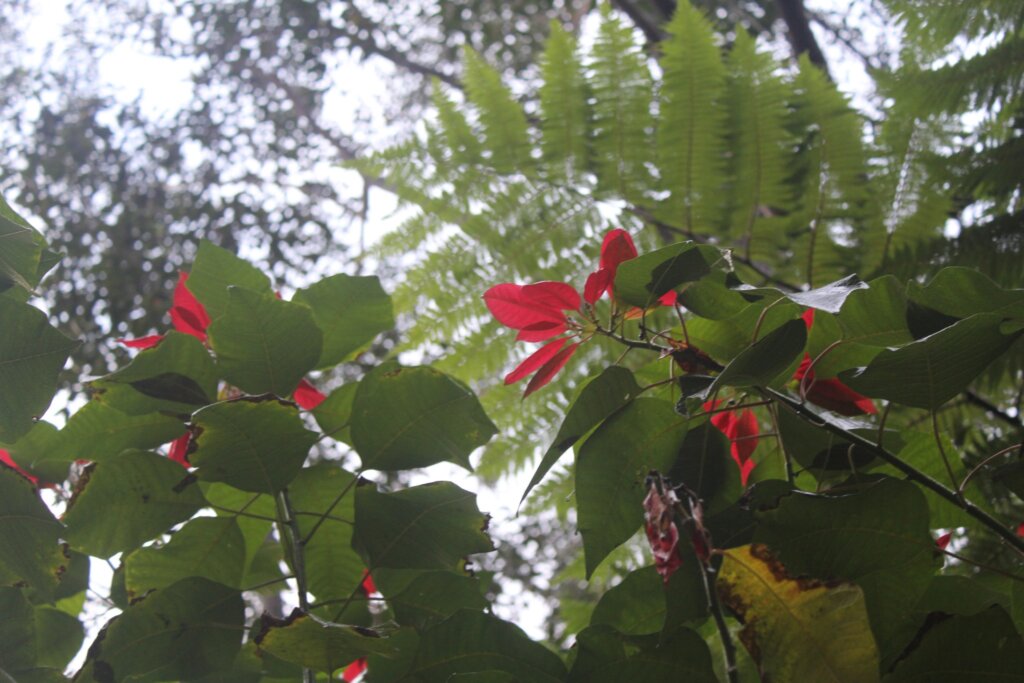
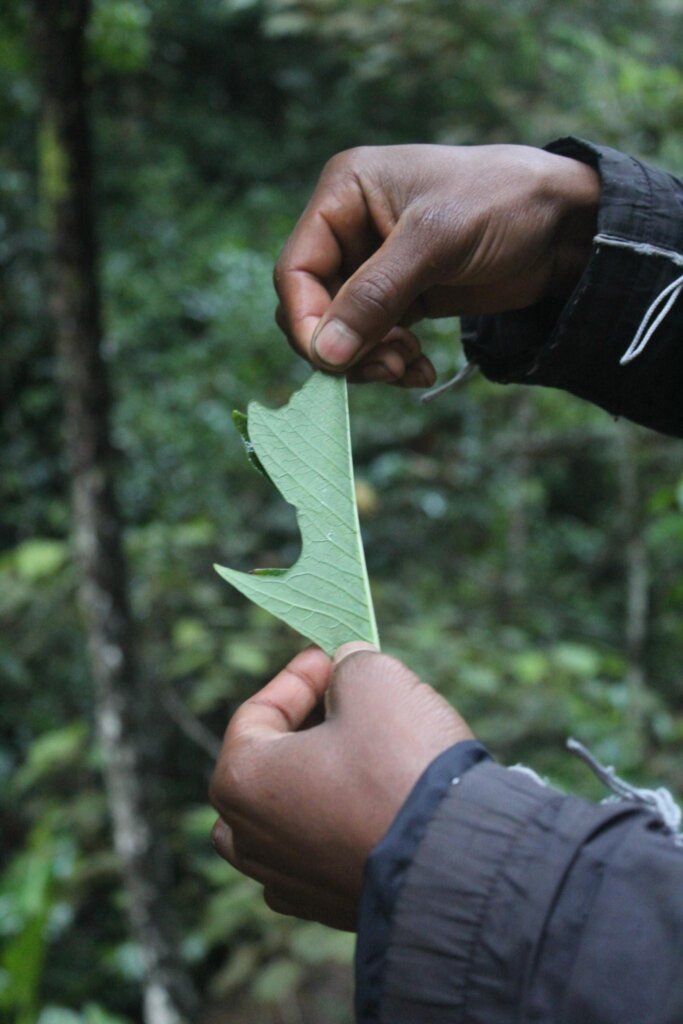
One plant immediately caught our attention—poinsettia. In Korea, we see poinsettias mainly during Christmas, but here, our guide introduced it as “Madagascar Poinsettia.”
He folded a leaf in half and pointed out how its shape resembled the island of Madagascar. Then, he explained that the red flowers, green leaves, and the white sap inside symbolize the three colors of the Madagascar flag. It was an interesting and thoughtful way to connect the plant to the country’s identity.
Since it had been raining lightly, the damp air and dense vegetation made the place feel like a true rainforest.
Learning About Vakona Trees
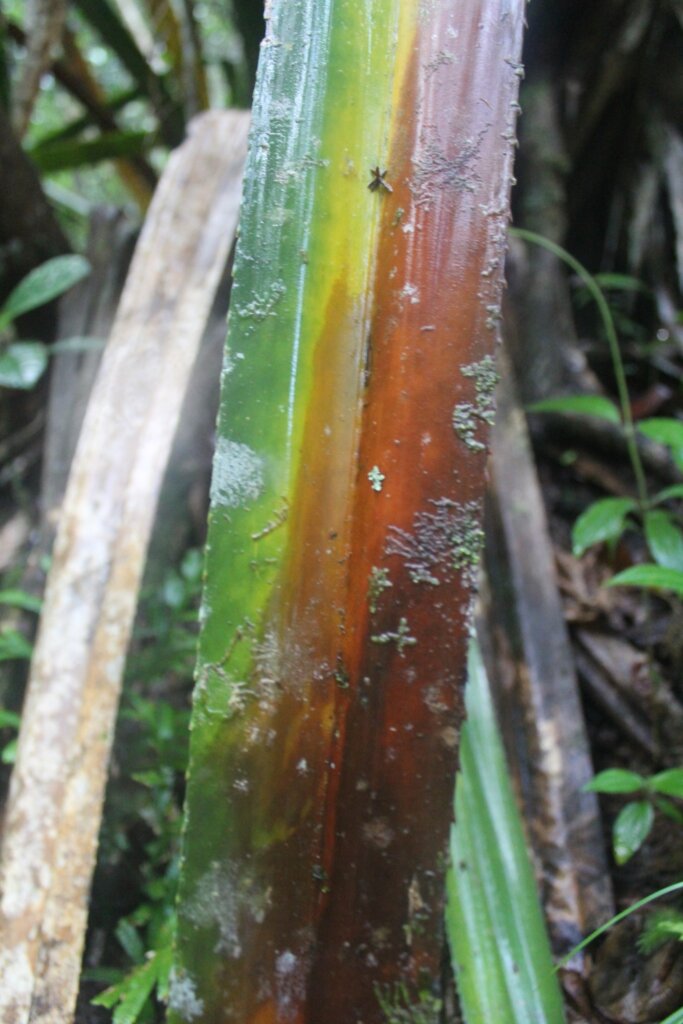
The forest itself is named after a tree—Vakona. Our guide explained that these trees were traditionally used for roofing and flooring in local homes, thanks to their broad, sturdy leaves.
Moss covered the ground everywhere, thriving in the humid environment. I’ve always loved moss, so I enjoyed taking a moment to appreciate its rich textures and colors.
Originally, we had only expected to see lemurs in Vakona Forest, but this second part of the tour turned out to be a wonderful bonus.
A Small Museum at the End of the Trail
Before leaving, we stopped by a small museum showcasing Madagascar’s wildlife and traditional culture.
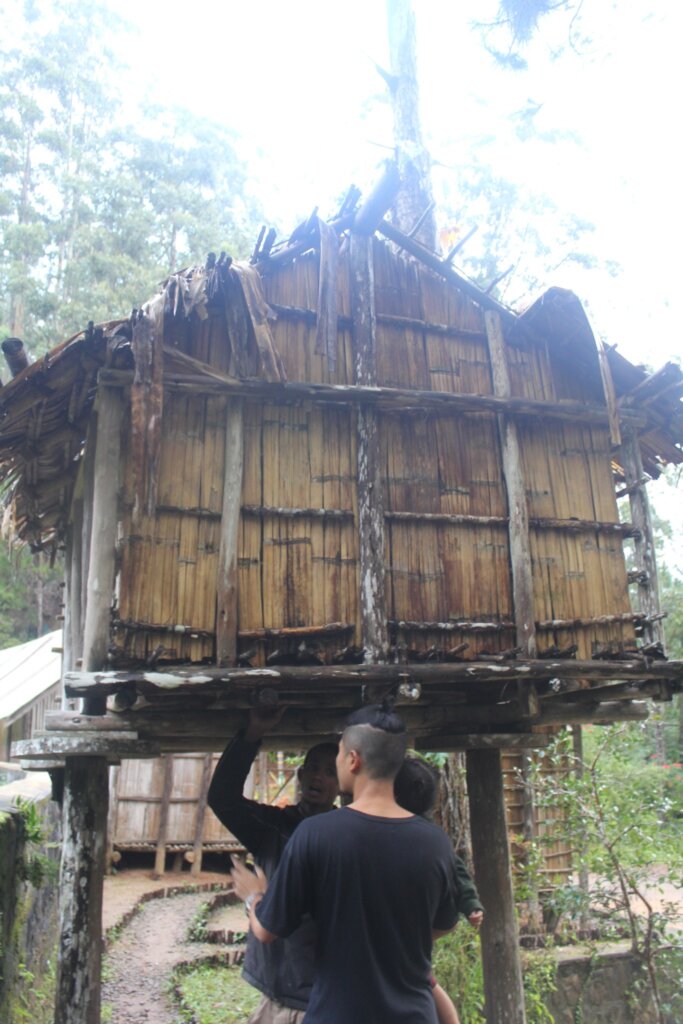
The building itself was a replica of a traditional food storage hut, used to store rice and vegetables. Its wooden pillars were designed to prevent rats from climbing up, a clever feature that made the structure unique.
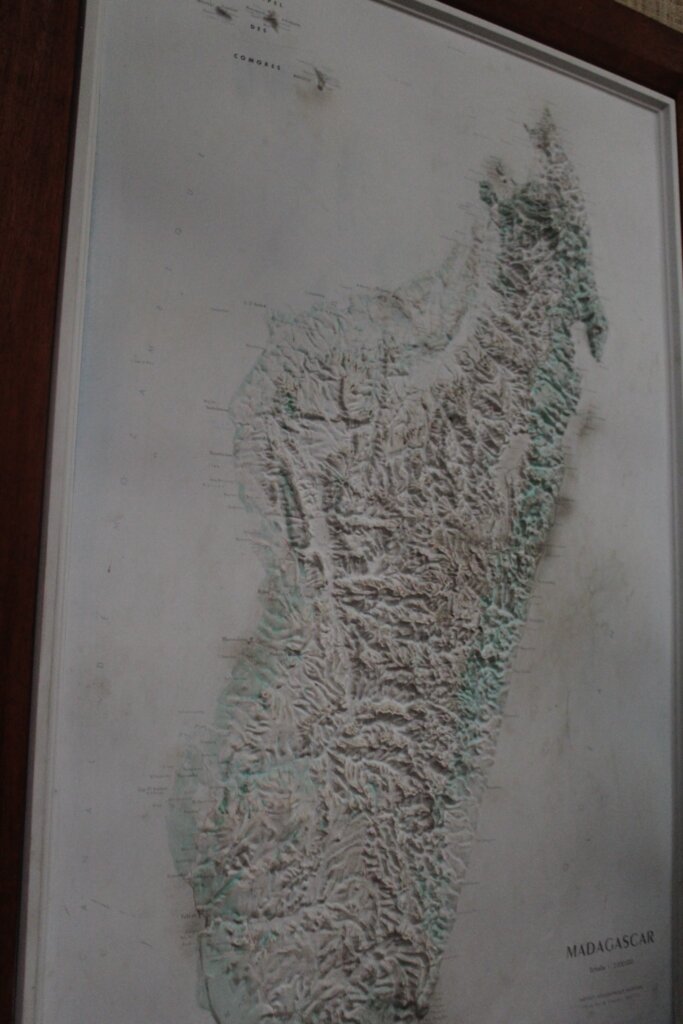
Inside, we found displays about Madagascar’s diverse plant life and a detailed model of the island’s geography.
One thing that surprised us was how many species of lemurs actually exist. We had only seen a few in person, but the museum listed dozens more we had never heard of.
Looking at the topographical map of Madagascar, I noticed how the island’s mountain ranges ran vertically along the eastern side, similar to Korea’s Taebaek Mountains.
The west side of Madagascar is mostly lowlands, while the central highlands include cities like Antananarivo and Antsirabe.
We had felt the altitude difference firsthand when we visited Antsirabe—it was unexpectedly cold there, even though the rest of the country was warm.
Even though the museum was small, it helped us better understand what we had seen during our travels.
Tips for Traveling with a Baby
- Let them sing! – If your child loves a song about an animal they’re about to see, don’t interrupt them. Let them finish singing on their own.
- Prepare for fear and excitement – Some animals, like lemurs, are fun to touch, but others, like crocodiles, might be intimidating for young kids. Be ready to reassure them.
- Hold hands on bridges – If your child is scared of narrow or wobbly bridges, let them hold onto you for confidence.
- Bring a raincoat – The forest can be humid and rainy, so waterproof clothing is useful.
- Take it slow – There’s a lot to see, and toddlers process things at their own pace. Let them explore at their own speed.
Local Travel Tips
- Best Tour Combination
If you’re visiting Andasibe, we recommend this itinerary:- Vakona Forest (lemur & crocodile encounters)
- Night Walking Tour (spot nocturnal animals)
- V.O.I Forest (observe semi-wild lemurs)
- Where to Stay
- Vakona Lodge – Convenient if you plan to visit Vakona Forest
- Andasibe Hotel – Comfortable and close to Andasibe National Park
- What to Wear
- Sturdy, waterproof shoes for muddy trails
- A light raincoat in case of showers
Travel Reflections
Vakona Forest was much more than just a lemur park. The second part of the tour introduced us to crocodiles, fossas, turtles, and even Madagascar’s unique plants.
Sweetie’s reaction to the crocodiles was unforgettable—going from excitement to fear to fascination. Moments like these make traveling with a baby so special.
The small museum at the end was a nice touch, helping us understand Madagascar’s geography and biodiversity in a new way.
Looking back, the Vakona Forest Tour was one of the most enjoyable parts of our Andasibe trip. If you ever visit this region, I highly recommend stopping by.



Leave a Reply